5 Myths About Brazil Travel Costs That Keep Tourists Away
5 Myths About Brazil Travel Costs That Keep Tourists Away
Planning a trip to Brazil? If you're sitting there thinking "that's going to drain my entire savings account," hold up—we need to talk. There's a lot of misinformation floating around about how much it actually costs to travel to Brazil, and honestly, it's keeping way too many people from experiencing one of the world's most incredible destinations.
I've talked to dozens of travelers who skipped Brazil because they believed some pretty wild myths about the price tag. The reality? Brazil is way more affordable than most people think, especially when you know where to look and how to plan smart. Let me break down the five biggest cost myths that are probably scaring you away right now.
Myth #1: You Need Thousands Just to Afford Flights

Here's what people assume: a ticket to Brazil costs like getting to Europe. Wrong. If you're flexible with your travel dates and book in advance, you can snag round-trip flights from major US cities to Rio, São Paulo, or Salvador for anywhere between $400-$700. During off-season months (September through November or April through May), prices drop even more dramatically.
The secret? Set up flight alerts three months before your planned trip. Airlines like LATAM, Gol, and Azul frequently run promotions, especially on routes between the US and Brazil. Flying mid-week is cheaper than weekends, and arriving in São Paulo instead of Rio can save you serious cash if you're flexible with your first destination.
Myth #2: Accommodation Is Crazy Expensive

This one kills me because Brazil actually offers incredible variety across all budget levels. Sure, you can drop $500+ per night on a beachfront luxury resort in Copacabana—but you absolutely don't have to.
Budget-Friendly Options
In most Brazilian cities, you're looking at:
- Hostels: $15-$30 per night in shared dorms
- Budget hotels: $30-$60 for basic private rooms with decent amenities
- Mid-range hotels: $60-$120 for comfortable rooms with breakfast included
- Airbnb apartments: $40-$100 per night depending on location
Places like Recife, Maceió, and smaller towns in Minas Gerais offer way better value than Rio or São Paulo. You'll get that authentic Brazilian experience without tourist-zone pricing. Plus, many budget accommodations include breakfast—that's a meal you're not paying for separately.
Myth #3: Food and Dining Will Break Your Budget
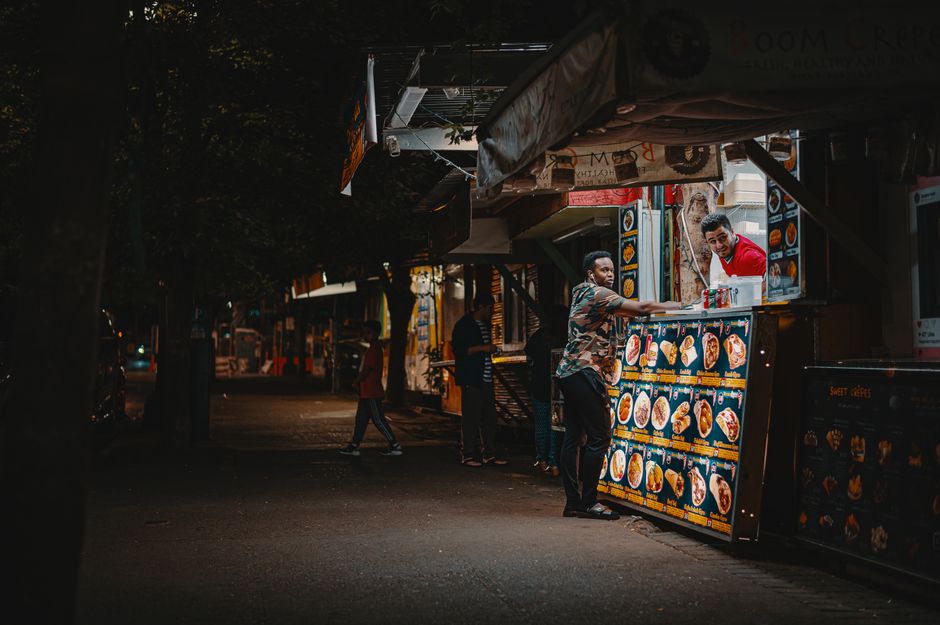
Okay, this one's actually hilarious because Brazil's street food culture is incredible AND dirt cheap. You can grab a pão de queijo (cheese bread) and a strong cafezinho (Brazilian coffee) for basically nothing. A plate of feijoada at a casual restaurant runs about $8-$12. Açai bowls, coxinhas, and fresh tropical fruit from street vendors? Expect to spend $2-$5.
Where Your Food Money Really Goes
- Street food and casual spots: $3-$8 per meal
- Mid-range restaurants: $10-$20 per person
- Fine dining: $30-$60+ (but you can skip this and eat amazing food for less)
- Groceries at supermarkets: Incredibly cheap if you self-cater
The jeito brasileiro (Brazilian way) of eating involves finding those hole-in-the-wall spots where locals eat. Those little neighborhood restaurants will serve you huge portions of homemade food for pocket change. Plus, if you're staying in an Airbnb, hitting up local markets and cooking some meals saves a fortune while giving you an authentic cultural immersion.
Myth #4: Activities and Attractions Are Tourist Traps
Sure, some attractions cater to tourists and charge accordingly. But Brazil's got free and cheap experiences that'll blow your mind. Many beaches are completely free. Hiking in the Atlantic Forest costs nothing. Watching sunset from viewpoints in Rio or Salvador? Free. Walking through historic neighborhoods in Salvador or Ouro Preto? Free.
Budget Activity Breakdown
- Beach access: Free for most public beaches
- City tours and favela tours: $15-$40 (ethical operators only)
- Iguazu Falls entry: $80 (once in a lifetime)
- Capoeira classes: $10-$20 per session
- Samba lessons: $15-$30
- Hiking and nature activities: $20-$50
- Coffee plantation tours: $30-$60
- Museum entries: $5-$15 (many free on Sundays)
The Pantanal and Amazon aren't budget activities, true—those multi-day adventures run $200-$400+ per day. But you don't have to do everything. You can experience incredible nature closer to major cities for way less, like hiking in the Serra da Canastra in Minas Gerais or exploring the beaches around São Paulo.
Myth #5: You'll Get Ripped Off and Hidden Fees Everywhere
This myth probably stems from outdated travel stories. Modern Brazil is actually pretty straightforward about pricing. Yes, use common sense—avoid unmarked taxis and fancy tourist restaurants in obviously touristy areas if you're budget-conscious. But hidden fees? Not really a thing if you're paying attention.
Smart Ways to Avoid Getting Overcharged
- Use Uber or 99Taxi instead of street hailing in major cities
- Ask for prices at casual restaurants (most don't have menus)
- Eat where locals eat, not in tourist-heavy neighborhoods
- Book tours through established operators with reviews
- Check your restaurant bill before paying—math errors happen
- Use ATMs in malls or banks, not street ATMs
Brazilian people are generally friendly and honest. The stereotype of constant tourist scams? Honestly outdated. Just use the same street smarts you'd use in any major city.
So, How Much Does It Actually Cost?
Let's do real math for a two-week trip for one person:
- Flights: $500
- Accommodation: $500-$700 (averaging $35-$50/night)
- Food: $280-$350 (eating like locals)
- Activities: $200-$300
- Local transport: $100-$150
- Miscellaneous: $100-$150
Total: $1,680-$2,150 for an incredible two-week Brazilian adventure. That's roughly $120-$150 per day, and you could easily do it for less if you're disciplined.
Compare that to Europe, Southeast Asia, or even parts of the US? Brazil is genuinely one of the best-value destinations out there.
The Real Factor: When You Go Matters
Timing affects everything. Travel during shoulder season (April-May or September-November) and you'll find better prices on flights and accommodations. Skip Carnival in Rio if budget is your concern—prices triple. But hit secondary cities during festival season, and you're golden.
Ready to Stop Overthinking and Start Planning?
Brazil is waiting for you, and it's way more affordable than you think. Stop letting these myths keep you from experiencing breathtaking landscapes, vibrant culture, incredible food, and genuine human connection. The Atlantic Forest won't hike itself, those caipirinhas aren't going to make themselves, and that beach sunset won't watch itself.
Start researching your dates, set those flight alerts, and build your Brazil itinerary. Whether you're an adventure seeker heading to the Amazon, a beach lover planning Northeast coast stops, a culture enthusiast exploring historic colonial cities, or a foodie ready to dive into Brazilian cuisine—there's a way to do it that fits your budget.
What part of Brazil are you most excited to explore? Drop a comment below and let's help you plan the trip that shatters these myths once and for all!
FAQ
How much does it cost to travel to Brazil compared to other South American countries?
Brazil is often cheaper than many people think, especially outside Rio de Janeiro and São Paulo. Accommodation, food, and transportation costs are very reasonable in smaller cities and regional areas, making it comparable or even less expensive than Argentina or Chile for budget-conscious travelers.
Is it true that you need to spend a fortune on flights to reach Brazil?
No, this is a common myth. Airfare to Brazil varies depending on your departure city and travel dates, but you can find competitive prices, especially if you book in advance or travel during shoulder seasons. Many major airlines offer reasonable fares, and once you're in Brazil, domestic flights are surprisingly affordable.
What is the average daily budget for travelers visiting Brazil?
Budget travelers can comfortably visit Brazil on $30-50 USD per day, covering basic accommodation, street food, and public transportation. Mid-range travelers typically spend $80-150 USD daily for better hotels and restaurants, while luxury travelers may spend $200+ USD per day for premium experiences and dining.
Are Brazilian beaches and natural attractions expensive to visit?
Most of Brazil's incredible natural attractions like beaches, waterfalls, and hiking trails are free or very low-cost to access. National parks charge minimal entrance fees, and you can enjoy world-class beaches without spending anything, making Brazil an excellent value destination for nature lovers.
How much does it really cost to experience Carnival and other festivals in Brazil?
While Carnival packages can be pricey if booked through tour operators, you can enjoy the festivities for free by attending street parties and parades. Budget options range from $100-500 USD for basic accommodations during the festival, though prices spike if you book premium seating or all-inclusive packages.


Comments
Post a Comment