Why Northeast Brazil's Underwater Treasures Beat Caribbean Diving Spots
Why Northeast Brazil's Underwater Treasures Beat Caribbean Diving Spots
Listen, if you're dreaming of strapping on a wetsuit and exploring some of the world's most incredible coral formations, you've probably been thinking about the usual suspects—Belize, the Bahamas, maybe the US Virgin Islands. But here's the thing: Northeast Brazil is sitting right there, offering some of the most jaw-dropping scuba diving experiences you'll find anywhere in the Atlantic, and honestly, it's criminally underrated among American travelers.
The Northeast coast—stretching across states like Bahia, Pernambuco, Rio Grande do Norte, and Ceará—is an underwater paradise that combines affordable pricing, warm tropical waters, pristine reef systems, and the distinctive jeito brasileiro (the Brazilian way) of making you feel welcomed and relaxed. Whether you're a seasoned diver or someone thinking about getting certified, these waters offer something genuinely special.
The Magic Behind Northeast Brazil's Diving Scene

So what makes diving in Northeast Brazil such a game-changer? The region benefits from consistent warm temperatures year-round, visibility that can reach up to 100+ feet during peak season, and—this is crucial—dramatically lower costs compared to Caribbean alternatives. You're looking at dive packages that are roughly 30-40% cheaper than similar experiences in the Caribbean, without sacrificing quality or safety standards.
The underwater ecosystem here is diverse and healthy. You'll encounter rainbow parrotfish, spotted eagle rays, massive sea turtles, and if you're lucky, nurse sharks and reef sharks that are totally accustomed to divers. The coral formations aren't just surviving; they're thriving, creating natural underwater galleries that photographers absolutely lose their minds over.
Top Scuba Diving Spots You Need to Experience
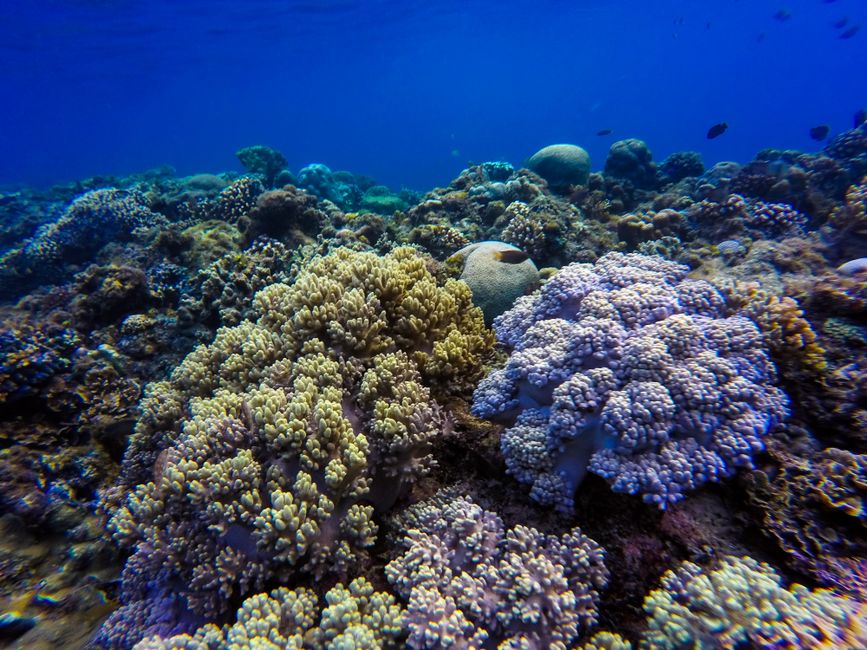
Fernando de Noronha: The Crown Jewel
If you're going to invest serious time in Northeast Brazil diving, Fernando de Noronha deserves your primary attention. This UNESCO World Heritage archipelago sits about 225 miles off the coast of Pernambuco and honestly feels like you've traveled to another world entirely. The diving here is world-class, with visibility often exceeding 80-100 feet and encounters with giant groupers, barracudas, and Caribbean reef sharks happening with surprising regularity.
The island's commitment to marine conservation means the reef systems here are exceptionally healthy. You'll dive sites like Baía dos Golfinhos (Dolphin Bay) where spinner dolphins are a daily occurrence, and Morro de São Paulo where dramatic underwater rock formations create natural swim-throughs and caverns. The main town has several dive operators, all well-equipped and staffed by English-speaking professionals.
Fair warning: Fernando de Noronha requires permit entry and has limited accommodation (booking ahead is essential), but the experience justifies the extra planning. Many divers say it's a bucket-list-worthy destination that rivals anywhere in the world.
Abrolhos Archipelago: The Underrated Champion
Located off the coast of Bahia, the Abrolhos Archipelago is absolutely magical and somehow remains less crowded than Fernando de Noronha. This is where you go if you want that off-the-beaten-path feeling without sacrificing quality. The reefs here are pristine, with depths ranging from 30 to 80 feet depending on your chosen site.
The signature experience at Abrolhos is diving among massive sea turtles—this is seriously one of the best places on Earth to encounter them in their natural habitat. Sites like Parcel das Paredes and Parcel do Timbeta offer outstanding biodiversity with everything from moray eels to octopuses hiding in reef crevices. Most visitors access Abrolhos via live-aboard dive boats departing from Caravelas or Alcobaça, which typically run three to five-day trips.
Maragogi: Accessibility Meets Adventure
If you want easier logistics without compromising on quality, Maragogi in Alagoas is your answer. This charming beach town has several dive shops right on the beach, making it incredibly convenient. The diving here focuses on natural pools and shallow reef systems that are perfect if you're bringing friends who aren't certified yet—they can snorkel while you dive, and everyone stays happy.
The sandy bottom reefs support smaller creatures like seahorses, pipefish, and countless colorful reef fish. Visibility typically runs 40-60 feet, which is absolutely respectable for casual diving. Plus, Maragogi has become something of a foodie destination in recent years, with excellent seafood restaurants and the kind of relaxed beach atmosphere that makes you want to stay longer than planned.
Recife and Olinda: History Meets Diving
Diving near Recife and Olinda offers something unique: you can combine underwater exploration with exploring one of Brazil's most historically rich regions. Olinda's 16th-century colonial architecture and cobblestone streets are absolutely stunning, and the diving sites nearby—particularly around the reefs south of the city—offer interesting encounters with shipwrecks and artificial reef structures that have become thriving ecosystems.
This area is ideal if you're interested in technical diving or wreck exploration. Local operators offer specialized wreck dives while maintaining full commitment to safety protocols. The added bonus? You're staying in a city with outstanding culture, capoeira performances, street art, and some of Brazil's best street food scenes.
Rio Grande do Norte's Hidden Gems
Pipa and nearby beach towns in Rio Grande do Norte offer solid diving opportunities that rarely appear on international diving radar. The reefs here are healthy, and you'll often have dive sites essentially to yourself. Visibility runs 50-70 feet on average, and encounters with spinner dolphins, sea turtles, and schooling tropical fish are common.
What's genuinely cool about diving in Rio Grande do Norte is the combination of beach culture and underwater adventure. By day you're exploring vibrant reef systems, and by night you're enjoying fresh ceviche, caipirinha cocktails (the national drink made with cachaça, lime, and sugar), and live music performances that capture the region's distinctive rhythmic culture.
When to Schedule Your Dive Trip

The best diving seasons vary slightly depending on which area you're targeting, but generally the dry season (roughly September to March) offers the best visibility and calmest conditions. That said, the Northeast maintains warm water temperatures year-round, ranging from 78°F to 84°F depending on the month.
Fernando de Noronha is best December through March, when water clarity peaks and marine life activity is highest. Abrolhos favors the same window but can be excellent through April. For accessibility and convenience, September through November and April through May offer excellent conditions with fewer crowds than peak season.
What to Bring and Practical Considerations
Since water temperatures stay consistently warm, a 3mm wetsuit is typically sufficient, though many divers opt for shorties for added sun protection. Bring underwater photography gear if you have it—the visibility and wildlife encounters demand documentation. Most dive operators rent equipment, but bringing your own ensures everything fits properly.
All major scuba certifications (PADI, SSI, etc.) are recognized throughout Northeast Brazil. If you're not certified, every dive shop offers Open Water certification courses that typically run three to four days and cost between $400-600 USD—excellent value. Dive guides are knowledgeable about local conditions, marine life behavior, and safety protocols.
One important note: the region is eco-conscious about diving tourism. Most dive operators have strict guidelines about not touching reefs, maintaining distance from wildlife, and following responsible diving practices. This isn't environmental preaching—it's practical sense. Healthy reefs mean better diving experiences for everyone visiting.
The Broader Northeast Experience Beyond Diving
Here's what makes diving in Northeast Brazil genuinely special compared to diving elsewhere: you're not just experiencing incredible underwater ecosystems. You're based in one of Brazil's most culturally vibrant regions.
Salvador offers colonial architecture, capoeira classes, and incredible Afro-Brazilian culture. Recife has street art scenes that rival any major city globally. The food scene throughout the region features fresh seafood prepared with indigenous ingredients and Portuguese influences—think moqueca (a coconut seafood stew) and pirarucu de água doce (another regional specialty). Local markets overflow with tropical fruits you've probably never seen: açai, cupuaçu, and guaraná alongside more familiar bananas and coconuts.
If your travel companions aren't divers, they won't be bored. Beach days, hiking to waterfalls, exploring colonial towns, taking capoeira classes, visiting local craft markets—the region offers enough activities to keep everyone in your group entertained while you spend time underwater.
Making the Practical Decision
Let's be honest: planning an international diving trip involves logistical decisions. Flights to Northeast Brazil from the US are typically cheaper than Caribbean alternatives, with major hubs like Recife and Salvador offering direct or one-stop connections from most American cities. Once there, accommodation ranges from budget-friendly pousadas (small inns) to luxury resorts, and everything in between is genuinely affordable by American standards.
A typical dive trip package—including accommodation, meals, and two daily dives—runs about $150-250 USD per day depending on location and season. Compare that to Caribbean destinations charging $300-500 for similar services, and the financial case becomes crystal clear.
Your Call to Action
If you've been dreaming about exceptional scuba diving without the typical Caribbean price tags, or if you want to combine underwater adventure with genuine cultural immersion and world-class food experiences, Northeast Brazil is calling your name. These aren't second-tier diving destinations—they're legitimate must-see spots that deserve placement alongside any diving hotspot globally.
Start researching dive operators in your chosen location, check current visa requirements for Americans traveling to Brazil, and get certified if you haven't already. The underwater treasures of Northeast Brazil—the thriving reefs, the marine life encounters, the crystalline waters—are waiting for you to explore them.
What's holding you back? Plan your Northeast Brazil diving adventure today and discover why this region is becoming the next unmissable destination for underwater exploration.
FAQ
What makes scuba diving spots in Northeast Brazil beaches superior to Caribbean destinations?
Northeast Brazil offers exceptional underwater treasures with vibrant coral reefs, unique marine biodiversity, and warm tropical waters year-round. Unlike many Caribbean spots, these diving locations feature pristine ecosystems with fewer tourists, making them ideal for experiencing authentic underwater adventures with healthier reef systems and abundant sea life.
Which specific Northeast Brazil beaches are considered the best scuba diving spots?
Popular scuba diving spots in Northeast Brazil include Fernando de Noronha, known for its crystal-clear waters and endemic fish species, Maragogi in Alagoas with its natural pools and coral formations, and the reefs near Jericoacoara in Ceará. These beaches consistently rank among the world's best diving destinations due to their pristine conditions and remarkable underwater landscapes.
How does the underwater biodiversity in Northeast Brazil compare to Caribbean diving spots?
Northeast Brazil's underwater treasures boast unique Atlantic marine species found nowhere else in the Caribbean, including endemic fish, sea turtles, and colorful coral gardens. The region's positioning in the South Atlantic creates distinct ecosystems with higher species diversity in many areas compared to traditional Caribbean destinations, offering divers more unique and memorable encounters.
What is the best time of year for scuba diving in Northeast Brazil beaches?
The optimal season for scuba diving spots in Northeast Brazil runs from September to March, when water visibility reaches 40-50 meters and weather conditions are most favorable. During this period, water temperatures remain warm between 26-28°C, making it more comfortable for extended diving sessions compared to many Caribbean locations during their hurricane season.
Are scuba diving spots in Northeast Brazil beaches more affordable than Caribbean alternatives?
Yes, scuba diving in Northeast Brazil beaches is generally more cost-effective than Caribbean destinations, with competitive pricing for dive certifications, equipment rentals, and guided tours. Additionally, accommodation and meals in Northeast Brazil coastal towns are often less expensive, making it an excellent value destination for divers seeking world-class underwater experiences without breaking the bank.


Comments
Post a Comment