5 Myths About Southern Brazil's Wine Regions You Need to Stop Believing
Look, I get it. When you think about wine and Brazil in the same sentence, your mind probably jumps straight to sugarcane fields and cachaça distilleries. But here's the thing—southern Brazil has been quietly building one of South America's most impressive wine scenes, and most travelers have absolutely no idea what they're missing.
The problem? There's a ton of misinformation floating around about Brazilian wine country. People show up with completely wrong expectations, miss incredible experiences, or skip the region entirely because they've bought into some pretty stubborn myths. I've seen it happen too many times, and honestly, it's a shame because the wine regions in Rio Grande do Sul, Santa Catarina, and Paraná are absolutely world-class destinations that deserve way more attention than they get.
So let's set the record straight. I'm breaking down five of the biggest myths about southern Brazil's wine regions—the kind of myths that might be keeping you from planning your next amazing trip.
Myth #1: Brazilian Wine Is Inferior to Argentine Wine
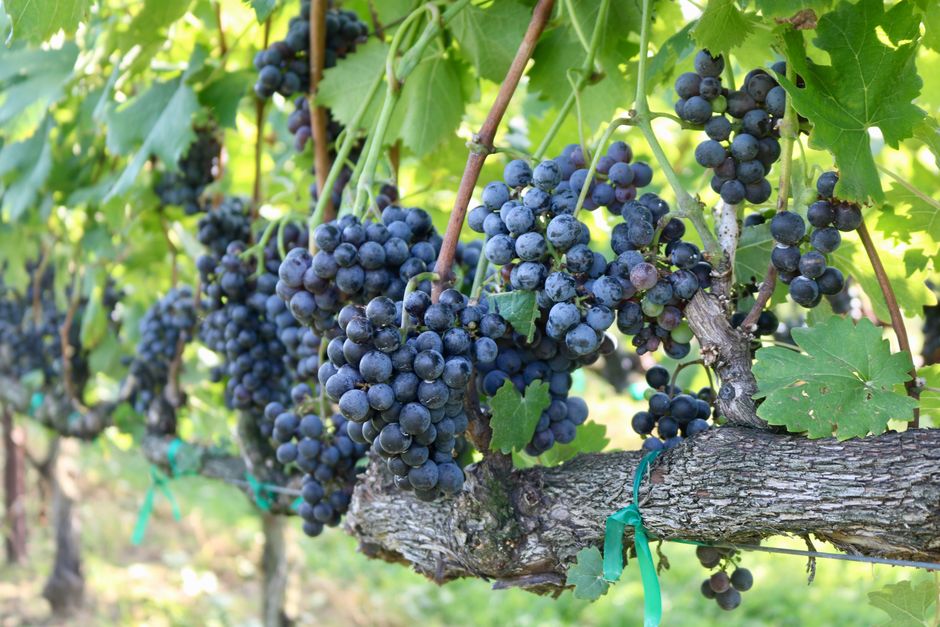
This one drives local winemakers crazy, and honestly, it's totally unfair. For decades, Argentina dominated South American wine conversations, and somehow that overshadowed everything happening across the border in Brazil. But here's the reality: Brazilian wines, especially those from the southern regions, are legitimately competing on the global stage.
The Vale dos Vinhedos in Rio Grande do Sul, the Campanha region, and the emerging producers in Santa Catarina are producing stunning Merlots, Cabernet Sauvignons, and Sparkling wines that rival anything you'll find in Mendoza or Salta. The terroir is different—it's cooler, more humid, and the climate creates these amazing flavor profiles that are distinctly Brazilian. You're not getting the same wine as Argentina; you're getting something unique.
What really matters is that these wines are improving every single year. The investment in technology, the expertise of the winemakers, and the passion these folks bring to their craft is absolutely real. If you've dismissed Brazilian wine based on something you drank ten years ago, you're doing yourself a massive disservice.
Myth #2: Wine Tourism in Southern Brazil Is Only for Wine Experts

This myth probably keeps more people away than anything else. People think, "Well, I don't know the difference between a Bordeaux blend and a Pinot Noir, so I'll just skip it." Stop right there. Wine tourism in southern Brazil isn't some exclusive club where you need a sommelier's degree to belong.
The wineries in regions like Bento Gonçalves and Garibaldi are genuinely welcoming to everyone. You'll find tour guides who speak English, experiences designed for complete beginners, and vineyard owners who are thrilled to share their passion with curious travelers. The jeito brasileiro—that characteristically Brazilian way of doing things—means hospitality is built into the experience.
Most tastings include food pairings, beautiful vineyard walks, and plenty of time to just enjoy the landscape. You're not getting quizzed. Nobody's judging your palate. You're literally just hanging out in one of the most beautiful parts of Brazil, sipping wine, eating local cheese, and learning something new. That's it. That's the whole experience, and it's absolutely accessible to everyone.
Myth #3: The Wine Region Is Only Worth Visiting During Harvest Season

Sure, harvest season (February through April) is exciting, and there's definitely energy in the air. But limiting your visit to just those months means you're missing out on what makes these regions special year-round.
Think about it this way: the southern Brazilian wine region has genuine seasons. In winter (June-August), you get crisp weather, fewer crowds, and this peaceful, contemplative vibe that's perfect for vineyard walks and wine tastings without feeling like you're at a theme park. Spring and early summer bring wildflowers and that breathtaking landscape that makes for incredible photography. Even the quieter months have their own charm.
Plus, visiting during shoulder seasons (September-November or May) means you get better prices on accommodations and wine tours, shorter wait times at the most popular wineries, and more one-on-one time with the winemakers themselves. The wines aren't going anywhere—they're delicious whether it's harvest time or not.
Myth #4: You Need a Car to Experience Wine Country Properly
Okay, this one's partially true—having your own wheels gives you flexibility. But it absolutely shouldn't stop you from visiting if you don't drive. The infrastructure in wine regions like Vale dos Vinhedos and Bento Gonçalves has actually developed specifically to accommodate tourists without cars.
There are organized wine tour operators who'll handle transportation, pick you up from your hotel, and get you safely to multiple wineries in a single day. Many accommodations are located in charming town centers where you can walk to restaurants, markets, and local shops. There are even wine-focused hostels and guesthouses that cater specifically to backpackers and budget travelers who don't have rental cars.
Yes, renting a car gives you independence, and if you're comfortable driving, I'd recommend it. But the fear of being without a vehicle shouldn't keep you away. The tourist infrastructure in southern Brazil's wine country is actually pretty solid for the independent traveler.
Myth #5: Wine Country in Southern Brazil Is Expensive and Exclusive
This is the biggest financial myth, and it needs to die. Somehow people have gotten it into their heads that wine tourism is automatically luxury territory, reserved for people with bottomless wallets. That's genuinely not the case here.
Yes, you can spend money on five-star wine estates and gourmet dining experiences—those absolutely exist and they're amazing. But you can also do wine country on a much more modest budget. Many family-owned wineries charge minimal tasting fees (often waived if you buy a bottle), and local wines are incredibly affordable compared to what you'd pay for similar quality in the US, Canada, or Europe.
Accommodation ranges from budget guesthouses to mid-range boutique hotels to luxury resorts. Food in the region is genuinely inexpensive if you eat where locals eat—at neighborhood restaurants, markets, and family-run establishments rather than tourist-targeted venues. You can absolutely experience southern Brazilian wine country without breaking the bank.
I've seen travelers spend less in a week in Bento Gonçalves than they would in a long weekend anywhere else. Wine tasting, accommodation, meals, and local activities all combined can fit into a very reasonable budget if you're thoughtful about it.
The Real Experience Waiting for You
Here's what happens when you actually visit southern Brazil's wine regions without these myths clouding your expectations: you discover a place that's genuinely special. You taste incredible wines produced by passionate people who care deeply about their craft. You eat amazing food—local cheeses, fresh vegetables, hearty regional dishes—in settings that range from rustic to refined. You meet other travelers from around the world who came with open minds and found something they weren't even looking for.
The landscape is stunning. The people are warm and welcoming. The wine is delicious. And the whole experience is way more accessible and affordable than you probably thought.
Southern Brazil deserves a spot on your travel list, right alongside the beaches, the Amazon, and the big-name attractions. Don't let myths keep you away from something genuinely wonderful. Your next great adventure might just be a glass of wine away.
Ready to explore southern Brazil's wine country? Start researching flights to Porto Alegre or the smaller regional airports, check out winery websites directly, and read reviews from other travelers on tourism forums. The wine regions are waiting—and they're probably way better than you think.
FAQ
What is the biggest myth about Southern Brazil's wine regions?
The biggest myth is that Southern Brazil can only produce cheap, low-quality wines. In reality, the best wine regions to visit in southern Brazil, particularly in Rio Grande do Sul, produce world-class wines that compete internationally with prestigious European vineyards. Many wineries in the Serra Geral and Vale dos Vinhedos regions have won international awards and recognition. These regions have ideal climate conditions and soil composition for producing exceptional wines.
Is it true that all Southern Brazilian wines are produced from imported grape varieties?
No, this is a common misconception about the best wine regions to visit in southern Brazil. While they do use some international varieties like Cabernet Sauvignon and Chardonnay, many producers have successfully cultivated native and hybrid grapes that thrive in the local climate. This combination of imported and locally-adapted varieties has created a unique winemaking identity for the region. The diversity of grapes grown actually enhances the distinctiveness of Southern Brazilian wines.
Do Southern Brazilian wine regions only focus on red wines?
This is false; the best wine regions to visit in southern Brazil produce exceptional white wines, sparkling wines, and rosés alongside their renowned reds. The cooler climate of regions like Bento Gonçalves is particularly suited for producing high-quality white wines and Champagne-style sparkling wines. Many visitors are surprised by the quality and variety of wines available when they explore these diverse regions. The versatility of Southern Brazilian wineries demonstrates their sophisticated winemaking capabilities.
Is it necessary to visit expensive, large wineries in Southern Brazil?
Absolutely not; some of the best wine regions to visit in southern Brazil include small, family-owned wineries that offer authentic and personalized experiences. These boutique producers often provide more intimate tastings and direct interaction with winemakers compared to large commercial operations. Many visitors find that smaller wineries offer better value and more memorable experiences. Both large and small wineries contribute significantly to the quality and character of Southern Brazil's wine culture.
Can you only visit Southern Brazil's wine regions during harvest season?
This is a myth; the best wine regions to visit in southern Brazil are accessible and enjoyable year-round, each season offering different attractions. Spring and summer provide pleasant weather for vineyard tours, while autumn showcases the harvest season with its vibrant colors and harvesting activities. Winter visitors can enjoy wine tastings and indoor experiences with fewer crowds. The region's wine tourism infrastructure operates throughout the year, making it possible to plan a memorable visit any time you want.


Comments
Post a Comment