São Paulo's Hidden Food Markets: Where Locals Really Eat 2026
There's something electric about wandering through a São Paulo food market before sunrise, watching vendors arrange their displays while the city's energy begins to pulse. If you've been following the typical tourist trail—the fancy restaurants, the shopping malls, the Instagram-worthy açai bowls—you're missing the real heartbeat of Brazil's largest city. Street food and local markets in São Paulo aren't just where people grab a quick bite; they're where culture, history, and flavor collide in ways that no five-star establishment can replicate. This is where the jeito brasileiro, that characteristic Brazilian way of doing things with warmth and authenticity, truly comes alive.
Whether you're a seasoned traveler who loves diving deep into local food scenes or someone visiting Brazil for the first time, understanding São Paulo's markets will transform your entire trip. You'll eat better, spend less, and experience the city through the eyes of actual Paulistas—not through a hotel concierge's curated list.
The Soul of São Paulo: Why Markets Matter More Than Restaurants
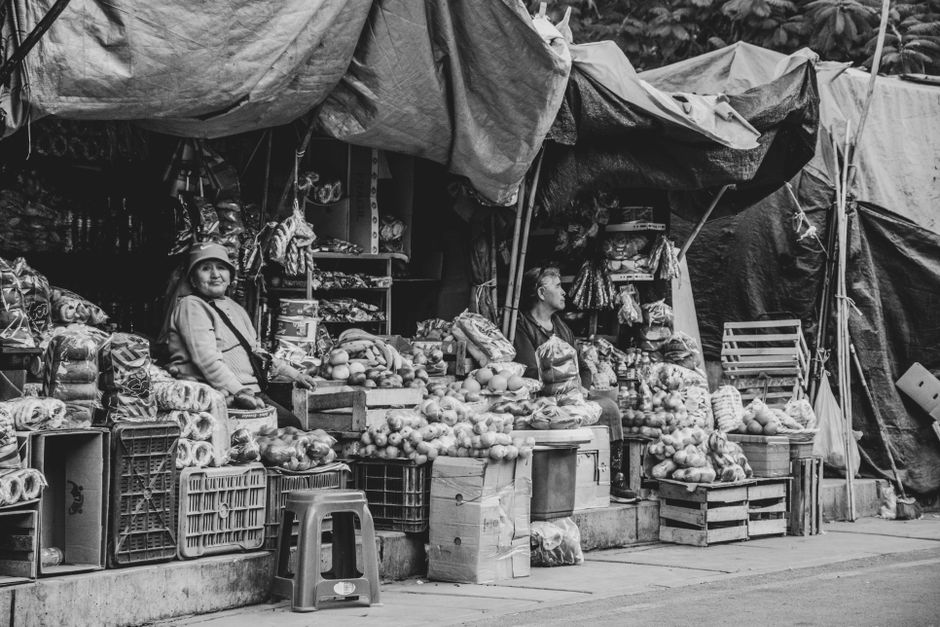
São Paulo isn't Rio. It doesn't have the beaches, the Carnival pageantry, or the dramatic mountain backdrop. What it has is something different—a raw, unfiltered urban energy and a food culture that's genuinely world-class. The city is home to over 12 million people from virtually every corner of the globe, and this diversity shows up first and foremost in the markets.
When you eat at a fancy restaurant, you're experiencing someone's interpretation of Brazilian food. When you eat at a market, you're experiencing how Brazilians actually feed themselves, their families, and their friends. The difference is profound. Markets are where third-generation immigrants still make their grandmother's recipes. They're where street vendors perfect a single dish over decades. They're where price points reflect actual ingredients and labor, not rent and white tablecloths.
Plus, let's be honest—some of the best food experiences happen when you're standing shoulder-to-shoulder with strangers, eating something hot and delicious that costs the equivalent of a couple of American dollars.
Mercado da Lapa: The Bohemian Heart
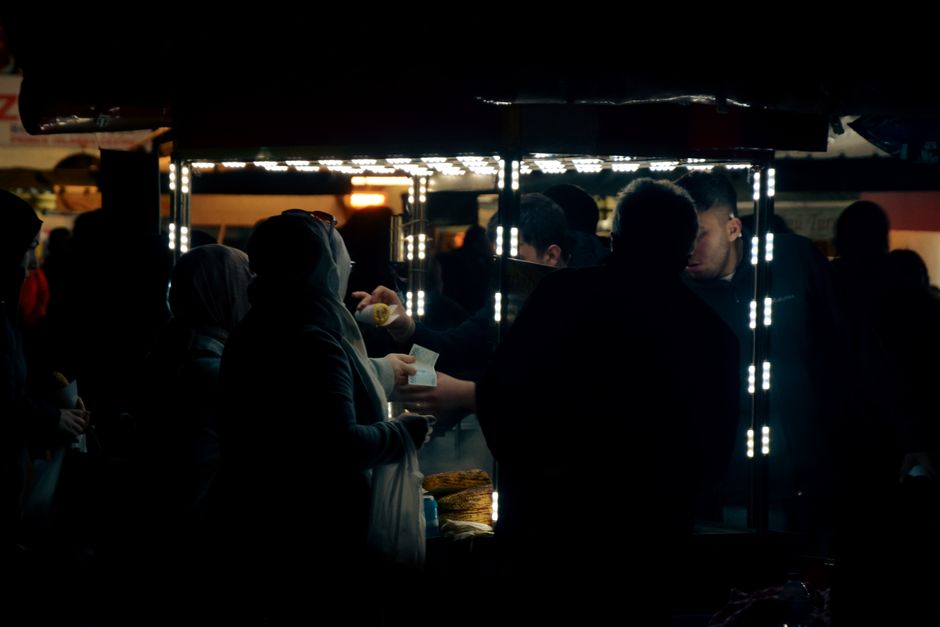
What to Expect When You Arrive
Located in the vibrant Lapa neighborhood—a district famous for its cultural immersion opportunities and street art—Mercado da Lapa feels like stepping into a different era. The market occupies a historic building with soaring ceilings and a layout that seems designed for wandering and discovery. On weekends, it's packed with locals shopping for the week ahead, artists setting up displays, and food vendors working their magic from tiny stalls.
Must-Try Stalls and What to Order
Head straight to the juice stand and order a vitamin—this isn't a vitamin in the supplement sense, but rather a thick, creamy blend of fruit, milk, and sometimes oats or guaraná. The açai bowls you've heard about? They started here, in places like this, not in some beachside resort. Get one topped with granola, fresh fruit, and honey.
For something more substantial, find the stall making pastéis—crispy fried pastries filled with cheese, meat, or palm heart. Grab a few and stand where the locals stand, eating them while hot with a cold beer or soft drink. The texture contrast between the crispy exterior and the molten filling is everything.
Don't miss the coxinhas either. These are chicken croquettes shaped like teardrops, fried until golden, and served with hot sauce. They're the kind of thing that takes two minutes to eat and stays in your memory for years.
Mercado Municipal: São Paulo's Most Iconic Food Destination
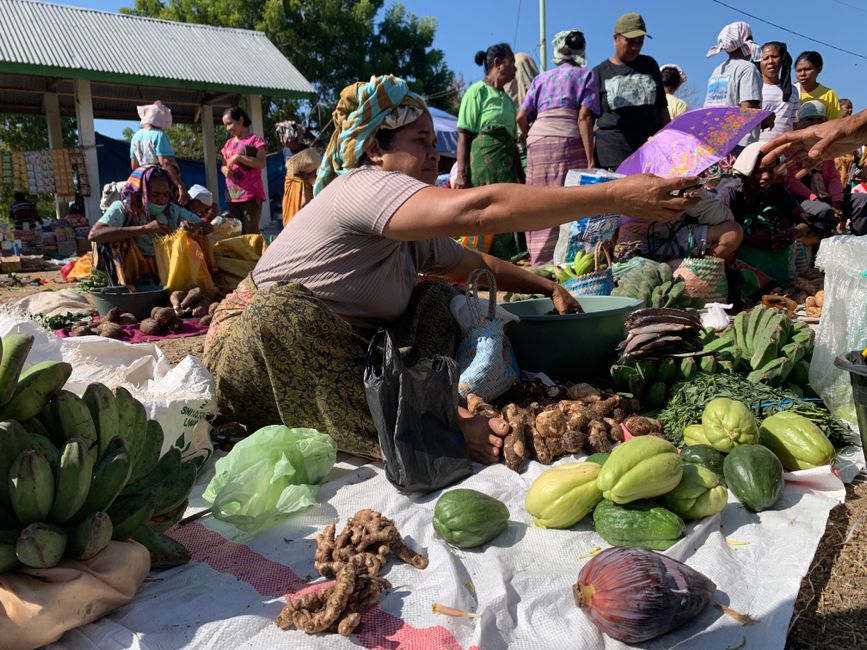
The Legendary Misto Quente Experience
If there's one market that defines São Paulo food culture, it's the Mercado Municipal. Built in the 1930s, this Art Deco masterpiece is an absolute must-see destination for anyone serious about local food. The market operates daily, but the real energy happens in the morning and early afternoon when the place buzzes with serious shoppers, chefs, and street food enthusiasts.
The star here is undoubtedly the misto quente—a toasted sandwich of ham and melted cheese that sounds simple until you taste a properly made version. The ones at Mercado Municipal are legendary for a reason: they use quality ham, real cheese, perfectly buttered bread, and toast everything on a traditional press until the bread is crispy on the outside and warm throughout. Pair it with a fresh orange juice (the market has multiple juice vendors) and you've got a breakfast that costs under five dollars and rivals anything you'll have in the city.
Exploring Beyond the Famous Sandwich
The market has dozens of vendors selling everything from fresh produce to specialty ingredients. There are fishmongers, butchers, and pasta makers. There are stalls serving caldo de cana—fresh sugarcane juice that's sweet, refreshing, and unique to Brazilian street food culture. Some vendors sell broinhas de chuva (little rain cakes), a traditional snack that's crispy on the outside and soft within, perfect with coffee.
Spend time walking the upper level where specialty shops sell everything from imported spices to ready-made Brazilian delicacies. You'll see how serious São Paulo is about its food—this isn't a tourist attraction pretending to be a market; it's an actual working market where the city sources ingredients.
Feira da Saúde: The Organic and Alternative Market
Where Health-Conscious Paulistas Shop
Located in the Vila Madalena neighborhood, Feira da Saúde represents a different side of São Paulo's food culture—one that's increasingly focused on sustainability and wellness. This weekly market (Sundays) features organic producers, small-scale farmers, and artisanal food makers.
You'll find vendors selling organic vegetables, freshly made nut butters, homemade granolas, and fermented foods. There are also prepared food stalls offering healthy options—açai bowls made with açai that's actually from the Amazon, not some imported powder; Buddha bowls with quinoa and roasted vegetables; and cold-pressed juices.
Why This Market Matters
Feira da Saúde shows that São Paulo's street food and local markets scene isn't stuck in the past. The city is evolving, with younger vendors and consumers pushing toward more sustainable, health-conscious options while maintaining that authentic, neighborhood feel. It's a great place to see where Brazilian food culture is heading.
Rua 25 de Março: Chaos, Energy, and Incredible Eats
Technically not a traditional market, but rather a bustling street in the historic center, Rua 25 de Março is an essential experience for anyone wanting to understand São Paulo's working-class food culture. This is where the city's Arab, Jewish, and Portuguese communities have left their marks on the food landscape.
Street vendors line the sidewalks selling everything from quibe (Lebanese kibbeh) to bolinhas de queijo (cheese balls) to fresh caldo de cana. The chaos is part of the charm—navigating through crowds, browsing through stalls, and discovering something delicious you didn't know you were looking for.
Pro Tips for Market Success
Timing Your Visit
Go early morning if you want the freshest ingredients and the most authentic market atmosphere. Most São Paulo markets are busiest between 7 AM and noon. If you go in the evening, prices often drop as vendors try to clear inventory.
Cash is King
While many vendors now accept cards, having Brazilian reals in cash makes transactions faster and sometimes gets you better prices. ATMs are usually near major markets.
Come Hungry, Leave Happy
Don't plan to buy groceries and skip the food stalls. The whole point is to experience markets as a food destination. Eat first, shop second. Your stomach will thank you.
Learn a Few Phrases
Brazilians appreciate when visitors try Portuguese, even if just a little. "Quanto custa?" (How much does it cost?) and "Obrigado" (Thank you) go a long way in making your market experience warmer and more genuine.
Beyond the Markets: Street Food Culture in São Paulo Neighborhoods
While markets are essential, São Paulo's street food culture extends far beyond organized market spaces. In neighborhoods like Bom Retiro, Bixiga, and Consolação, you'll find vendors selling everything from tapioca to pão de queijo to acarajé. Each neighborhood has its own food personality, shaped by immigrant communities and local traditions.
The best approach is to pick a neighborhood, pick a direction, and walk. Stop when something smells amazing. Talk to vendors about what they're making. This kind of spontaneous cultural immersion is what makes São Paulo genuinely special.
The Bigger Picture: Street Food as Cultural Expression
Street food and local markets in São Paulo aren't just about eating well on a budget, though they excel at that. They're about understanding how a city of millions feeds itself, celebrates together, and maintains cultural identity in a rapidly changing world. Markets are where traditions survive. They're where recipes passed down through generations stay alive. They're where people from different backgrounds literally break bread together.
When you choose to eat at a market stall instead of a restaurant, you're making a statement. You're saying yes to authenticity, yes to local economies, and yes to experiences that can't be replicated anywhere else in the world.
Planning Your São Paulo Food Market Adventure
If you're traveling to Brazil and planning to spend time in São Paulo, dedicate at least two full days to exploring markets. This isn't rushing—it's how long you need to properly experience even just the major ones. Pair market visits with neighborhood walks, and you've got a São Paulo experience that most tourists never get.
Bring comfortable walking shoes, an appetite for adventure, and an open mind. São Paulo's markets aren't Instagram-perfect or highly polished, and that's exactly what makes them perfect.
Your Next Step
The next time someone tells you Brazil is all beaches and rainforests, smile knowingly. You'll understand there's so much more—especially in a city like São Paulo where street food and local markets reveal the true soul of Brazilian culture. Start with Mercado Municipal, grab a misto quente, and let the city's energy take you from there. Your taste buds—and your sense of adventure—will be forever changed.
Have you explored São Paulo's markets? Share your favorite discoveries in the comments below, and don't forget to bookmark this guide for your next trip to Brazil!
FAQ
What are the best hidden food markets in São Paulo where locals actually eat?
Some of the most authentic local markets include Pça. da República, which features vendors selling traditional Brazilian street food, and the Mercado da Lapa, known for its fresh produce and local prepared dishes. The SAARA district offers countless food stalls serving coxinhas, pastel, and regional specialties that have been family-owned for decades. These markets are where you'll find genuine São Paulo cuisine away from tourist areas.
What types of street food can I find in São Paulo's local markets?
São Paulo's street food scene offers classics like pastel (crispy pastry pockets), coxinha (fried chicken croquette), acarajé (black-eyed pea fritters), and pão de queijo (cheese bread). You'll also find tapioca crepes, grilled cheese on a stick (queijo na brasa), and fresh açai bowls throughout the markets. Regional specialties like vatapá and caldo de cana (sugarcane juice) are also popular choices among locals.
Why should visitors explore local food markets instead of restaurants in São Paulo?
Local food markets offer authentic, affordable dining experiences where you can taste genuine São Paulo cuisine prepared by traditional vendors who've perfected their recipes over generations. Prices are significantly lower than restaurants, typically costing a few reais per item, making it budget-friendly for tourists. You'll also get to interact with locals, observe real Brazilian food culture, and discover hidden culinary gems that don't appear in guidebooks.
What's the best time to visit São Paulo's hidden food markets?
Early morning (7am-10am) is ideal for visiting markets when they're freshest and least crowded, offering the best selection of prepared foods and ingredients. Weekends, particularly Saturday mornings, bring more locals and a festive atmosphere with extended vendor hours and special offerings. Avoid peak lunch hours (12pm-2pm) unless you enjoy crowds, as popular stalls can have long lines.
How can I safely navigate and enjoy street food in São Paulo's local markets?
Look for busy stalls with high turnover, as this indicates fresh food and popular items among locals—your best guarantee of quality and safety. Always watch vendors prepare your food and choose items cooked to order rather than sitting out. Start with well-known classics like coxinha or pastel, bring cash (small vendors may not accept cards), and don't hesitate to ask locals for recommendations on their favorite stalls.


Comments
Post a Comment