Which Northern Brazil Historical Cities Deserve Your Next Trip?
When most people think about historical destinations in Brazil, their minds typically jump to Rio's iconic landmarks or São Paulo's bustling streets. But here's the thing—the real treasure chest of colonial history and cultural richness is tucked away in Northern Brazil, waiting for travelers who want to skip the crowds and dive deep into authentic Brazilian heritage.
The Northern region, particularly the states of Pará, Maranhão, and Amazonas, hosts some of the country's most underrated historical cities. These aren't just places to check off a list; they're living museums where centuries-old architecture meets vibrant contemporary culture, where street vendors sell tropical fruits you've never heard of, and where every corner tells a story of Portuguese conquistadors, indigenous peoples, African heritage, and colonial trade routes that shaped the nation.
If you're planning a trip to Brazil in 2026 and you're tired of the same old itineraries, let me walk you through the historical gems of Northern Brazil that absolutely deserve your attention.
Belém: The Gateway to the Amazon's Past

Starting with Belém, the capital of Pará state and the most accessible northern historical city for most travelers. This city sits right where the Amazon River meets the Atlantic Ocean, and that strategic location made it one of the most important Portuguese colonial settlements in the 17th century.
What Makes Belém Special
Belém's historic center is compact and walkable, which is perfect if you want to experience colonial architecture without getting overwhelmed. The city's crown jewel is undoubtedly the Basilica of Nossa Senhora de Nazaré, one of Brazil's most impressive religious structures. The white limestone façade and intricate interior mosaics showcase the wealth that flowed through Belém during the rubber boom era of the late 1800s.
As you stroll through the streets near the Ver-o-Peso Market—one of South America's oldest and most atmospheric markets—you'll see centuries-old colonial buildings painted in faded pastels. The jeito brasileiro (Brazilian way) of preserving history means some buildings are beautifully restored while others retain that lived-in, authentic patina that makes for incredible photography.
Beyond the Architecture
What truly sets Belém apart is the cultural immersion opportunity. You can attend the world-famous Círio de Nazaré festival in October (or November, depending on the religious calendar), where the entire city transforms into a celebration of faith, music, and community. Even outside festival season, you'll experience the Amazon's influence on everything—from the cuisine heavy with fish, açai, and regional fruits to the indigenous spiritual traditions that run through the city's veins.
Don't miss the Museu Goeldi, an excellent museum that covers indigenous history, natural history, and the region's role in Brazilian development. It's the kind of place where you understand not just what happened historically, but why it matters today.
São Luís: The City of Three Cultures
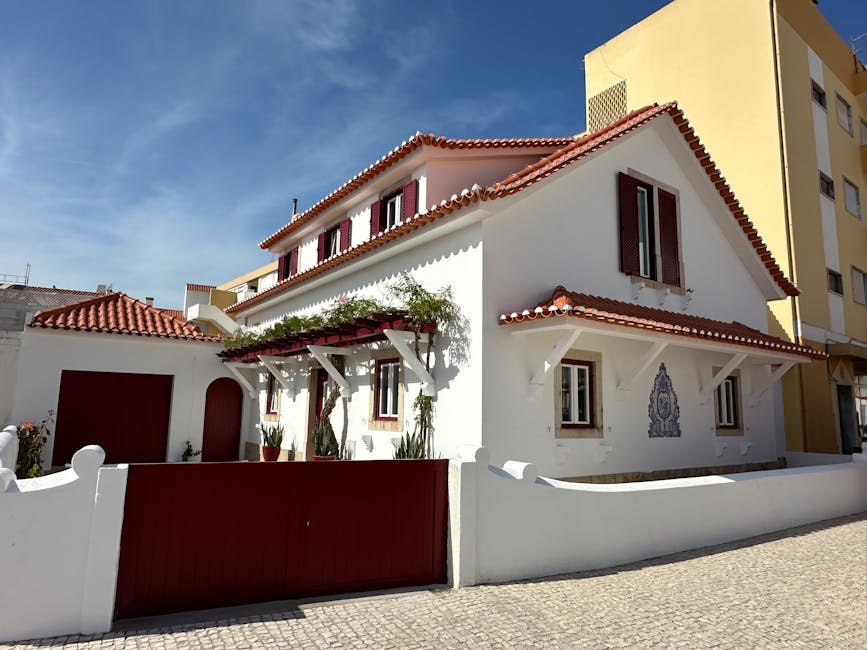
Moving west to Maranhão state, São Luís represents something unique in Brazil—a city founded by the French (not the Portuguese, which is rare), later taken over by the Portuguese, and heavily influenced by African culture through the slave trade. This three-culture blend creates an atmosphere you won't find anywhere else in the country.
The Historic Center That Feels Like Stepping Back in Time
São Luís's historic center is a UNESCO World Heritage site, and rightfully so. The Portuguese-influenced colonial buildings with their distinctive blue, yellow, and white azulejo tiles cover the facades in patterns that are instantly recognizable. Walking through the narrow streets feels like traveling back to the 18th century, except you can grab a cold cerveja (beer) at a modern café tucked into a 300-year-old building.
The city's main plaza, Praça Benedito Leite, is surrounded by colonial mansions and churches that tell the story of wealth accumulated through sugar and slavery. It's important to engage with this history honestly—understanding that these beautiful buildings were built on the backs of enslaved people adds necessary context and respect to your visit.
Where African Heritage Comes Alive
São Luís is particularly known as the birthplace of Bumba Meu Boi, an Afro-Brazilian festival and musical tradition that blends indigenous, African, and Portuguese influences. If you visit in June during the festivities, you'll witness one of Brazil's most authentic cultural expressions—not something performed for tourists, but a genuine celebration of community identity.
Beyond festivals, the city's food scene reflects this cultural blend. You'll find dishes featuring tucupi (a yellow sauce made from cassava root), manioc, fresh seafood, and spices that show African influence. The local street food culture is incredible—grab some pastel de queijo or caldo de cana from street vendors and you're eating the same meals people have been eating here for centuries.
Alcântara: The Frozen Portuguese Colony

Just across the bay from São Luís lies Alcântara, a small historical town that feels like colonial Brazil has been paused in time. This is a must-see destination if you're already visiting São Luís, and it's easily reachable by a short ferry ride.
A Town Suspended in History
Alcântara was once one of the wealthiest towns in colonial Brazil, thanks to sugar and cotton production. While the wealth eventually moved elsewhere, the architectural heritage remained. Walking through Alcântara is like wandering through the 18th century—weathered colonial mansions, ruins of old churches, cobblestone streets, and a general lack of modern commercial tourism that makes it feel authentic.
The ruins of the Igreja da Matriz, the Convento da Mercês, and various colonial homes showcase Portuguese Baroque architecture in various states of preservation. Some buildings are being carefully restored, while others stand as beautiful ruins, reclaimed partially by tropical vegetation.
The Cultural Significance
Alcântara also has significant African heritage—many of the enslaved people who built this wealth lived here, and their descendants still call the town home. The community maintains strong traditions of drumming, capoeira, and oral history that reflect this heritage. When you visit, you're supporting a local economy that's trying to preserve this history authentically, without turning it into a theme park.
Manaus: Where History Meets the Jungle
In the heart of the Amazon, Manaus represents a different kind of historical narrative. This city exploded into wealth during the rubber boom of the late 1800s, creating a bizarre but fascinating period where opera houses and European architecture rose from the jungle.
The Amazon Theatre and Gilded Age Glory
The Teatro Amazonas is the centerpiece of Manaus's historical identity—an absolutely stunning opera house built in 1896 when rubber barons wanted to prove that civilization and luxury could exist deep in the Amazon. The theatre's painted dome, crystal chandeliers, and Italian marble represent the extravagance of that era. You can catch performances here, or simply take a guided tour to understand the fascinating historical moment it represents.
The city's historic district features Belle Époque architecture, European-style plazas, and buildings that seem oddly out of place in the jungle. This architectural time capsule tells the story of boom and bust—the rubber boom that made Manaus wealthy, and the bust that followed when rubber cultivation moved to Asia.
Understanding Complex History
Visiting Manaus's historical sites means confronting the uncomfortable reality that this wealth was built on the exploitation of indigenous peoples and rubber tappers. Modern Manaus offers opportunities to learn this history more honestly through museums and cultural centers that don't shy away from these difficult truths.
Practical Tips for Your Northern Brazil Historical Journey
Getting Around
Belém and Manaus are the easiest cities to reach, with international airports and direct flights from major Brazilian hubs. São Luís is also well-connected. Once in these cities, hiring a local guide is highly recommended—you'll get stories and context that guidebooks can't provide.
Best Time to Visit
The dry season (roughly August to December) is ideal for exploring Northern Brazil. During the rainy season, some areas can be challenging to navigate, though the landscape is incredibly green and lush.
Cultural Respect
When exploring these historical cities, remember that they're living communities, not museums. Learn about the history honestly, support local businesses, and ask permission before photographing people or participating in cultural activities.
Why Northern Brazil's Historical Cities Matter
These cities aren't just about pretty colonial buildings and photo opportunities. They represent crucial chapters of Brazilian history that are often overlooked in favor of more famous destinations. They show you how indigenous, African, and European cultures collided and blended to create something uniquely Brazilian. They demonstrate the environmental and human costs of historical wealth extraction, and they show you how communities are working to preserve and reinterpret this heritage today.
Visiting these historical cities means engaging with Brazil at a deeper level. You're not just checking boxes on a tourist itinerary—you're understanding the foundations upon which modern Brazil was built, in all its complexity and contradiction.
Ready to explore beyond the typical Brazil tourist trail? Start planning your Northern Brazil historical adventure today. Research local guides, book accommodations in the historic centers of these cities, and prepare yourself for an experience that will fundamentally change how you understand Brazil's past and present. These cities won't be hidden gems forever—smart travelers are discovering them now, and you should too.
FAQ
What are the top historical cities to explore in Northern Brazil?
The most significant historical cities in Northern Brazil include Belém, São Luís, Manaus, and Alcântara. These cities showcase colonial architecture, indigenous heritage, and rich cultural traditions that reflect centuries of Amazon history. Each destination offers unique insights into the region's fascinating past and its importance to Brazilian development.
Why is São Luís considered one of the best historical destinations in Northern Brazil?
São Luís is renowned for its exceptionally well-preserved Portuguese colonial architecture and colorful 17th-century buildings with traditional azulejo tiles. The city served as a major trading port during the colonial period and was briefly occupied by the French, adding layers to its multicultural heritage. UNESCO recognized São Luís as a World Heritage Site due to its outstanding architectural and cultural significance.
What historical attractions can visitors find in Belém?
Belém features the iconic Teatro da Paz, a magnificent 19th-century opera house that symbolizes the city's rubber boom prosperity. Visitors can also explore the Basílica de Nossa Senhora de Nazaré, colonial neighborhoods, and the Ver-o-Peso market, which has served as a trading hub for over 400 years. The city's museums and historic districts provide excellent glimpses into Amazonian culture and Portuguese colonial influence.
Is Manaus worth visiting for historical exploration?
Yes, Manaus is absolutely worth visiting for its remarkable history during the rubber boom era of the late 19th and early 20th centuries. The city's most iconic landmark is the stunning Teatro Amazonas, a beautifully restored opera house with international architectural influence. Beyond the theater, visitors can explore the historic port district, colonial buildings, and museums that document the city's rise and evolution as an economic powerhouse.
What makes Alcântara a hidden gem among Northern Brazil's historical cities?
Alcântara is a lesser-known but remarkable colonial town featuring well-preserved 17th and 18th-century ruins and abandoned mansions that tell stories of its wealthy sugar and cotton past. The town's decaying colonial architecture creates a hauntingly beautiful atmosphere that attracts history enthusiasts and photographers. Located near São Luís, Alcântara offers an off-the-beaten-path experience with authentic historical charm and fewer crowds than other major destinations.


Comments
Post a Comment