Kayaking vs Jungle Trekking: Which Amazon Adventure Fits You Best
You've been dreaming about the Amazon rainforest for years. Those emerald waters, the canopy so thick it blocks the sun, the sounds of pink river dolphins and macaws echoing through the air—it's calling your name. But now comes the real question: do you paddle into this wild landscape, or do you lace up your hiking boots and trek on foot?
Here's the thing about adventure activities in the Amazon rainforest Brazil: there's no one-size-fits-all answer. Both kayaking and jungle trekking will blow your mind, but they offer completely different experiences. The choice depends on your fitness level, what kind of wildlife you want to see, how much time you have, and honestly, whether you prefer staying dry (spoiler: you won't) or getting properly soaked.
Let me break this down for you so you can decide which Amazon adventure actually matches your style.
Understanding the Amazon's Two Main Adventure Routes
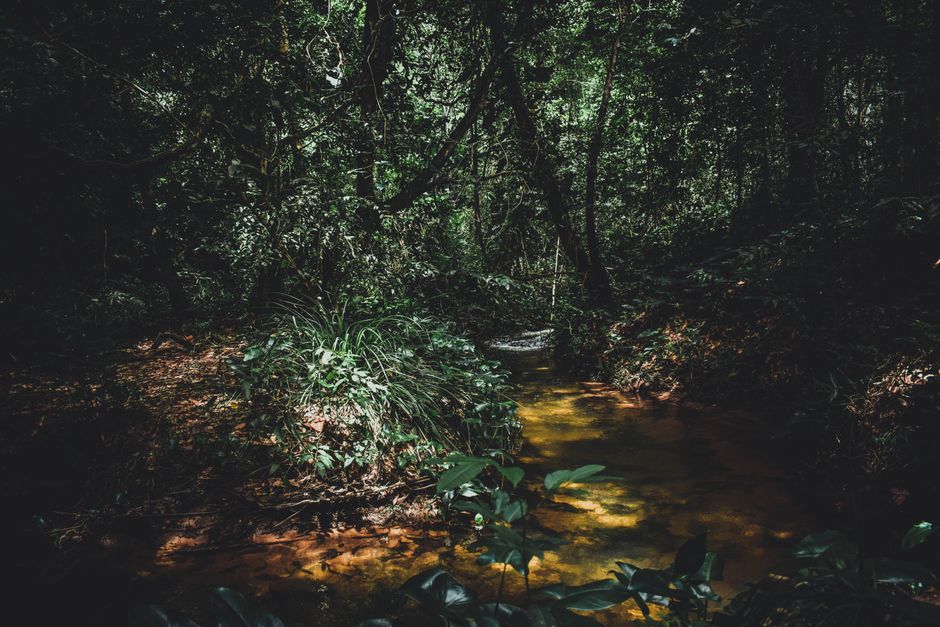
The Amazon basin sprawls across nine countries, but Brazilian Amazon is where most travelers head. It covers roughly 60% of the rainforest, and the region offers these two distinctly different ways to experience its majesty. Both will challenge you, both will reward you, and both require respect for this incredible ecosystem.
What Makes Kayaking Special in the Amazon
Picture this: you're gliding silently through a narrow channel, your paddle barely touching the water. A three-toed sloth hangs motionless above you in the canopy. Minutes later, you round a bend and spot a family of pink river dolphins surfacing just twenty feet away. The water is calm, almost glassy, and the world feels impossibly quiet except for the distant calls of birds you'll never quite see.
Kayaking in the Amazon puts you at eye level with the water and the creatures that depend on it. This is its superpower. You move quietly through the flooded forests (várzea and igapó in Portuguese), where trees grow directly from the water during the wet season. You can access narrow channels that boats can't reach, getting into the intimate corners of the rainforest.
The Amazon's main waterways—the Rio Negro, Rio Solimões, and their countless tributaries—offer different kayaking experiences. Some companies organize multi-day expeditions camping on riverbanks. Others focus on day trips from established lodges. The water is usually calm enough that beginners can participate, though conditions vary by season and location.
What Makes Jungle Trekking Special in the Amazon
Now imagine something different: you're walking a narrow trail carved by boots before you, machete marks fresh on the vegetation. The humidity hits you like a wall. The ground beneath you is soft, alive—decomposing vegetation returning to earth, insects everywhere, the smell of the jungle's constant cycle of growth and death filling your nose.
Jungle trekking is immersive in a way that water-based activities can't match. You're literally moving through the forest on the forest's terms. You're hearing sounds from every direction—the rustle of something unseen, the crack of a branch, the chorus of tree frogs that's so loud it seems to come from everywhere and nowhere simultaneously.
Trekking also offers something kayaking doesn't: the chance to find terrestrial wildlife and plants that never touch the river. You'll spot poison dart frogs in brilliant colors, maybe a sloth (though finding one requires patience and luck), insects that seem invented by someone with too much imagination, and the actual architecture of the forest—how it's organized, layered, the competition for light that drives everything.
Physical Demands: Be Honest With Yourself

Kayaking's Physical Reality
Here's what people don't always tell you about Amazon kayaking: yes, it looks peaceful and meditative, but paddling for 4-6 hours a day is genuine physical work. Your shoulders, arms, and core will feel it. The heat and humidity make everything harder. You're sitting in a boat in an equatorial climate, which means sun exposure and sweating constantly.
That said, kayaking is more forgiving for people with different fitness levels. You can take breaks whenever you want. If your shoulders start screaming, you pull over and rest. The pace is manageable for most reasonably fit adults. People in their 60s and even 70s regularly do Amazon kayaking trips successfully.
What you do need: basic swimming ability (essential, not optional) and comfort being in a kayak. If the thought of capsizing makes you panic, this isn't your adventure.
Jungle Trekking's Physical Reality
Jungle trekking is less predictable physically, and honestly, it's usually harder. The trails are uneven, muddy, sometimes slippery. The humidity makes every step feel heavier. You're navigating obstacles—roots, fallen trees, steep sections. And you can't just decide to stop for three hours like you can in a kayak.
That said, jungle treks are often broken into shorter daily distances than you'd expect. A typical Amazon trek might cover 5-8 kilometers per day, but it'll feel longer because the terrain is difficult. Most reputable companies scale their routes for different fitness levels—there's usually an easier option and a more challenging one.
What you do need: basic cardiovascular fitness, the ability to hike 4-5 hours with breaks, and comfort being in a hot, humid, buggy environment. If you get anxious around insects, this is going to test your nerves.
Wildlife Encounters: Which Offers Better Animal Watching?

This is where it gets interesting because both activities deliver, just differently.
Amazon Kayaking for Wildlife
Water-based adventures give you the best shot at seeing pink river dolphins (boto rosa), one of the Amazon's most iconic creatures. These freshwater dolphins are curious about kayaks and will sometimes surface near you, though guides will remind you not to approach them. You'll also regularly see caimans basking on riverbanks, macaws, herons, kingfishers, and if you're lucky, river otters.
The advantage is predictability—certain species congregate near water, and you'll see them. The disadvantage is that you're confined to the river ecosystem. If you want to see jaguars, anacondas, or most monkey species, water kayaking is less reliable.
Jungle Trekking for Wildlife
Trekking gives you a chance at the charismatic megafauna that lives beyond the rivers. Howler monkeys (monkeys whose calls sound like a combination of a roaring lion and a chainsaw) are common in the canopy above trails. You might encounter poison dart frogs, glass frogs, tarantulas, and if you're fortunate, a sloth or even a jaguar, though the latter is genuinely rare.
Here's the honest truth though: jungle trekking requires more patience and luck for wildlife viewing. The rainforest is dense. Animals hide. You might trek all day and see mostly insects and vegetation. Guides matter enormously here—experienced guides read the forest and find wildlife; inexperienced ones leave you listening to your own breathing.
Practical Considerations for Your Decision
Time Investment
If you have just 2-3 days in the Amazon, kayaking is more accessible. You can do a solid kayaking trip with day excursions and still have time for other activities. Jungle trekking really benefits from 4+ days—you need time to get deep enough into the forest and adjust to the pace.
Cost Comparison
Both run similar price ranges ($150-300+ per day depending on the lodge and region), but they're structured differently. Kayaking-focused trips often include multiple short excursions. Trekking trips are usually fewer, longer hikes. Budget accordingly for the number of days.
Seasons Matter
The Amazon has wet and dry seasons, though "wet" and "dry" are relative in a rainforest. During wet season (May-August), water levels rise, making kayaking excellent because flooded forests become accessible. During dry season (September-April), water levels drop, which can actually make kayaking trickier—some channels become impassable. Dry season favors trekking because trails aren't as muddy.
Bug Factor
Let's talk about mosquitoes and insects. Both kayaking and trekking mean bugs. Kayaking actually exposes you to fewer insects because water-level activities have less mosquito pressure than dense forest trails. If bugs are your nemesis, kayaking wins.
The Real Difference: What You're Seeking
Strip away the logistics and here's what it comes down to: choose kayaking if you want meditative beauty, predictable wildlife, and a somewhat gentler physical experience. You're gliding, observing, letting the Amazon come to you.
Choose jungle trekking if you want raw immersion, the chance to discover something unexpected, and to push yourself physically. You're in the jungle's element, moving with it, not observing from a distance.
Plenty of travelers do both during their Amazon trip, and honestly? That's the smartest move if your schedule allows. Three days kayaking to understand the river systems, then two days trekking to experience the terrestrial forest. You get the best of both worlds and a more complete understanding of what makes this ecosystem so mind-bending.
Choosing the Right Operator Matters Most
Here's something crucial: the quality of your guide and lodge matters more than your choice of activity. A mediocre kayaking trip with an indifferent guide will bore you. An excellent jungle trek with a passionate, knowledgeable guide will change your life.
Research your operator carefully. Read recent reviews specifically about wildlife encounters and guide quality. Ask whether guides are local and how long they've worked in the region. The jeito brasileiro—the Brazilian way—often means guides are incredibly personable, but make sure they're also knowledgeable.
Look for operators who emphasize conservation and responsible tourism. The Amazon doesn't need more disruption; it needs visitors who understand they're guests in an irreplaceable ecosystem.
Making Your Final Call
You're going to have an extraordinary experience doing either activity. The Amazon doesn't disappoint. What matters is honoring what you actually want from your adventure and being realistic about your physical abilities and comfort levels.
Ask yourself these questions: Do I prefer calm observation or active exploration? Am I comfortable being on water or would I rather be on land? Do I have more time or less time? How do I feel about intense physical exertion in heat and humidity?
Your honest answers point toward which adventure activities in the Amazon rainforest Brazil will leave you speechless—and you'll book accordingly.
Ready to plan your Amazon adventure? Start by connecting with reputable local operators in Manaus or smaller towns like Iquitos, read detailed recent reviews, and book during the season that matches your chosen activity. The rainforest is waiting, and it doesn't matter if you approach it by paddle or on foot—it's going to blow your mind.
FAQ
What are the main differences between kayaking and jungle trekking as adventure activities in the Amazon rainforest Brazil?
Kayaking in the Amazon allows you to explore waterways and spot wildlife from a water perspective, while jungle trekking takes you deep into the forest on foot to experience dense vegetation and terrestrial ecosystems. Kayaking requires less physical endurance but demands water safety skills, whereas trekking demands better physical fitness and hiking experience. Both offer unique wildlife encounters and are excellent adventure activities in the Amazon rainforest Brazil, just from different vantage points.
Which Amazon adventure activity is better for spotting wildlife?
Kayaking is often better for spotting aquatic and riverside wildlife like pink river dolphins, caimans, and macaws, as animals frequently come to water sources. However, jungle trekking gives you opportunities to see ground-dwelling animals, insects, and plants up close in their natural habitat. For comprehensive wildlife viewing during your Amazon rainforest adventure, many guides recommend combining both activities to experience the full biodiversity of the region.
What physical fitness level do I need for each of these adventure activities in the Amazon rainforest Brazil?
Kayaking requires moderate fitness and good upper body strength, but the pace is generally controlled and you can rest whenever needed during your Amazon adventure. Jungle trekking demands higher cardiovascular fitness and leg strength, as you'll be hiking through challenging terrain in humid, hot conditions for several hours. If you have limited fitness, kayaking might be the better choice, but both activities can be adapted to different fitness levels with proper guides.
What safety concerns should I consider before choosing a kayaking or jungle trekking adventure?
Kayaking in the Amazon involves risks like capsizing, strong currents, and encounters with caimans or anacondas, requiring proper safety equipment and experienced guides. Jungle trekking presents hazards such as venomous snakes, insects, getting lost, and heat-related illnesses, demanding good navigation skills and knowledge of the rainforest. Both adventure activities in the Amazon rainforest Brazil are generally safe when conducted with reputable operators who provide proper training, equipment, and experienced local guides.
Which adventure activity offers the best value for money in the Amazon?
Kayaking tours are often more affordable and accessible since they typically operate on established routes with scheduled departures, making adventure activities in the Amazon rainforest Brazil more cost-effective. Jungle trekking can be more expensive due to the need for experienced guides, porters, and longer expedition durations requiring logistics support. Your best value depends on your budget and preferences—day kayaking tours offer quick, budget-friendly experiences, while multi-day trekking provides immersive but pricier adventures.


Comments
Post a Comment