Hidden Gems Beyond Rio: Brazil's Most Underrated Destinations Worth Exploring
Listen, I get it. When most people think about visiting Brazil, their minds immediately jump to Rio de Janeiro's iconic beaches, Christ the Redeemer, and maybe a quick stop at Iguazu Falls. But here's the thing—Brazil is massive, incredibly diverse, and absolutely bursting with destinations that barely make it onto the typical tourist radar. If you're the kind of traveler who wants to experience the real jeito brasileiro without fighting crowds or breaking the bank, it's time to venture off the beaten path.
The beauty of exploring off the beaten path destinations in Brazil is that you'll discover a country that most visitors never get to see. You'll find yourself in colonial towns where cobblestone streets seem frozen in time, pristine beaches where your footprints are the only ones in the sand, and cultural experiences that feel genuinely authentic rather than packaged for tourists. Let me walk you through some of my favorite underrated corners of Brazil that absolutely deserve your attention.
Colonial Towns: Where Time Stands Still
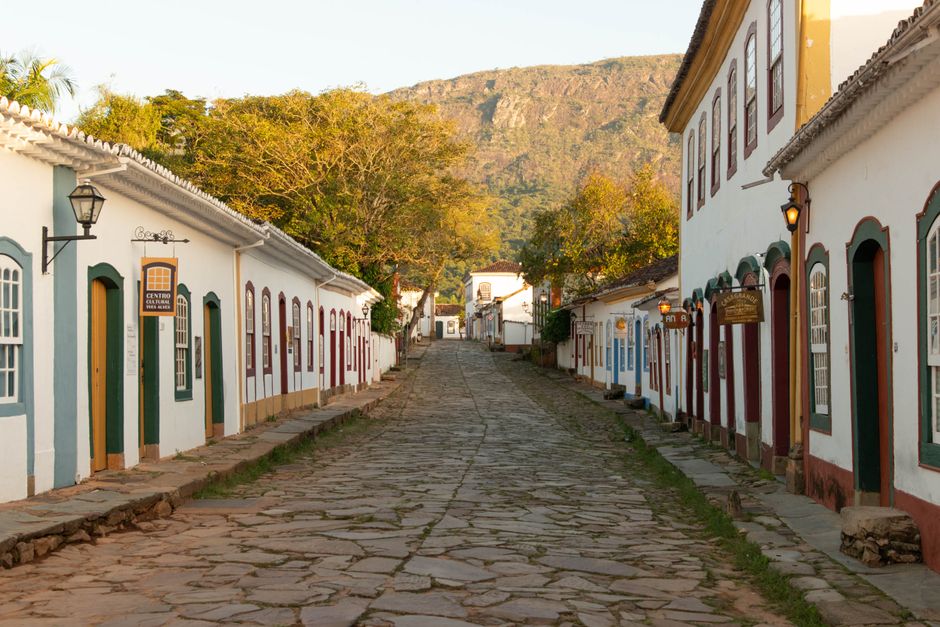
Tiradentes, Minas Gerais
Forget the crowds at Ouro Preto for a moment. Just south of there, you'll find Tiradentes—a picturesque colonial town that feels like stepping directly into the 18th century. The town is built around a stunning baroque church, with white-washed buildings, colorful shutters, and cobblestone streets that seem designed for wandering without a particular destination in mind.
What makes Tiradentes special is that it's actually become a bit of a hub for artists, small galleries, and excellent restaurants without losing its authentic character. You can explore the local museums (the Museum of Tiradentes is surprisingly engaging), browse artisan shops, and grab fresh regional cuisine. The town sits at a higher elevation, so the climate is pleasantly cool compared to other parts of Brazil. Plus, it's genuinely affordable—you won't find the inflated prices that plague more famous destinations.
São Luís, Maranhão
Up in northeastern Brazil, São Luís is one of the country's best-preserved colonial cities and a UNESCO World Heritage site that somehow remains relatively unknown to international travelers. The historic center features hundreds of colonial buildings with distinctive blue and white Portuguese azulejo tiles, creating an atmosphere that's utterly enchanting.
Beyond the architecture, São Luís is the birthplace of bumba-meu-boi, one of Brazil's most important cultural traditions—a theatrical performance that blends indigenous, African, and Portuguese influences. If you time your visit for June (Festa de São João season), you'll experience this celebration in an authentic setting far removed from the commercialized versions you might find elsewhere. The local food scene emphasizes fresh seafood and traditional Maranhão dishes that you absolutely won't find in Rio or São Paulo.
Hidden Beaches: Beyond the Crowded Shoreline

Jericoacoara, Ceará
This former fishing village in northeastern Brazil has managed to stay relatively low-key despite being absolutely stunning. Jericoacoara sits on a peninsula surrounded by dramatic sand dunes and crystal-clear water, with a massive rock formation (Pedra Grande) that creates breathtaking landscapes, especially at sunset.
The town itself maintains a relaxed, bohemian vibe with unpaved streets, beach bars playing live music, and accommodations ranging from budget pousadas to comfortable mid-range hotels. It's perfect for adventure seekers—you can try kitesurfing, go sandboarding down the massive dunes, or simply lounge on the beach and watch the jeito brasileiro of hospitality unfold around you. Getting there requires some effort (it's about 4 hours from Fortaleza by car), which is precisely why it hasn't been overrun by tour buses.
Lençóis Maranhenses National Park
Imagine vast white sand dunes with crystal-clear lagoons nestled between them, creating a landscape that looks almost otherworldly. That's Lençóis Maranhenses, located in Maranhão state. The "lençóis" (sheets) of white sand stretch across the national park, creating patterns that are absolutely spectacular from above and incredibly surreal when you're walking through them.
The best way to experience this is from the town of Barreirinhas, where you can book day tours or multi-day expeditions. The water in these lagoons is refreshingly cool and clear—perfect for swimming. The national park remains wonderfully underdeveloped in terms of tourism infrastructure, which means fewer crowds and an authentic sense of discovery. Just be prepared for rustic accommodations and get yourself vaccinated against yellow fever before heading out.
Nature and Adventure: Jungle and Wildlife Away from the Amazon

The Pantanal: Eco-Tourism Excellence
While everyone talks about the Amazon, the Pantanal deserves serious consideration if you want incredible wildlife viewing without the hype. This vast wetland in central Brazil (spanning Mato Grosso and Mato Grosso do Sul states) is actually better for spotting wildlife because animals congregate around water sources as the region seasonally floods and dries.
You'll see jaguars, caimans, capybaras, macaws, anacondas, and countless other species during a typical visit. The Pantanal lodges range from budget-friendly to luxury, and most include guided tours and meals. The ecosystem is genuinely fascinating from an ecological perspective, and the experience feels more exclusive than major Amazon tours because fewer international tourists make the journey.
Chapada Diamantina National Park
Located in Bahia state, this mountain range offers spectacular hiking trails, waterfalls, and caves that remain largely undiscovered by international tourists. The park surrounds the town of Lençóis (different from the national park mentioned above—Brazil loves reusing place names), which has become a hub for adventure travelers and hikers.
Popular hikes include the trek to Poço Encantado, a magical blue-water cenote, and the longer trail to Cachoeira da Fumaça, Brazil's tallest waterfall. The landscape is dramatically different from coastal Brazil—you're in highland terrain with cooler temperatures, pine forests, and valleys that reveal a completely different side of northeastern Brazil. Local guides are essential and incredibly knowledgeable about the region's geology and flora.
Cultural Immersion: Food, Traditions, and Communities
Belém: Amazon Gateway with Culinary Soul
While not exactly unknown, Belém at the mouth of the Amazon River remains overshadowed by mentions of the rainforest itself. But this city is where river culture comes alive—the Ver-o-Peso market (the oldest market in the Americas, dating to the 1600s) is a sensory explosion of Amazonian ingredients, regional dishes, and authentic local life.
Here you'll eat fresh açai in its original form (not the Instagram bowl version), try regional fish like pirarucu and maniçoba, and experience the food culture that defines northern Brazil. The city's architecture showcases Portuguese colonial and belle époque influences, and the people embrace a rhythm of life that feels completely distinct from the rest of Brazil. The local cultural calendar includes the Círio de Nazaré festival in October—one of the world's largest religious processions.
The Atlantic Forest Region: Biodiversity Meets Culture
Brazil's Atlantic Forest isn't as famous as the Amazon, but it's equally biodiverse and faces serious conservation challenges. Visiting eco-lodges and reserves in this region—particularly in states like Santa Catarina and Paraná—directly supports conservation efforts while giving you access to incredible nature.
The region also has strong cultural traditions tied to European immigration (particularly German and Italian), resulting in unique food, architecture, and festivals that differ significantly from coastal tourist areas. Small towns like Blumenau and Brusque offer this cultural blend alongside stunning natural surroundings.
Getting There and Practical Tips
Transportation Between Hidden Gems
Brazil's domestic flight network is extensive and relatively affordable if you book in advance. For ground travel, long-distance buses are comfortable and economical, though they do require time—embrace it as part of the adventure. Renting a car in certain regions (particularly Minas Gerais and the south) gives you flexibility to explore at your own pace.
When to Visit
Avoid the peak rainy season in each region—timing varies significantly across Brazil. Generally, April through September is dry in the north and northeast, while December through February is best for the south. Off-season travel means better prices and fewer crowds.
Budget Expectations
These destinations are considerably cheaper than Rio or São Paulo. You can easily find quality accommodations for $30-60 per night, and meals at local restaurants run $5-12. Regional variations exist—the south tends to be pricier than the northeast—but overall, off-the-beaten-path Brazil is genuinely budget-friendly.
The Real Brazil Awaits
The destinations I've shared represent just a slice of what awaits beyond Brazil's most famous attractions. The magic of exploring off the beaten path in Brazil isn't just about avoiding crowds—it's about experiencing a country where tourism feels like a genuine cultural exchange rather than a transaction. You'll encounter the real jeito brasileiro: the warmth of locals who are pleased (not jaded) to meet visitors, the authentic rhythms of regional life, and landscapes that take your breath away precisely because they haven't been overrun.
So here's my challenge to you: Instead of booking another Rio hotel, consider spending your time in these underrated gems. Your travel budget will thank you, your Instagram feed will showcase something genuinely unique, and most importantly, you'll carry home memories of a Brazil that most visitors never get to experience.
Ready to plan your off-the-beaten-path Brazilian adventure? Start researching these destinations today—book your flights for the dry season, pack your sense of adventure, and prepare yourself for a journey that transforms how you understand this incredible country. Which hidden gem are you most excited to explore first?
FAQ
What makes off the beaten path destinations in Brazil worth visiting compared to Rio de Janeiro?
Off the beaten path destinations in Brazil offer authentic cultural experiences, pristine natural landscapes, and fewer tourists, allowing you to connect with local communities and discover hidden treasures. While Rio is famous for its beaches and attractions, these underrated destinations provide unique opportunities to explore Brazil's diverse ecosystems, colonial architecture, and regional cuisine without the crowds. You'll often find better value for your money and more genuine interactions with locals in these lesser-known areas. These hidden gems showcase the true diversity and richness that Brazil has to offer beyond its most famous city.
Which are some of the best hidden gems beyond Rio that travelers should consider visiting?
Some outstanding underrated destinations include Lençóis Maranhenses, known for its stunning white sand dunes and crystal-clear lagoons, and Jericoacoara in Ceará with its dramatic cliffs and vibrant nightlife. The charming colonial town of Ouro Preto in Minas Gerais offers rich history and baroque architecture, while Fernando de Noronha is a pristine island paradise perfect for diving and marine life observation. Additionally, the Pantanal wetlands provide incredible wildlife watching opportunities, and the Chapada Diamantina region offers spectacular hiking and waterfall exploration that rivals more famous Brazilian destinations.
What is the best time to visit these off the beaten path destinations in Brazil?
The best time to visit Brazil's hidden gems generally falls between September and November (spring) or March to May (autumn), when weather is pleasant and rainfall is moderate across most regions. For specific destinations like the Pantanal, the dry season from July to September is ideal for wildlife viewing, while Lençóis Maranhenses is best visited during the dry season from July to September when the lagoons are full and vibrant. The Chapada Diamantina is accessible year-round, but the cooler months from May to September are most comfortable for hiking. Avoiding peak Brazilian holidays and summer vacation months will also help you experience these destinations with fewer crowds.
How can travelers get around these underrated destinations efficiently?
Most off the beaten path destinations in Brazil are accessible by domestic flights from major cities like São Paulo and Salvador, followed by local transportation options like buses, vans, or organized tours. Renting a car is often the most flexible option for exploring regions like Chapada Diamantina or the coastal areas around Jericoacoara, though road conditions may vary. Many hidden gem destinations offer guided tours and excursions that include transportation, making it easier for travelers unfamiliar with the area to navigate and maximize their experience. Hiring local guides is highly recommended as they provide invaluable knowledge about the best routes, hidden spots, and cultural insights that enhance your journey.
What tips should travelers follow when visiting Brazil's hidden gems?
Always research and book accommodations and tours in advance, especially during peak seasons, as these destinations have limited infrastructure compared to Rio de Janeiro. Respect local communities and their customs, support local businesses by eating at family-run restaurants, and practice responsible tourism by following environmental guidelines, especially in natural areas like the Pantasal and Lençóis Maranhenses. Bring insect repellent, sunscreen, and appropriate clothing for varying climates, and ensure your travel documents are in order with sufficient Brazilian currency or access to ATMs. Finally, hire local guides whenever possible to enrich your experience and ensure your tourism dollars directly benefit the communities you're visiting.


Comments
Post a Comment