Tasting Your Way Through Brazil: Regional Flavors Beyond the Tourist Menu
Here's the thing about Brazilian cuisine that most travelers miss: it's not one food culture, it's five. Maybe ten if you're counting regional variations. When you land in Rio expecting to eat caipirinhas and churrasco for a week, you're missing out on an entire country of flavors that would make your Instagram followers jealous and your taste buds genuinely confused about why nobody warned you earlier.
Brazil's food scene isn't just about the Instagram-worthy açai bowls at Copacabana (though, sure, grab one). It's about understanding why a fisherman in Recife eats something completely different from a coffee farmer in Minas Gerais, and why both of those dishes would blow your mind if you actually sought them out. Let's talk about how to eat your way through Brazil like someone who actually knows what they're doing.
The Northeast: Where Flavors Get Spicy and Tropical

If you're serious about understanding Brazilian cuisine, the Northeast is where you start. This region didn't just develop food—it created a whole philosophy around it. The mix of indigenous ingredients, African cooking techniques brought through centuries of history, and Portuguese spice traditions created something that tastes like nothing else in Brazil.
Bahia's Seafood Legacy and Hidden Food Markets
Salvador isn't just a cultural immersion destination; it's a food lover's proving ground. Walk into the Mercado Modelo at sunrise and you'll understand why locals call this their second home. The energy, the vendors calling out their specialties, the smell of fresh fish mixed with spices—this is where culinary tourism actually happens.
You need to eat moqueca, but here's the secret: order it at a family-run spot in the Barra neighborhood, not at a beachfront restaurant charging tourist prices. Moqueca is a coconut-based seafood stew that takes hours to make properly. The real version uses dendê oil (palm oil), fresh fish caught that morning, and a technique that's been passed down through generations. When you taste it prepared by someone who learned from their grandmother, you'll understand why Bahian cooking is the backbone of Brazilian food culture.
Don't sleep on acarajé either. These black-eyed pea fritters are street food, yes, but they're also a cultural artifact. Traditionally prepared by women in white traditional dress (a practice called baiana), sold from colorful carts in the Pelourinho, acarajé tells you everything about how Brazilians eat. It's communal, it's affordable, it's delicious, and it connects directly to African heritage.
Recife's Seafood and the Art of Watching While You Eat
Recife's food scene has this incredible vibe that combines sophistication with casual street-food energy. Head to the Cais de Santa Rita—a waterfront area where you can literally watch fishermen bringing in the day's catch while sitting at a restaurant eating it. The peixada (fish stew) here is where you'll taste why Northeast Brazil built its entire economy around the ocean.
The region also specializes in carne de sol, a sun-dried meat that's nothing like jerky. It's tender, complex, and served with farofa (toasted cassava flour) and beans. Pair it with fresh local cachaça (not the tourist-trap brands), and you're having the meal that Pernambuco workers have been eating for centuries.
The Amazon and Amazonas State: Jungle Ingredients That Challenge Your Palate
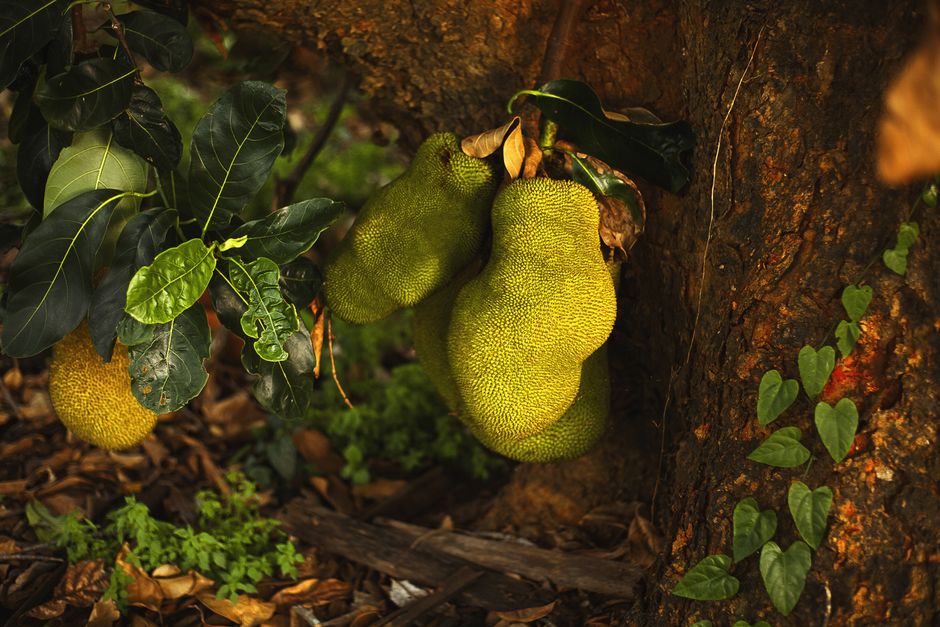
The Amazon isn't just a nature destination—it's a culinary frontier that most travelers completely skip. The food here is radically different because the ingredients are radically different. This isn't about comfort; it's about discovering what indigenous and riverine communities have been cooking for centuries.
Manaus and River Communities: Where Game and Fish Define Dinner
In Manaus, you'll find restaurants serving pirarucu, a massive freshwater fish that's been feeding Amazon communities forever. It's flaky, sustainable (when sourced responsibly), and tastes nothing like Atlantic fish. The texture changes everything—it's almost like a cross between fish and chicken.
But here's where it gets interesting: venture into smaller river communities and you might encounter tucupi, a yellow broth made from cassava root that's fermented and cooked with local herbs. It looks strange, tastes unusual, and is absolutely authentic. Many travelers avoid it because it's unfamiliar, but that's exactly why you should try it. You didn't fly 4,000 miles to eat what you can get at home.
Local guides can arrange jungle food experiences where you'll taste açai directly from the source (not the Instagrammable bowl, but the real thing), fresh Brazil nuts from the forest floor, and fish prepared in ways that locals have perfected over generations. This is food tourism at its most genuine.
Minas Gerais: Where Comfort Food Becomes Art
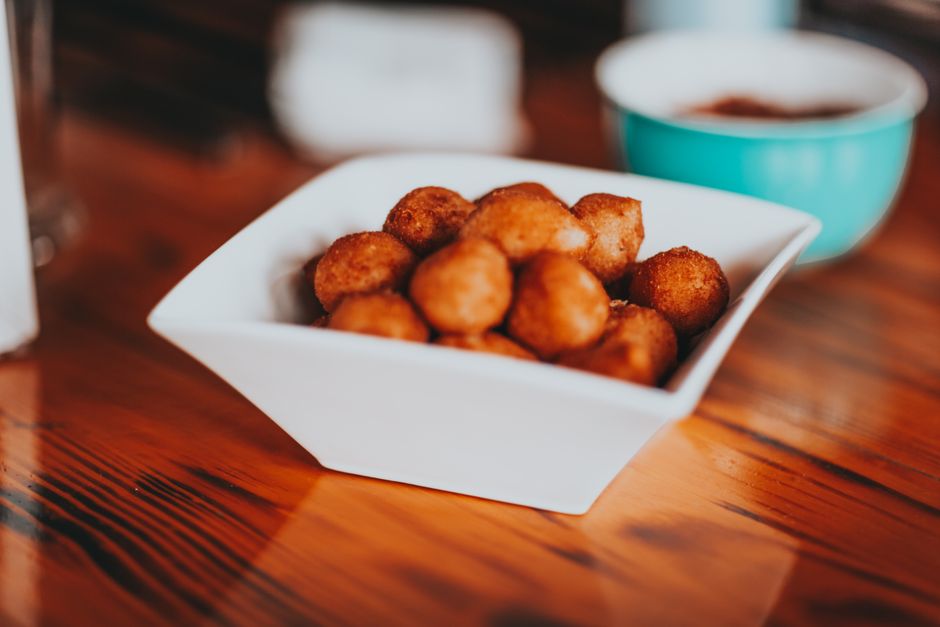
Minas Gerais represents something different in Brazilian cuisine: the rustic, the nostalgic, the deeply satisfying. This is mining country, a region built on slave labor and agriculture, and the food reflects that complex history. It's not trying to be fancy—it's trying to be real.
The Sacred Trinity: Beans, Pork, and Cheese
The food of Minas revolves around feijoada (a bean and pork stew), feijão tropeiro (beans with cassava flour and vegetables), and queijo meia cura (a semi-aged cheese that's creamy and complex). This isn't fine dining; this is food that powered workers and has become part of Brazilian identity.
Visit a small town in the Serra da Mantiqueira mountains and eat at a family-style restaurant (called comida caseira) where they serve unlimited sides, fresh bread, and unlimited refills. For about $12-15 USD, you'll eat better than at most upscale restaurants in Rio or São Paulo. The jeito brasileiro of eating—generous, communal, unpretentious—comes alive here.
Ouro Preto's Colonial Food Culture
Beyond the baroque churches and historical streets, Ouro Preto's restaurants reflect centuries of mining wealth and cultural layering. Try broinhas de chuva (rain cakes), a sweet treat sold fresh from carts, or bolo de fubá (cornmeal cake) that's been made the same way since the 1700s.
São Paulo: Where Brazilian Cuisine Meets Global Influence
São Paulo isn't about traditional Brazilian food—it's about how Brazilian food evolves when exposed to Japanese, Italian, Middle Eastern, and Portuguese influences. This city has more Japanese residents than anywhere outside Japan, so the Japanese-Brazilian fusion scene is mind-blowing.
Street Markets and Fusion Restaurants
The Mercado da Lapa and Mercado Central expose you to ingredients and techniques you won't find elsewhere. Fresh açai here is different from Northeast açai. Japanese-Brazilian chefs are reinterpreting traditional dishes. Portuguese immigrants have brought new techniques to old recipes.
If you have a higher budget, fine dining in São Paulo represents Brazilian cuisine at its most innovative—chefs like Alex Atala (D.O.M. restaurant) are literally redefining what Brazilian cuisine means by working with Amazon ingredients and classical technique. It's not "traditional," but it's undeniably Brazilian.
Southern Brazil: European Influence and Wine Country
The south—Santa Catarina, Rio Grande do Sul, and Paraná—has a completely different food identity because of European immigration. This is where you'll find churrasco (Brazilian barbecue) done right, German-influenced dishes, and surprising wine culture.
Churrascarias and the Barbecue Experience
A proper churrascaria isn't just eating meat; it's a social experience. You'll sit at a table while servers (called picadores) approach with skewers of perfectly grilled meat. You flip a small disc at your table from red (stop) to green (bring it on), and they keep serving. It's $30-50 per person typically, and you'll eat more meat than you thought possible. The jogo bonito of Brazilian barbecue is the balance between different cuts, temperatures, and sides.
Rio Grande do Sul Wine and Local Pasta
The wine region around Bento Gonçalves rivals Argentina's Mendoza in quality but costs about 40% less. Pair regional wines with fresh handmade pasta (influenced by Italian immigration) and you've got a food experience that most Brazil tourists never even know exists.
Practical Tips for Eating Your Way Through Brazil
Markets Over Restaurants
Street markets and local markets give you authentic food at half the price. Learn to recognize a good spot: busy at lunch time, lots of local workers, minimal English signage, and lines out the door. That's where you go.
Learn Basic Food Portuguese
Knowing how to ask "What's fresh today?" (O que está fresco hoje?) or "What does your grandmother make?" (O que sua avó faz?) opens doors. Brazilians appreciate effort, and food conversations become genuine connections.
Embrace the Unknown
If a local recommends something you've never heard of, order it. That's how you discover tucupi, pirarucu, or regional cheeses that don't have English Wikipedia pages yet.
Budget Accordingly
Street food and markets: $2-8 per meal. Casual restaurants: $8-20. Mid-range with views: $20-50. Fine dining: $50+. The best meals often happen in the cheaper categories—don't confuse price with quality.
Making It Happen: Your Food-Focused Itinerary
A food-focused Brazil trip doesn't require two weeks, but it requires intention. Spend 3-4 days in Salvador, 2-3 in Recife, 3-4 in Minas Gerais (focusing on market towns), and 3-4 in São Paulo if you want. Skip the typical "Rio-Iguazu" tourist track if food is your priority—these destinations offer better culinary experiences and actually fewer tourists.
Consider hiring a local food guide for 1-2 days in each major stop. They'll take you to family restaurants, markets, and street vendors that you'd never find alone. The $50-100 investment typically saves you money while guaranteeing authentic experiences.
Why This Matters for Your Travel
Here's the reality: food tourism in Brazil isn't about luxury dining. It's about understanding how 215 million people actually eat, what flavors shaped their culture, and how geography completely determines what's on your plate. When you taste real moqueca in Bahia instead of the tourist version, when you eat feijoada with a Brazilian family instead of at a restaurant, when you discover a regional cheese that makes you question everything you thought about food—that's when travel becomes transformation.
Brazil's culinary scene is still being discovered by international food media, which means you're getting in early. The food is authentic, it's affordable, and it tells the story of Brazil more honestly than any guidebook ever could.
Ready to plan your food adventure through Brazil? Start by picking one region that excites you, research 3-4 specific markets or restaurants, and go in with curiosity instead of expectations. Your taste buds will thank you, and you'll come home with stories that go way beyond "I saw Copacabana Beach." You'll come home knowing how Brazil actually tastes.
FAQ
What are some authentic regional dishes that travelers should try beyond the typical tourist restaurants in Brazil?
Brazil's regional cuisines offer incredible diversity—try Bahia's moqueca (fish stew) and acarajé, the Amazon's pirarucu dishes, Rio Grande do Sul's churrasco (grilled meats), and Minas Gerais' pão de queijo and feijão tropeiro. Each region has distinct flavors shaped by indigenous ingredients, African influences, and local traditions that you won't find on standard menus. Exploring these regional specialties gives you a much deeper understanding of Brazilian food culture than typical tourist fare.
How does Brazilian cuisine differ between the coastal regions and the inland areas?
Coastal regions like Bahia and Rio feature seafood-based dishes with African and Portuguese influences, including fresh fish, shrimp, and coconut milk preparations. Inland areas like Minas Gerais and São Paulo focus more on beans, rice, corn, and pork, with hearty comfort food traditions reflecting agricultural heritage and cattle ranching. The Northeast coast emphasizes tropical fruits and spices, while the South showcases European immigrant influences in their meat-centric cuisine.
Where can food lovers find the most authentic dining experiences away from tourist areas in Brazil?
Visit local markets like São Paulo's Mercadão or Salvador's Mercado Modelo, eat at family-run boteco restaurants, and seek out regional food festivals celebrating local harvests and traditions. Street food vendors and small neighborhood restaurants frequented by locals offer the most authentic and affordable experiences. Consider taking cooking classes or food tours led by locals who can guide you to hidden gems and explain the cultural significance of each dish.
What indigenous and African ingredients are fundamental to Brazilian regional cuisine?
Cassava, açaí, guaraná, and various tropical fruits come from indigenous traditions, while African influences brought palm oil, okra, black-eyed peas, and coconut milk to Brazilian cooking. These ingredients are especially prominent in Bahian cuisine and throughout the Northeast, creating unique flavor profiles you won't find elsewhere. Understanding these ingredients' origins helps you appreciate the cultural layers woven into each regional dish.
How should travelers approach tasting regional Brazilian cuisine to get the most authentic experience?
Start by eating where locals eat—small restaurants, food courts, and markets rather than upscale tourist establishments—and don't be afraid to ask residents for recommendations. Try street foods and snacks that reflect daily life, such as pastel, coxinha, and regional variants of pão de queijo. Plan to stay in different regions long enough to understand the seasonal ingredients and traditional cooking methods, and consider visiting during local food festivals or farmers markets for the freshest, most authentic ingredients.


Comments
Post a Comment