Broke After Flights? Use These 5 Cheapest Ways to Travel Around Brazil
So you've finally made it to Brazil—your flight wiped out half your travel budget, and now you're staring at a map the size of the continental United States wondering how you'll actually get around. Welcome to the reality of traveling in Brazil's massive landscape without dropping serious cash on every journey between destinations.
Here's the thing: Brazil's geographic scale can intimidate budget travelers, but the country actually has some of the most affordable transportation options in South America. Whether you're island-hopping between Northeast beaches, connecting colonial cities in Minas Gerais, or making your way from São Paulo's urban pulse to the Amazon's breathtaking landscapes, I've got the breakdown on how to move around this incredible country without emptying your wallet.
The Reality of Brazil's Transportation Network
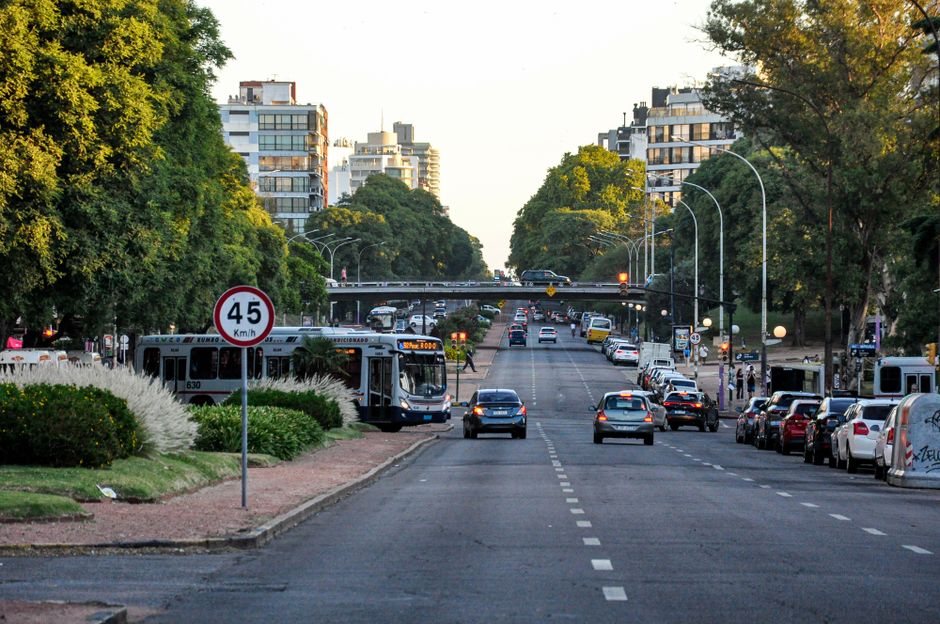
Before we dive into specific options, let's be real about what you're working with. Brazil is roughly the size of the continental United States—that's over 3.2 million square miles of territory. The country has decent infrastructure connecting major cities, but unlike Europe's ultra-efficient train systems, you're going to be mixing transportation types depending on where you're headed.
The good news? Brazilian transportation companies have figured out how to move millions of people affordably, and tourists absolutely benefit from this. Let's explore your cheapest options for getting around.
1. Long-Distance Buses: The Backbone of Budget Travel

Why Buses Are Your Best Friend
If you want to travel cheaply across Brazil, buses are going to be your workhorse. And I'm not talking about cramped, uncomfortable rides—Brazilian long-distance buses are actually pretty solid. We're talking reclining seats, onboard bathrooms, snack service, and sometimes entertainment systems. For major routes, you can expect a comfortable experience that actually justifies the low price.
A bus from Rio de Janeiro to São Paulo (roughly 350 miles) typically costs between $20-40 USD depending on the bus company and comfort level you choose. A 14-hour journey from São Paulo to Salvador? You're looking at $40-70. Compare that to a flight with hidden fees and airport transfers, and suddenly that bus seat looks pretty attractive.
Major Bus Companies and Booking Strategy
The biggest players are Greyhound-style services like Viação 1001, Cometa, and Buser. But here's where the real savings happen: use Clickbus or Passaredo (Brazilian booking platforms) instead of random company websites. These aggregators show you all available options, real-time prices, and often have loyalty discounts.
Pro tip for the jeito brasileiro of bus travel: book Tuesday through Thursday for the best prices. Weekend and holiday buses get expensive fast, especially on popular routes like Rio to São Paulo or flights from major hubs to beach destinations.
Best Bus Routes for Budget Travelers
- Southeast corridor: Rio → São Paulo → Belo Horizonte (connects beaches, cities, and mountain culture)
- Northeast coast: Salvador → Recife → João Pessoa (hits Bahia's cultural immersion, historic cities, and pristine beaches)
- South to wine country: São Paulo → Curitiba → Porto Alegre (connects São Paulo's urban energy with Southern Brazil's wine country and cooler climates)
2. Domestic Flights: Cheaper Than You'd Think

When Flying Actually Saves You Money
This might sound counterintuitive, but budget airlines in Brazil have made flying absurdly cheap for long-haul routes. If you're going from Rio to the Amazon (1,300 miles), taking a 20-hour bus journey doesn't make financial sense when you can fly with GOL or Azul for $60-120 round-trip during flash sales.
The trick? These aren't premium airlines with free checked bags. You're paying for the seat, and everything else is à la carte. But if you pack light and book strategically, flying can cost less than the bus when you factor in the time you're saving and potentially avoiding an extra night of accommodation.
How to Find Deals on Brazilian Flights
Skyscanner and Kayak work fine, but Brazilian travelers swear by Voopter and Decolar for domestic flights specifically. These platforms actually show you flash sales and last-minute deals from GOL, Azul, and Latam that international booking sites miss.
Sign up for email alerts on these platforms. Seriously. Brazilian airlines run surprise sales on Tuesday mornings, and if you're flexible about travel dates, you can catch flights for nearly what you'd pay for a bus ticket. The downside? Less flexibility and strict baggage limits, but for the price, it's often worth it.
3. Rideshare and Carpooling: The Social Way
Blablacar and the Rising Alternative
Blablacar operates in Brazil (called "Caronas" locally in some contexts, though Blablacar is the dominant platform), connecting drivers with empty seats to passengers heading the same direction. It's like Uber meets carpooling meets meeting actual Brazilian locals who actually know the best stops for street food and hidden beaches.
Prices are typically 20-30% cheaper than buses on the same route because you're splitting gas costs directly with a driver. A Rio to São Paulo journey might cost $15-25 per person. You'll also get legitimate cultural interaction—conversations in Portuguese (or English, depending on your driver), recommendations for where to eat, and that authentic Brazilian hospitality that makes travel memorable.
Safety and Logistics
Blablacar has ratings and review systems. Check driver profiles carefully—look for experienced drivers (lots of trips, good ratings) traveling during daylight hours for your first experiences. The platform is legitimate, well-established, and thousands of tourists use it without issues. That said, use basic travel sense: share your itinerary with someone at home, trust your gut about drivers, and avoid extremely late-night rides on unfamiliar routes.
4. Micro-Mobility and Local Transport: Cities and Regions
Getting Around Once You Arrive
Once you hit a destination, your transportation gets even cheaper. Brazilian cities have efficient public transit systems that cost $1-3 USD per ride. Rio's metro, São Paulo's subway and buses, Salvador's public transport—they're all affordable and designed for locals, which means they actually work reliably.
Many major cities now have bike-sharing programs (like Bike Itaú in São Paulo) and electric scooters that cost less than $2 per trip. For neighborhood exploration—visiting favela tours in Rio, finding the best açai bowls in Salvador, or checking out street art in São Paulo's Vila Madalena—these micro-mobility options let you explore like a local without tourism markups.
Taxis and Uber Considerations
Skip traditional yellow cabs (they're expensive and sometimes unwilling to use meters). Uber exists in major Brazilian cities and is generally cheaper than taxis, though surge pricing gets aggressive. For short city trips, public transit or walking is genuinely your best bet—many tourist zones are extremely walkable, and you'll discover the real Brazil by moving slowly through neighborhoods.
5. Combination Strategies for Maximum Savings
The Budget Traveler's Route Planning
Smart travelers mix transportation types. Here's a realistic example: fly into São Paulo (major hub with cheapest international flights), take a cheap bus to Belo Horizonte to explore colonial architecture and nearby natural attractions, rideshare down to Rio, then either bus or fly to a Northeast destination like Salvador or Recife depending on flash sales that week.
By mixing buses (cheap for medium distances), occasional budget flights (best for crossing major geographic sections), and rideshare (perfect for 2-6 hour regional hops), you'll spend 40-50% less than someone who flies between every destination.
Seasonal Timing Matters
Brazil's high season runs December-February (summer, Carnival season) and July (winter school holidays). Transportation prices double during these periods. Traveling in shoulder seasons—March-May or August-November—means cheaper transport across the board. You'll also avoid Carnival crowds while still accessing all the same beaches, culture, and natural wonders.
Regional Considerations: How Geography Changes Your Strategy
Amazon and Remote Areas
Getting to the Amazon requires different thinking. Buses don't work as well—you need flights to Manaus or boat transport. Budget flights to Manaus from São Paulo or Rio run $80-150. Once there, river transport becomes your primary option, and those prices vary widely. Plan 4-5 days minimum if you want authentic Amazon experiences without breaking the bank.
Southern Brazil and Wine Country
The south is compact and well-connected by buses. You can loop through São Paulo, Curitiba, and Southern Brazil's wine country (which rivals Argentina but remains cheaper for tourists) entirely by bus for $200-300 total, taking 2-3 weeks and hitting beaches, mountain towns, and wineries.
Northeast Beaches and Cultural Centers
The Northeast is a budget traveler's dream. You can island-hop between coastal towns using cheap buses and ferries. Cultural immersion opportunities—learning capoeira, exploring Afro-Brazilian heritage, attending live samba shows—are genuinely affordable when you skip tourist-trap restaurants and eat where locals eat.
Pro Tips You Need to Know
- Bus stations have food courts: Avoid overpriced airport and station restaurants. Brazilian bus stations (rodoviárias) have actual food courts with cheap, quality options. You'll eat better and spend less.
- Night buses save accommodation costs: Taking a 12-14 hour overnight bus means skipping one night's hotel. The trade-off is sleep quality, but many budget travelers find this worth it occasionally.
- Download offline maps: Connections between transport hubs aren't always obvious. Google Maps offline mode is essential—you'll navigate confidently without relying on airport transfers or tourism booths.
- Tourist passes don't usually exist: Unlike Europe's rail passes, Brazil doesn't have tourist transportation passes. Book individually for best prices.
- Portuguese helps but English works: Major bus stations have English speakers. Booking platforms are available in English. You'll be fine as a non-Portuguese speaker, though learning basic phrases enhances the experience considerably.
Real Costs: What You'll Actually Spend
Let's put this in perspective. A month-long Brazil trip moving between major destinations using budget strategies might look like:
- Initial flights (São Paulo arrival, regional flights): $400-600
- Buses and rideshare: $250-400
- Local public transit: $50-100
- Total transportation for a month: $700-1,100
Compare that to flying between every major destination, and you're looking at $2,000+ in flights alone. The bus-heavy approach isn't just cheaper—it's actually how most Brazilians travel, which means you'll experience the country more authentically than tourists hopping between hotels via private transfers.
Common Transportation Mistakes to Avoid
Don't assume all buses are equal—comfort levels vary wildly. "Leito" (bed-style reclining seats) costs more but is worth it for overnight journeys. "Convencional" (standard) buses are basic but fine for 4-6 hour trips.
Don't book through tourism agencies—their markups are enormous. Always book directly through company websites, Clickbus, or official platforms.
Don't travel to remote areas alone at night without local knowledge. While Brazil's major routes are safe and well-traveled, some regional connections require judgment about timing and route choice.
Your Action Plan for Getting Around
Before your trip, download Clickbus, Blablacar, and your local transit app for your first destination. Research bus routes between your planned cities—most journeys have 2-3 daily departures. Check flight sales on Voopter the week before you arrive in Brazil, looking specifically for routes you weren't planning to fly on (sometimes a cheap flight makes a detour worthwhile).
Book your first few bus journeys from home. This gives you confidence about the system. After that, you can be more flexible and take advantage of last-minute deals as they appear.
Most importantly: embrace the journey itself. Brazilian buses aren't just transportation—they're where you'll meet other travelers, listen to Brazilian music and radio, watch the landscape shift from coastal cities to mountains to rainforest. The cheap transportation isn't a sacrifice; it's part of experiencing Brazil authentically.
Your money stretches further, you see more, and you actually understand how this enormous, diverse country connects itself together. That's worth more than any flight savings.
Ready to explore Brazil without the budget stress? Start planning your route today using the strategies above, and share your cheapest transportation finds with us in the comments. Have you discovered transportation hacks in Brazil that saved you money? Let's hear about them.
Frequently asked questions
Is it really cheaper to take a bus across Brazil than to fly between cities?
It depends on distance and timing. For medium routes like Rio to São Paulo, buses are affordable and comfortable. For long distances like Rio to the Amazon (1,300 miles), budget flights can actually cost less when you factor in time saved and avoided accommodation costs. The key is booking strategically—flash sales on GOL or Azul sometimes match bus prices for major routes.
What's the best way to find cheap bus tickets in Brazil?
Use aggregator platforms like Clickbus or Passaredo instead of individual company websites—they show all available options and real-time pricing. Book Tuesday through Thursday for the best prices, since weekend and holiday buses get expensive fast. Major companies include Viação 1001, Cometa, and Buser.
Is Blablacar safe to use as a tourist in Brazil?
Blablacar is legitimate and well-established, with ratings and review systems. Check driver profiles carefully, prioritizing experienced drivers with good ratings who travel during daylight hours. Share your itinerary with someone at home and trust your gut about drivers. The platform connects thousands of tourists safely, though basic travel sense applies.
How much should I budget for transportation if I'm traveling around Brazil for a month?
Using budget strategies, expect roughly $700-1,100 for transportation over a month, including initial flights, buses, rideshare, and local transit. This breaks down to about $400-600 for flights and regional connections, $250-400 for buses and rideshare, and $50-100 for local public transit in cities.
When is the cheapest time to travel around Brazil using these transportation methods?
Travel during shoulder seasons—March through May or August through November—when transportation prices are significantly lower than high season. High season runs December through February and July, when prices double across buses, flights, and rideshare. You'll still access all the same beaches, culture, and natural attractions at a fraction of the cost.


Comments
Post a Comment