Can You Learn Pottery at Brazilian Craft Workshops While Traveling?
If you're planning a trip to Brazil and looking for something beyond the typical beach days and city sightseeing, here's a question that might transform your entire travel experience: what if you could actually make something with your own hands during your vacation? Not just buy a souvenir, but create one yourself?
Brazilian pottery and handicraft workshops for tourists are becoming one of the most rewarding ways to experience the country's authentic culture. Whether you're a complete beginner or someone who's dabbled in crafts before, these hands-on experiences offer something you simply won't find in a gift shop. You'll walk away not just with a tangible piece of art, but with stories, new skills, and a genuine connection to Brazilian artisans and their centuries-old traditions.
Let's dive into everything you need to know about immersing yourself in Brazil's vibrant pottery and handicraft scene.
Why Brazilian Pottery Workshops Are Worth Your Travel Time

Brazil's pottery tradition runs deep. Long before colonial times, indigenous communities were shaping clay into functional and ceremonial vessels. Today, that heritage blends with modern techniques and contemporary styles, creating workshops that feel authentic yet welcoming to foreigners.
Here's what makes these experiences different from typical tourism:
- Cultural immersion that goes beyond observation—you're actually participating
- Direct interaction with skilled artisans who've spent decades perfecting their craft
- Understanding the "jeito brasileiro" (the Brazilian way) of approaching creativity and problem-solving
- Support for local communities and small businesses, not massive hotel chains
- A personalized souvenir that carries your own energy and effort
Unlike rushing through a museum or checking boxes on a tour itinerary, pottery workshops let you slow down. You're in a creative space where mistakes become learning opportunities, where hands get dirty in the most satisfying way, and where you'll likely laugh at yourself while discovering unexpected talent.
Where to Find the Best Pottery Workshops Across Brazil

Northeast Brazil: Bahia and Pernambuco's Clay Traditions
The Northeast deserves serious consideration if pottery is on your radar. Salvador and Recife host some of the country's most renowned pottery centers, where generations of families have maintained traditional techniques passed down through African, indigenous, and Portuguese influences.
In Bahia specifically, you'll find workshops in the historic neighborhoods where artisans work in small studios filled with natural light, the smell of wet clay, and the sound of hands shaping traditions. Many workshops offer afternoon sessions specifically designed for tourists—typically 2-3 hours where you'll learn basic hand-building or wheel techniques.
The beauty here? You're not in a sterile, commercialized "craft experience center." You're in actual working studios where locals also shop for their own home décor and functional pieces.
Minas Gerais: Mountain Pottery and Soapstone Carving
If you're visiting the historic colonial cities of Minas Gerais—and you absolutely should—pottery workshops pair perfectly with your cultural itinerary. Towns like Ouro Preto, Tiradentes, and Congonhas have artisan communities that date back centuries.
What's unique here is the regional style. Minas pottery often features earthy tones, geometric patterns inspired by colonial design, and functional pieces like traditional cooking pots used in authentic Brazilian cuisine. You'll also encounter soapstone carving workshops—a regional specialty where artisans create everything from decorative pieces to nativity scenes.
Pro tip: Many pottery workshops in Minas Gerais operate on a flexible schedule. Simply ask your hotel owner or a local guide, and they'll connect you with artisans. This off-the-beaten-path approach often leads to the most genuine experiences.
São Paulo: Contemporary Ceramics Meets Street Art Culture
The Southeast's creative capital has evolved beyond traditional pottery. São Paulo's craft scene blends ancestral techniques with modern artistic movements. You'll find workshops in neighborhoods like Vila Madalena and Pinheiros where potters are experimenting with form, color, and sustainability.
These workshops often run regular sessions for visitors and tend to be more structured than their Northeast counterparts—think scheduled class times, detailed instruction in English, and smaller group sizes. It's a different vibe, more aligned with contemporary art spaces than rustic village studios.
Amazon Region: Indigenous-Inspired Ceramics
If you're already deep in the Amazon exploring nature and indigenous culture, several lodges and community centers offer pottery experiences rooted in indigenous traditions. These workshops carry particular significance because they support indigenous communities directly and help preserve ancestral knowledge.
The pieces you create here often incorporate symbolic designs and natural clay sources sourced sustainably from the region. It's pottery with purpose.
What to Actually Expect During a Pottery Workshop
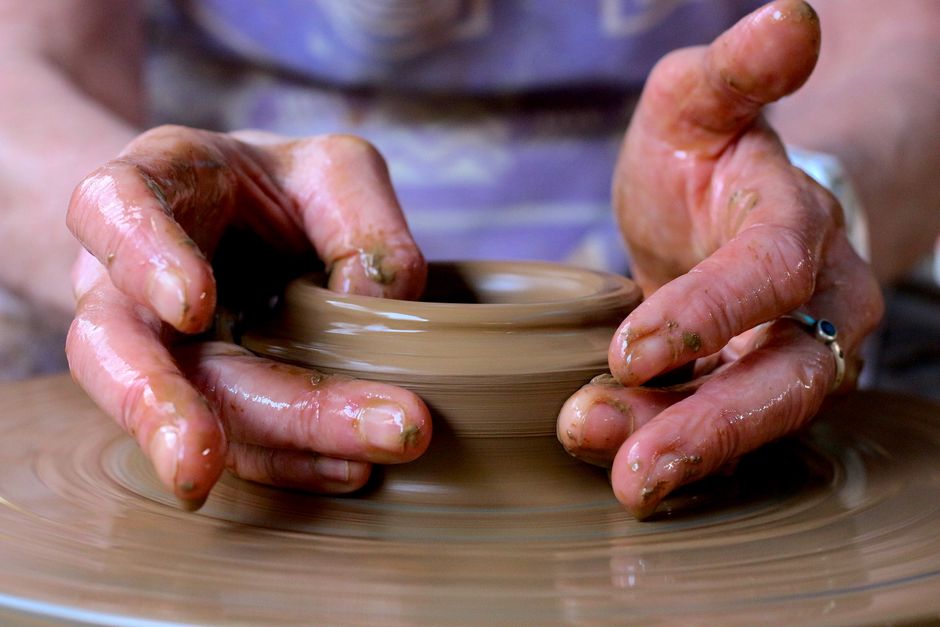
The Beginner-Friendly Reality
Here's the honest truth: you don't need experience. Seriously. Brazilian pottery workshops for tourists are structured for complete beginners, and instructors are incredibly patient. They've taught hundreds of visitors with zero prior knowledge, and they've developed methods that work.
Most workshops start with a brief introduction to clay itself—where it comes from in Brazil, how it's prepared, why different clays have different properties. Then you'll move into hands-on work. Depending on the workshop, you might:
- Hand-build a simple bowl or plate using coil or pinch techniques
- Try the pottery wheel (this is where things get fun—and humbling)
- Decorate and glaze finished pieces
- Learn about traditional firing methods
Important detail: Your creation won't be fired during the session. Firing takes days or weeks. Most workshops will either ship your finished piece to your home address, hold it for pickup if you're staying locally, or coordinate with your hotel. Some tourists even return to Brazil specifically to pick up their finished work. Yes, it happens.
Time Commitment and Cost
Workshop lengths vary widely:
- Short sessions (2-3 hours): Usually $30-60 USD. You'll create one piece and get an introduction to basic techniques.
- Half-day workshops (4-5 hours): Typically $60-100 USD. More time to experiment, maybe create two pieces.
- Full-day intensives (6-8 hours): Generally $100-150 USD. This includes lunch, much more detailed instruction, and often a tour of the studio or related artisan spaces.
- Multi-day courses: $200-400+ USD for 3-5 days. Serious learning for enthusiasts who want to develop actual skills.
These prices are significantly cheaper than comparable workshops in the United States or Europe, and you're often supporting small artisans directly.
Combining Pottery Workshops With Other Brazilian Experiences
Here's where trip planning gets creative. Pottery workshops fit beautifully into larger travel itineraries:
Cultural Immersion Packages
Pair a pottery workshop with capoeira classes, visits to street art neighborhoods, and meals at hole-in-the-wall restaurants serving authentic Brazilian food. You're getting cultural experiences that stack meaningfully throughout your trip.
Regional Tourism Routes
If you're doing a historic Minas Gerais itinerary, add a pottery workshop to your schedule between town visits. It breaks up the sightseeing and connects you more deeply to the region's living heritage, not just its architecture.
Natural Adventure Integration
Adventure seekers heading to the Amazon, Pantanal wetlands, or Atlantic Forest regions can bookend their nature experiences with craft workshops in nearby towns. It's balance—intense nature immersion, then thoughtful, meditative creativity before or after.
Gastronomic Travel
Since Brazilian pottery has deep connections to food culture, some workshops partner with local cooking classes. You might create a handmade bowl in the morning, then cook traditional Brazilian cuisine and eat from it that evening. That's the kind of experience that stays with you.
Practical Tips for Your Workshop Experience
Book in advance, especially during peak season. December through February and July are busy. Many workshops accept only small groups to maintain quality, so spots fill quickly.
Wear clothes you don't mind getting dirty. Clay is forgiving in most ways, but it stains. An apron is usually provided, but your hands, arms, and potentially your lap will get messy. Embrace it.
Ask about shipping logistics before you start. Understand exactly how your finished piece will be handled, what the shipping costs are (especially to the US), and realistic timelines. Some workshops charge extra for international shipping; some include it.
Go in without perfection expectations. Your first pottery experience isn't about creating gallery-quality work. It's about the process, the connection with the artisan, and the joy of making something with your hands. The "imperfections" are often what make handmade pieces beautiful.
Learn a few Portuguese phrases. Even basic greetings and "thank you" (obrigado/obrigada) mean everything to instructors. Many speak English or Spanish, but showing effort with Portuguese is always appreciated and deepens the cultural exchange.
Ask questions about sustainability and sourcing. Good workshops are transparent about where their clay comes from, how they manage waste, and their environmental practices. This information matters, especially if supporting ethical tourism is important to you.
Beyond Pottery: Other Brazilian Handicraft Workshops Worth Exploring
While pottery is the main focus, Brazil's artisan traditions extend further:
- Weaving workshops in the Northeast, where you'll learn traditional textile techniques using natural dyes
- Woodcarving studios in rural areas where artisans create everything from functional spoons to intricate figurines
- Jewelry-making classes often available in coastal towns, sometimes using locally-sourced materials
- Basket weaving experiences in indigenous and Afro-Brazilian communities
- Leatherworking workshops in regions with strong gaucho heritage (southern Brazil)
Many tourists combine several craft experiences during their trip, creating a comprehensive handmade souvenir collection with stories attached to each piece.
The Real Takeaway: Memories Over Merchandise
Here's what happens when you participate in a Brazilian pottery workshop: you don't just leave Brazil with another ceramic bowl. You leave with muscle memory in your hands, a story about the artisan who guided you, and a tangible reminder that you did something creative and challenging on your vacation.
That bowl sits in your kitchen or on a shelf, and every time you see it, you remember the texture of the clay, the sound of the studio, the moment your hands finally cooperated with the wheel, or the way your instructor laughed when you confidently created something completely unexpected.
That's the difference between tourism and travel. That's what transforms a trip into an experience you'll actually remember and want to tell people about for years.
Ready to Get Your Hands Dirty?
Start planning your pottery workshop experience now. Research artisans and studios in the regions you're visiting, check availability and booking requirements, and don't overthink it. Brazil's pottery and handicraft community welcomes visitors with open hands and genuine hospitality.
Whether you're heading to the beaches of the Northeast, the historic cities of Minas Gerais, the creative energy of São Paulo, or the untamed Amazon—there's a pottery workshop waiting to welcome you into the meditative, joyful practice of creating something beautiful with your own two hands.
Have you participated in a pottery workshop or craft experience while traveling? Share your story in the comments below—we'd love to hear what you created and which Brazilian artisan community inspired you!
Frequently asked questions
Will my pottery piece be finished and ready to take home during the workshop?
No, your creation won't be fired during the session itself. Firing takes days or weeks, so most workshops will either ship your finished piece to your home address, hold it for pickup if you're staying locally, or coordinate with your hotel. Some tourists even return to Brazil later specifically to collect their completed work.
Do I need any pottery experience to join a workshop in Brazil?
Not at all. Brazilian pottery workshops for tourists are specifically structured for complete beginners, and instructors are incredibly patient with visitors who have zero prior knowledge. They've developed methods that work well for first-time participants, whether you're hand-building or trying the pottery wheel.
How long does a typical pottery workshop last and what should I expect to pay?
Workshops vary widely in length and cost. Short sessions run 2-3 hours for $30-60 USD, half-day workshops are 4-5 hours for $60-100 USD, and full-day intensives last 6-8 hours for $100-150 USD including lunch. Multi-day courses for more serious learners range from $200-400+ USD for 3-5 days.
Which regions of Brazil offer the best pottery workshop experiences?
The Northeast, particularly Bahia and Pernambuco, offers pottery rooted in African, indigenous, and Portuguese influences. Minas Gerais features colonial-inspired styles and soapstone carving. São Paulo provides contemporary ceramics experiences blending ancestral techniques with modern art movements. The Amazon region offers indigenous-inspired ceramics that support indigenous communities directly.
Can I combine a pottery workshop with other activities during my Brazil trip?
Absolutely. You can pair pottery workshops with capoeira classes and street art tours for cultural immersion, combine them with historic city visits in Minas Gerais, bookend them around nature adventures in the Amazon or Atlantic Forest, or even partner them with cooking classes to prepare Brazilian cuisine in bowls you've created yourself.


Comments
Post a Comment