Surfing Lessons Santa Catarina: Where Beginners Become Wave Riders
There's something magical about standing on a surfboard for the first time, feeling the ocean's power beneath your feet while the Brazilian sun warms your shoulders. If you've ever daydreamed about learning to surf, Santa Catarina is calling your name. This southern Brazilian state has quietly become one of South America's most legitimate surf destinations, and unlike some tourist traps that sell you Instagram moments instead of real skills, the surf schools here actually deliver genuine instruction with authentic local flavor.
Whether you're a complete beginner or someone who's watched too many surfing documentaries and finally decided to take the plunge, Santa Catarina offers the perfect combination of accessible waves, expert instructors, and that relaxed jeito brasileiro (Brazilian way) that makes learning feel less like a fitness class and more like an adventure with friends.
Why Santa Catarina Is Your Ideal Surfing Classroom

Let's be real—when most people think about learning to surf in Brazil, they imagine Rio's famous breaks where the pros play. But here's what locals know: Santa Catarina's southern location on Brazil's Atlantic coast creates consistent, learner-friendly conditions that Rio simply can't match year-round. The state has over 400 kilometers of coastline with dramatic cliffs, hidden coves, and beaches that range from crowded hub spots to wonderfully empty stretches where you'll feel like you've discovered your own personal paradise.
The water temperature stays warm enough that you won't need a wetsuit most of the year—typically between 68-75°F (20-24°C)—which means less gear to buy and more comfort while you're learning. Plus, unlike some surfing destinations where you need advanced skills just to paddle out safely, Santa Catarina has genuinely beginner-friendly breaks that progress naturally as your abilities improve.
The Perfect Season for Learning
Timing matters when you're planning your surf adventure. The best conditions for lessons typically run from October through March (Southern Hemisphere spring and summer), when you'll find smaller, more manageable swells alongside plenty of sunshine. The water's warmest during February and March, though honestly, December through April is essentially perfect for beginners. If you're traveling in the cooler months of June through August, the swells get bigger and the water colder, which means fewer tourists but also more challenging conditions—better suited for surfers who already know their way around a board.
Santa Catarina's Best Surfing Spots for Beginners
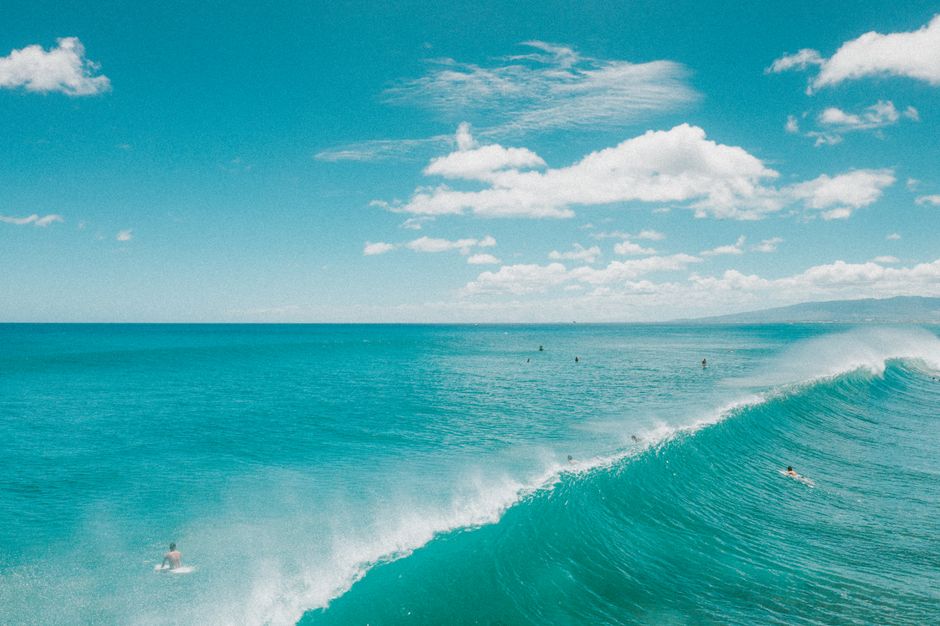
Bombas Beach: The Friendly Giant
Bombas consistently ranks as the go-to spot for beginners, and there's a reason locals keep sending newcomers here. The beach has a gentle, sandy bottom that creates forgiving, rolling waves perfect for learning the fundamentals. Several established surf schools operate right from the beach, and the town has developed a genuinely welcoming vibe without losing its authenticity. You'll find accommodation ranging from budget pousadas to mid-range beachfront hotels, and the local restaurants serve excellent fresh seafood and traditional Brazilian fare without the tourist markup you'd pay in Rio or São Paulo.
The community here actually cares about progression—instructors know many students by name, remember where they were last session, and genuinely celebrate when someone catches their first real wave. That matters more than you'd think.
Praia Brava: Where Calm Meets Scenic Beauty
If Bombas feels too busy on peak days, Praia Brava offers a quieter alternative with equally beginner-friendly conditions. This beach sits in a protected bay with dramatic rock formations framing the coastline—seriously, the landscape alone is worth the trip. The waves here tend to be slightly smaller and more predictable than Bombas, which some instructors actually prefer for absolute beginners who need to build confidence. The beach rarely gets uncomfortably crowded, even during Brazilian school holidays.
Ingleses Beach: Balancing Waves and Scene
Located near Florianópolis (the state capital), Ingleses Beach combines accessible waves with a genuine beach town atmosphere. This isn't a remote, undiscovered spot—it's more developed than Bombas—but that accessibility means better restaurants, more accommodation options, and honestly, a younger international crowd that makes finding friends in your skill level easier. If you're combining your surf lesson with some urban exploration, Florianópolis offers colonial architecture, excellent seafood markets, and coastal hiking trails that absolutely deliver on breathtaking landscapes.
What to Expect From Surf Lessons in Santa Catarina

Lesson Structure and Progression
Most reputable surf schools in Santa Catarina follow a logical progression that actually works. Your first session typically includes beach instruction where you'll learn positioning, pop-up technique (that crucial moment when you spring from lying down to standing), balance, and safety basics. This happens on dry land before you touch the water—good schools do this because it's genuinely more efficient than flailing around in the ocean.
Once you're in the water, the instructor stays close, helping you paddle into waves, coaching your pop-up, and ensuring you understand the mechanics. Quality schools keep groups small—ideally 3-4 people maximum per instructor—because learning to surf isn't like learning to cook; you need personalized feedback. Expect your first lesson to last 1.5 to 2 hours, which sounds short but is actually perfect because you'll be exhausted (in a good way) and your muscles will have absorbed plenty of new patterns.
Package Options and Pricing
Single lessons typically run R$120-180 (roughly $24-36 USD), though this varies based on the school's reputation and whether you're renting a board separately. Most schools offer multi-day packages at better rates—a 5-day intensive usually costs around R$500-750 ($100-150 USD), which breaks down to about $20-30 per lesson. Package rates make sense if you're staying for a week or longer, because surfing really clicks after 3-4 sessions; that's when your body starts anticipating movements instead of questioning them.
Board rental runs about R$30-50 per day ($6-10 USD) if you're not buying, though some schools include it in lesson packages. Wetsuits are rarely necessary except in winter months, which saves you money and hassle.
Local Instructor Quality
Here's where Santa Catarina really shines compared to tourist-focused alternatives: many instructors are lifelong local surfers who genuinely care about the sport and teaching it properly. They're not just college kids working a summer gig. These are people who grew up riding these waves, understand the local conditions intimately, and take pride in building real skills rather than just giving tourists a fun afternoon.
That said, do your research. Check reviews on platforms like TripAdvisor and Google, ask at your accommodation for recommendations, and don't be shy about asking an instructor about their experience. Good schools have instructors who can explain the "why" behind techniques, not just show you the "what."
Beyond Lessons: The Full Santa Catarina Experience
Combining Surf With Coastal Exploration
Your surf trip doesn't have to be only about surfing. Santa Catarina's coast offers incredible variety. Hike to hidden beaches accessible only on foot. Explore tide pools teeming with marine life. Visit charming fishing villages where you can buy fresh fish directly from boats and eat it grilled for dinner—that's genuine cultural immersion without the "favela tour" feeling.
If you're based in Florianópolis, the island itself has over 40 beaches within relatively short distances, each with slightly different vibes. You could surf in the morning and spend the afternoon at a completely different beach exploring tide pools or simply relaxing with an açai bowl and fresh coconut water.
Local Food and Surf Town Culture
After a morning lesson, you'll be genuinely hungry. Santa Catarina's gastronomic scene reflects its coastal culture—exceptional seafood prepared simply and well. Try peixe frito (fried fish) with fresh lime, regional empanadas filled with shrimp or crab, and local camarones (shrimp). The breakfast culture is strong too; many beach towns offer tapioca crepes, fresh fruit, and strong Brazilian coffee that'll either energize you or keep you buzzing for hours.
The surf towns themselves, particularly Bombas and Praia Brava, maintain a laid-back atmosphere where surfers, locals, and travelers mix naturally. You'll meet people from everywhere—German families taking lessons, Australian expats who've stayed for years, Brazilian university students on holiday—and somehow the shared experience of learning waves creates an immediate community feeling.
Adventure Beyond Waves
If you have extra time and want to maximize your Southern Brazil experience, the Atlantic Forest (Mata Atlântica) surrounds many coastal areas. Several state parks offer guided hiking through lush, biodiverse jungle that feels genuinely remote despite being relatively close to populated beaches. You'll see waterfalls, exotic birds, and landscapes so green they make you reconsider everything you thought you knew about Brazil.
Practical Preparation for Your Surf Adventure
What to Bring and What to Skip
Pack reef shoes or water shoes—the Atlantic has rocky areas and sea urchins that don't play nice with bare feet. Bring high-SPF sunscreen (the southern sun is intense and deceptive), a light rash guard for your first few days to prevent board rash (a legitimate concern when you're learning), and basic toiletries since sunscreen and lip balm are pricier in smaller beach towns.
Skip heavy luggage. You'll be wet frequently, and dragging a large suitcase through sandy beach towns gets old fast. Bring one carry-on sized bag plus a day pack, and trust that beach towns have laundry services cheap enough to make it worthwhile.
Getting There and Getting Around
Most surfers fly into Florianópolis or Navegantes, both of which have international airports with connections from major US cities through São Paulo or Rio. From the airport, buses connect to beach towns—about 1-2 hours to Bombas or Praia Brava. Alternatively, rental cars offer flexibility if you want to explore multiple spots during your stay, though local buses and rideshare apps are reliable and significantly cheaper.
Budget Planning
A realistic weekly surf trip budget: flights ($400-800 depending on season), accommodation in mid-range pousadas ($30-60/night), lessons and board rental ($150-200 total), food ($20-30/day eating locally), and miscellaneous expenses ($50-100). You can absolutely do it cheaper by staying in hostels, or spend more for beachfront hotels—but the sweet spot is probably $1,200-1,600 for a week including flights from the US.
Making Your First Wave Count
Here's the honest truth about learning to surf: it's harder than it looks, more rewarding than you'd expect, and genuinely transformative in ways that have nothing to do with Instagram aesthetics. In Santa Catarina, you're not just checking a bucket-list item; you're engaging with a real surfing culture in a place where the sport genuinely matters to local communities.
The moment you catch your first real wave—not with an instructor pushing you, but actually paddling into it yourself and feeling the ocean's power beneath your board—something shifts. You understand why surfers talk about "the jogo bonito" of surfing, that beautiful game that keeps them coming back.
Santa Catarina gives you the perfect stage for that moment. The waves are forgiving enough to learn on, the instructors are genuinely skilled, the food is incredible, and the people are warm without being performed for tourists. You're getting an authentic experience in a destination that deserves way more attention than it gets.
Your Next Move
Stop planning and start booking. Choose your dates around the October-to-March window, pick one of the beginner-friendly beaches, research a few surf schools via reviews, and commit to at least 3-5 lessons. That's the minimum for real progress. Pack light, bring sunscreen, and prepare for sore shoulders and a genuine smile that won't fade when you realize you actually did it—you learned to surf in one of South America's best-kept secrets.
The Atlantic is calling. Your board is waiting. What are you waiting for?
Frequently asked questions
Why is Santa Catarina better for beginner surfers than Rio de Janeiro?
Santa Catarina's southern location creates consistent, learner-friendly conditions year-round that Rio can't match. The state has genuinely beginner-friendly breaks with sandy bottoms that progress naturally as you improve, plus water temperatures warm enough to skip wetsuits most of the year. Rio's famous breaks are better suited for advanced surfers.
What's the best time of year to take surf lessons in Santa Catarina?
October through March offers ideal conditions for beginners, with smaller manageable swells and plenty of sunshine. December through April is essentially perfect, with the warmest water temperatures in February and March. Winter months bring bigger swells and colder water, making conditions more challenging for those just starting out.
How many lessons do I actually need to see real progress?
The article recommends at least 3 to 5 lessons as the minimum for genuine progress. After 3-4 sessions, your body starts anticipating movements instead of questioning them, and that's when surfing really clicks. A single lesson lasts 1.5 to 2 hours, which is ideal because you'll be absorbing new patterns without overdoing it.
Do I need a wetsuit and special equipment to start surfing in Santa Catarina?
Wetsuits are rarely necessary except during winter months, which saves you money and hassle. You should bring reef shoes or water shoes for protection, high-SPF sunscreen, and a light rash guard for your first few days. Board rental is included in many lesson packages or available separately, so you don't need to buy one to start.
What should I realistically budget for a week-long surf trip to Santa Catarina?
A realistic weekly budget ranges from $1,200 to $1,600 from the US, which includes flights ($400-800), mid-range pousada accommodation ($30-60 per night), lessons and board rental ($150-200 total), local food ($20-30 daily), and miscellaneous expenses ($50-100). You can spend less with hostels or more with beachfront hotels, but the sweet spot is mid-range accommodation.


Comments
Post a Comment