Why Does Brazil's Carnival Explode Beyond Rio's Famous Streets?
Listen, if you're imagining Carnival as just samba dancers on Rio's iconic stages and crowded beaches, you're missing the real magic. Brazil's Carnival isn't a one-city show—it's a national phenomenon that transforms the entire country into a celebration of music, culture, and pure joy. And honestly? Some of the wildest, most authentic, and downright unforgettable Carnival experiences happen nowhere near Copacabana.
The truth is, each region brings its own jeito brasileiro to the party. While Rio's Carnival gets all the international spotlight, cities across Brazil are throwing celebrations that are just as energetic, often more intimate, and frequently way more accessible to travelers who want to experience the real heart of Brazilian culture. In 2026, if you're planning your Carnival adventure, you need to know that the biggest mistake you could make is limiting yourself to just one destination.
The Northeast Owns Carnival Culture Like No Other Region
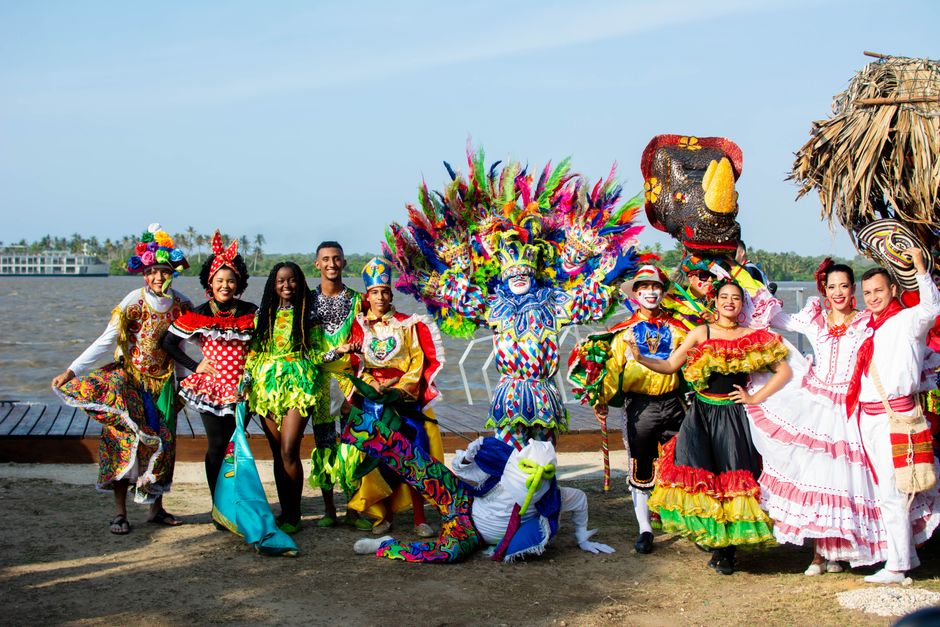
When we talk about Carnival's soul, we're talking about Brazil's Northeast. This region doesn't just celebrate Carnival—it practically invented modern Carnival culture. Cities here have been perfecting their festivals for decades, creating traditions that are deeply woven into local identity and community pride.
Salvador: Where Carnival Lives Year-Round
Salvador isn't just throwing a party for a few days in February or early March. This city is Carnival incarnate. The energy here is absolutely different from Rio's more commercialized celebration. In Salvador, you'll find massive stages called "trios elétricos"—these are basically moving party platforms loaded with musicians and sound systems that cruise through the streets while thousands of people dance alongside them.
The Bahian Carnival is chaotic in the best way possible. Street blocos (organized parade groups) represent neighborhoods and cultural movements, and anyone can join. You'll see tourists dancing next to locals, everyone moving to rhythms that blend traditional samba with forró, tropicália, and axé music that's uniquely Bahian. The famous Barra-Ondina circuit is where most visitors find themselves, but honestly, the real experience comes when you wander into neighborhood blocos in Pelourinho or Liberdade.
Pro tip: The energy in Salvador hits different because it's less about passive observation and more about active participation. You're not watching Carnival; you're living it.
Recife and Olinda: The Intellectual's Carnival
Recife and its neighbor Olinda represent a completely different flavor of Carnival celebration. If you visit here, you'll experience a more traditional, artistically-focused festival that emphasizes creativity, regional folklore, and genuine cultural expression over massive production budgets.
The signature tradition here is the "frevo"—an umbrella dance accompanied by brass band music that's been central to Pernambuco's Carnival for over a century. Watching hundreds of people twirling colorful umbrellas while orchestras play energetic frevo melodies is mesmerizing. It's intricate, it's artistic, and it tells the story of Northeastern Brazil's cultural heritage.
Olinda's historic center, with its colonial architecture and cobblestone streets, becomes a living museum during Carnival. The atmosphere is festive but feels more connected to tradition than pure spectacle. If you're interested in cultural immersion rather than massive party scenes, Olinda should be on your radar.
The Amazon's Unique Take on Tropical Celebration
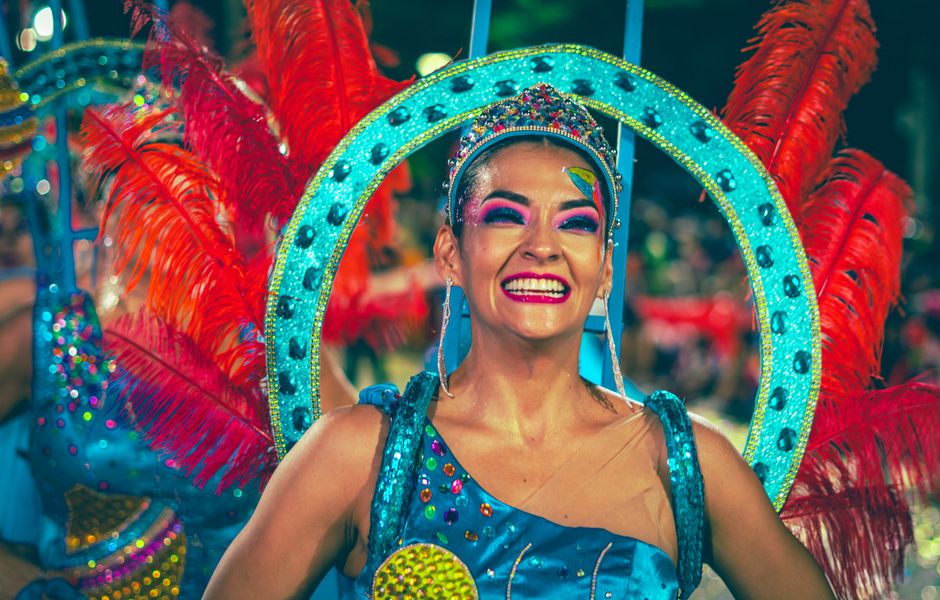
Manaus: Festival in the Heart of the Jungle
Here's something that catches most travelers off guard: Manaus celebrates Carnival with its own distinct character shaped by Amazon culture and indigenous influences. While it doesn't get the international attention of Rio or Salvador, the Manaus Carnival is incredibly vibrant and authentically regional.
The festival features stunning parade floats that incorporate Amazonian themes, indigenous crafts, and tropical motifs. You'll see performances blending traditional indigenous music with modern samba, creating something that feels distinctly of the Amazon. The celebration is more manageable crowd-wise than Rio, which means you can actually move around and experience different stages and blocos without getting completely swallowed by masses of people.
If you're already planning an Amazon adventure, timing it with Carnival gives you the best of both worlds: jungle exploration during the day and evening celebrations that showcase regional culture in ways you won't see anywhere else in Brazil.
Southern Brazil's Different Rhythm
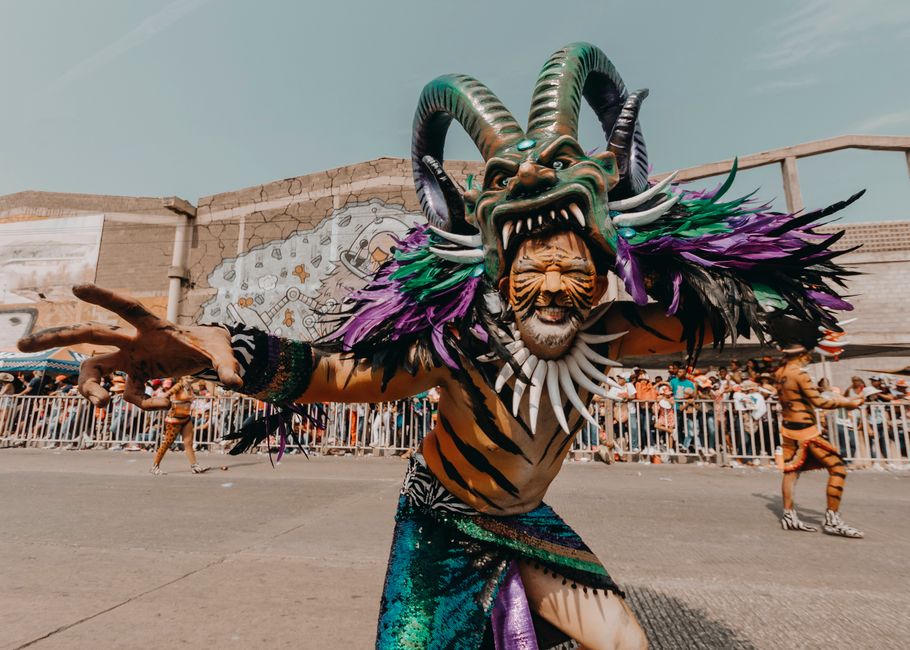
Why the South Celebrates Differently
The Southern states—Santa Catarina, Rio Grande do Sul, and Paraná—have European immigration heritage that shaped their cultural identity differently from the rest of Brazil. Their Carnival celebrations reflect this, featuring stronger influences from German and Italian traditions mixed with Brazilian elements.
Cities like Blumenau and Joinville in Santa Catarina host Carnivals that feel more like European festivals with Brazilian flair. You'll see precision dancing, elaborate costumes with European-influenced designs, and a more structured, choreographed approach to the parade competitions. It's absolutely worth experiencing if you want to understand how diverse Brazil's celebration traditions really are.
Making Your 2026 Carnival Choice
Consider What Experience You Actually Want
Here's the real question: What draws you to Carnival? Are you chasing the energy of thousands dancing together? Do you want to learn about specific cultural traditions? Are you looking for something less touristy and more connected to local community? Your answer determines where you should go.
Choose Rio if: You want the most famous experience, love massive production quality, and don't mind crowds and higher costs. The samba school competitions are genuinely spectacular.
Choose Salvador if: You want authentic street-level Carnival energy, active participation, and connection to Bahian culture specifically. This is where Carnival feels most alive and participatory.
Choose Recife/Olinda if: You're interested in traditional regional culture, historical settings, and artistic expression. The experience is more intimate and culturally grounded.
Choose Manaus if: You're already exploring the Amazon and want to experience regional Carnival with indigenous influences and smaller crowds.
Choose the South if: You're fascinated by how European immigration shaped Brazilian culture and want to see Carnival through a different regional lens.
Practical Logistics for Multi-City Carnival
Here's something smart travelers do: visit multiple Carnival celebrations. Brazil's domestic flight network makes this totally feasible. You could spend three days in Salvador, fly to Recife for two days, then head to Rio for the Sambadrome competition. You'd experience the full spectrum of how Brazil celebrates across regions.
Book accommodations early—like, right now in 2026 if you're planning ahead. Carnival weeks fill up everywhere, and prices spike. Consider staying in neighborhoods slightly outside the main tourist zones; you'll find better values and more authentic local experiences.
The Deeper Truth About Regional Carnivals
What makes Carnival celebrations beyond Rio genuinely special is that they're rooted in community identity. In Salvador, you're witnessing Bahian pride. In Recife, you're seeing traditions passed down through families and neighborhoods for generations. In Manaus, you're experiencing how the Amazon culture finds expression through celebration.
These aren't secondary versions of Rio's Carnival. They're different expressions of the same Brazilian spirit—the ability to transform ordinary time into extraordinary celebration, to bring entire communities together regardless of background or circumstances, and to express joy through music, movement, and collective energy.
That's the jeito brasileiro at its best.
Your Next Carnival Adventure Awaits
So here's the deal: Yes, Rio's Carnival is iconic and worth experiencing at least once. But if you want to understand what Carnival really means to Brazil, venture beyond the famous beaches and stages. Explore the Northeast, consider the Amazon, or discover how the South celebrates. Each region tells you something different about Brazilian culture, community, and the universal human need to celebrate life together.
Start planning your 2026 Carnival adventure now. Research blocos in your chosen city, book accommodation early, pack comfortable shoes (you'll be dancing a lot), and prepare for an experience that will completely change how you understand Brazilian culture. Whether you choose Salvador's electric streets, Olinda's historic charm, Manaus's tropical celebration, or Rio's world-famous production, you're in for something unforgettable.
Ready to experience the real Brazil during Carnival? Drop a comment below telling us which region calls to you most, and share your best tips for making the most of Carnival celebrations beyond Rio. Your fellow travelers are waiting to hear from you!
Frequently asked questions
Is Rio de Janeiro really the best place to experience Carnival in Brazil?
Rio's Carnival is iconic and worth experiencing at least once, but it's not necessarily the best—it just gets the most international attention. The article explains that other regions offer equally energetic celebrations that are often more intimate, more accessible, and more connected to authentic local culture. Your best choice depends on what kind of experience you're actually looking for.
What makes Salvador's Carnival different from Rio's celebration?
Salvador's Carnival is less commercialized and more participatory than Rio's. Instead of passive observation, you actively join massive street blocos and dance alongside trios elétricos—moving party platforms with musicians and sound systems. The energy comes from street-level participation blended with Bahian music traditions like forró, tropicália, and axé, making it feel more like living the celebration rather than watching it.
Can I experience multiple Carnival celebrations during one trip?
Yes, absolutely. Brazil's domestic flight network makes it feasible to visit multiple cities during Carnival season. The article suggests a realistic example: spending three days in Salvador, two days in Recife, then heading to Rio for the Sambadrome competition. This approach lets you experience the full spectrum of how different regions celebrate.
What should I know about booking accommodations for Carnival 2026?
You should book early—right now if you're planning ahead—because Carnival weeks fill up everywhere and prices spike significantly. The article also recommends staying in neighborhoods slightly outside the main tourist zones, where you'll find better values and more authentic local experiences among actual communities.
Why should I consider visiting Manaus or Southern Brazil for Carnival if they're less famous?
Each region tells a different story about Brazilian culture. Manaus offers a unique Amazon-influenced celebration with indigenous themes and smaller crowds, perfect if you're already exploring the jungle. The South shows how European immigration shaped Carnival differently, with German and Italian influences mixed into Brazilian traditions. Experiencing these variations helps you understand how diverse Brazil's celebration traditions really are.


Comments
Post a Comment