Michelin-Worthy vs Street Corner: Where Brazil's Best Authentic Food Really Lives
Here's something most travel guides won't tell you: some of the most unforgettable meals in Brazil happen on a plastic stool at a corner boteco with no name, not in a fancy dining room with white tablecloths. Don't get me wrong—Brazil has incredible fine dining establishments. But if you're chasing authentic Brazilian food, you need to understand where the real jeito brasileiro of eating actually happens, and it's not always where you'd expect.
After years of watching travelers either overpay for mediocre "traditional" dishes in tourist zones or miss out on genuine culinary magic because they didn't know where to look, I wanted to create something clear: a breakdown of where authentic Brazilian cuisine actually lives, and why both sides of this food story matter to your trip.
Understanding Authentic Brazilian Food: What Makes It Real?

Before we talk about where to eat, let's get real about what "authentic" actually means in Brazil. This is a massive country with wildly different food traditions across regions. What's authentic in Bahia looks nothing like what's authentic in Rio Grande do Sul. Minas Gerais cooks differently than the Amazon. That's the beautiful part—Brazil doesn't have one food identity; it has dozens.
Authentic Brazilian food isn't about fancy presentation. It's about recipes passed down through families, ingredients sourced locally, cooking methods that reflect the region's history, and most importantly, food made with the understanding that eating is a social act, not just fuel. It's about community, time, and tradition.
The Street Corner Reality: Where Most Brazilians Actually Eat
The Boteco Culture: Your Real Classroom
Walk through any neighborhood in São Paulo, Rio, Salvador, or Belo Horizonte around lunchtime, and you'll see the same thing: locals lined up at tiny restaurants, often family-run, with plastic chairs and simple wooden tables. These aren't Instagram-worthy spots. They're the real deal. This is where you'll find prato feito (a plate with rice, beans, protein, and a side), moqueca (that incredible fish stew that changes based on region), and feijoada—the national dish that's basically slow-cooked black beans with pork parts that somehow tastes like comfort itself.
A boteco meal typically costs $5-12 USD and fills you up completely. You'll eat alongside construction workers, office employees, and retirees who've been going to the same spot for decades. The owners know their regulars by name. There's no English menu. There's barely a menu at all—it's whatever they cooked that day. This is where you learn what Brazilian food actually tastes like when nobody's performing for tourists.
Street Markets and Food Stalls: The Real Heart
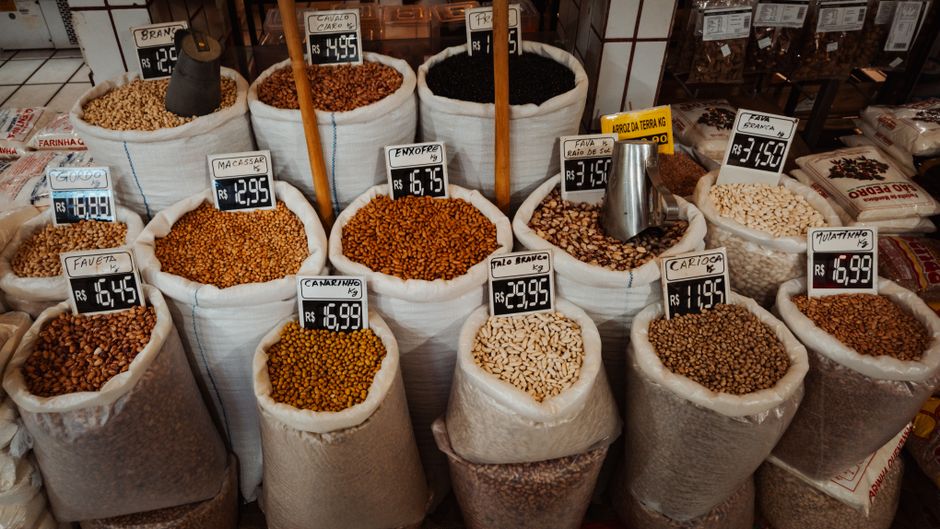
Fair Saturdays at SAARA in Rio's downtown, the Mercadão in São Paulo, Ver-o-Peso in Belém—these markets aren't just shopping destinations. They're open-air restaurants. You'll find vendors making acarajé (black-eyed pea fritters), tapioca, grilled cheese with guava paste, fresh açai bowls, and regional specialties that change by what's in season. Prices are unbeatable, and the food connects you directly to the region's agricultural identity.
Here's the insider move: find a market vendor with a line. Seriously. If locals are waiting, there's a reason. Talk to people around you. Ask what they're ordering. Most Brazilians are genuinely happy to chat and make recommendations. You'll stumble into combinations and dishes you never would have discovered otherwise.
The Snack Game: Coxinha, Pastel, and the In-Between
Brazilian street snacks deserve their own category because they're absolutely everywhere and absolutely delicious. A coxinha (that chicken-filled teardrop-shaped fried pastry) from a bakery costs maybe a dollar and tastes better than it has any right to. A pastel (fried pastry with various fillings) from a street vendor, a pão de queijo (cheese bread) warm from the oven, a brigadeiro made fresh by someone's avó (grandmother)—this is the snacking culture that defines Brazilian eating patterns.
The key is finding where locals are buying them. Bakeries in residential neighborhoods, not downtown tourist areas. Small vendors who've been in the same spot for years. Your hotel staff will know where their favorite coxinha spot is—ask them.
The Established Restaurant Scene: Where Authenticity Gets Refined

Well-Known Regional Specialists (Not Michelin, but Serious)
There's a tier of restaurants that aren't fancy or award-winning, but they're respected within their communities for doing one thing exceptionally well. In Salvador, places that specialize in Bahian cooking with proper technique. In Manaus, restaurants focused on Amazon ingredients prepared the traditional way. In Ouro Preto, establishments keeping alive Minas Gerais colonial-era recipes.
These restaurants typically have moderate prices ($15-30 USD for a full meal), consistent quality, and packed lunch crowds of local professionals. They're not trying to be trendy. They're trying to preserve something. You can find these by asking locals, checking Portuguese-language food blogs, or looking for places with consistently full dining rooms during lunch service—that's where the working population eats daily.
When Fine Dining Actually Respects Tradition
Brazil absolutely has restaurants earning international acclaim, and some of them genuinely deserve it—not because they're fancy, but because they're doing something real with authentic ingredients and traditional techniques. The difference between a fine-dining restaurant that respects Brazilian cuisine and one that's just using it as a gimmick comes down to a few things:
- Local ingredient obsession: They source from specific regions and highlight where things come from
- Regional specialization: They focus on one area's food tradition rather than trying to cover all of Brazil
- Kitchen history: The head chef has spent time learning from traditional cooks, not just studying abroad
- Menu changes seasonally: Because they're following what's actually available, not importing things year-round
In this category, you'll find restaurants in Rio, São Paulo, and Salvador that charge $40-100+ USD but deliver genuinely transcendent experiences of Brazilian food elevated thoughtfully, not Americanized.
The Tourist Trap Reality: What to Avoid
Let's be honest about the other side. Tourist-focused restaurants in Copacabana, Ipanema, Lapa, and downtown historic areas often serve watered-down versions of Brazilian classics at inflated prices. They prioritize ambiance and convenience over authenticity. A feijoada that costs $35 when locals pay $8 elsewhere usually tastes like it was made for someone's idea of what Brazil should taste like, not what it actually does.
The telltale signs: menus in five languages, picture options for every dish, prices 3-5x higher than surrounding areas, staff working on commission, and tourists making up 80%+ of the clientele. None of these mean the food is bad, but it usually means it's not representative of how Brazilians actually cook or eat.
Regional Deep Dives: Where Authenticity Varies Dramatically
Salvador & Bahia: Where African Heritage Flavors Dominate
Bahian food is probably the most distinct regional cuisine in Brazil. It's palm oil, coconut milk, seafood, and West African techniques meeting Brazilian ingredients. Authentic spots here aren't debatable—they're established. Look for restaurants in the Pelourinho district run by families, not franchises. The best meal might be at a vendor's stall on the street making acarajé with the exact filling style from their hometown. Bahian food demands fresh ingredients and can't be rushed, so if it's fast and cheap in a high-traffic area, it's probably not the real version.
Minas Gerais: Traditional Cooking That Connects to Colonial History
Minas Gerais food centers on pork, cheese, and comfort. Pão de queijo, carne de porco, broa de milho—these are dishes with centuries of tradition. The authentic versions come from family kitchens and small restaurants in colonial towns like Ouro Preto and Tiradentes, not from chain establishments. Here, eating authentically often means joining a long table of locals for a Sunday meal—ask your hotel if they can connect you with family-run restaurant experiences.
Amazon Region: Ingredients You've Never Encountered
In Manaus and along the Amazon, authenticity means eating things you probably won't find elsewhere: pirarucu (giant river fish), tucupi (a specific cassava broth), açai in its original form, tacacá (a hot soup with indigenous roots). Tourist restaurants here often westernize these dishes to make them "safer." Authentic versions come from local, smaller establishments. Ask about indigenous food experiences—many legitimate operations offer cultural immersion where you learn the actual traditional preparation of these ingredients.
Rio Grande do Sul: Churrascaria and Gaucho Traditions
Southern Brazil's gaucho culture centers on grilled meat and mate tea. While churrascaria restaurants can be both touristy and authentic depending on where you go, the real experience is smaller regional places, not the famous rodizio spots in Rio. Look for places in smaller towns that focus on quality sourcing from local ranches, not volume service.
The Strategic Approach: How to Eat Authentically in 2026
Skip Tourist Area Restaurants (Mostly)
I'm not saying never eat in touristy neighborhoods. I'm saying don't make it your primary strategy. Venture into residential districts. Use Google Maps to find restaurants in neighborhoods where tourists don't typically go. Check Portuguese-language sites like Yelp Brasil or local food bloggers. Ask your hotel staff where they personally eat lunch, not where they recommend tourists go.
Embrace the Lunch Culture
Brazilians eat their main meal at lunch, not dinner. Restaurant quality and authenticity shine during lunch service. Go between 12-2 PM, and you'll see the difference immediately in clientele and food quality. Many of the best boteco and neighborhood restaurants get quieter after 2 PM and might not have fresh food for dinner service.
Be Willing to Not Fully Understand the Menu
Authentic experiences sometimes mean pointing at what the person next to you is eating, or asking the owner what they recommend. Embrace it. Some of the best meals happen when you surrender control and let someone else's expertise guide you.
Balance Both Worlds
One exceptional fine-dining meal highlighting refined Brazilian cuisine? Worth it. Multiple meals daily at street level? Absolutely essential. The combination gives you the complete picture of how food functions in Brazilian culture—as both daily sustenance and an art form.
Final Thoughts: Food as Cultural Connection
Authentic Brazilian food isn't about finding the "most authentic" restaurant—it's about understanding that authenticity exists on a spectrum, from the woman selling acarajé on the street corner to a chef in Rio creating tasting menus around forgotten regional recipes. Both are real. Both tell you something true about Brazil.
The street corner might fill your belly and connect you to everyday Brazilian life. The fine-dining experience might illuminate traditions you didn't know existed. You don't have to choose—you need both to truly understand what Brazilian food actually means to the people who live here.
Ready to discover your own authentic food experiences in Brazil? Start by asking locals—whether it's your hotel staff, people you meet in markets, or other travelers. Share your discoveries in comments below, and tell us which regional cuisine surprised you most on your Brazilian journey.
Frequently asked questions
What's the difference between eating at a boteco versus a fine-dining restaurant in Brazil?
A boteco is a casual, family-run neighborhood spot where locals actually eat daily—usually costing $5-12 USD for a complete prato feito or regional dish. Fine-dining establishments, when they respect authentic Brazilian traditions, focus on regional specialization and local sourcing, typically costing $40-100+ USD. Both offer authentic experiences, just at different price points and levels of refinement.
How can I tell if a restaurant is a tourist trap versus genuinely authentic?
Tourist traps typically have menus in multiple languages, picture options for every dish, prices 3-5x higher than surrounding areas, and an 80%+ tourist clientele. Authentic spots instead prioritize quality ingredients and consistent community presence over ambiance or convenience. The real indicator is whether locals are eating there during lunch service—which is when Brazilian restaurants showcase their best work.
Why is lunchtime the best time to eat authentically in Brazil?
Brazilians eat their main meal at lunch, not dinner, so restaurants focus their best effort and freshest ingredients during the 12-2 PM window. Visiting during lunch service shows you the difference immediately in the quality of food and the clientele—you'll see working professionals and longtime regulars rather than tourists. After 2 PM, many neighborhood restaurants become quieter and may not have fresh food available for dinner.
What should I do if I can't read the menu or understand what's being served?
Embrace the experience and point at what the person next to you is eating, or ask the owner what they recommend. Some of the best meals happen when you let go of control and trust someone else's expertise. This approach often leads to discovering combinations and dishes you wouldn't have found otherwise.
Are street markets and food stalls actually safe places to eat in Brazil?
Street markets like SAARA in Rio, Mercadão in São Paulo, and Ver-o-Peso in Belém are legitimate dining destinations where locals regularly eat. The insider move is to find vendors with lines of people waiting—if locals are there, there's a reason. This direct connection to food preparation and the region's agricultural identity makes these some of the most authentic eating experiences available.


Comments
Post a Comment