7 Historical Cities in Northern Brazil That Shaped Colonial America
If you're imagining Northern Brazil as just rainforest and river cruises, let me stop you right there. This region is practically an open-air museum of colonial history, architectural wonders, and cultural depth that frankly gets overshadowed by Rio and São Paulo. The thing is, these historical cities in northern Brazil tell stories that shaped not just Brazil, but the entire trajectory of colonial America. And here's the best part—you won't be fighting crowds of selfie-stick-wielding tourists at every corner.
I'm talking about places where Portuguese colonial architecture stands shoulder-to-shoulder with African-influenced design, where the cobblestone streets have literally witnessed centuries of trade, rebellion, and cultural transformation. These aren't sterile museum pieces either. These are living, breathing communities where locals still gather in the same plazas their ancestors did, where street food vendors sell the same snacks recipes have passed down for generations, and where you can actually have a conversation with people instead of just taking photos.
1. São Luís: The Venice of South America
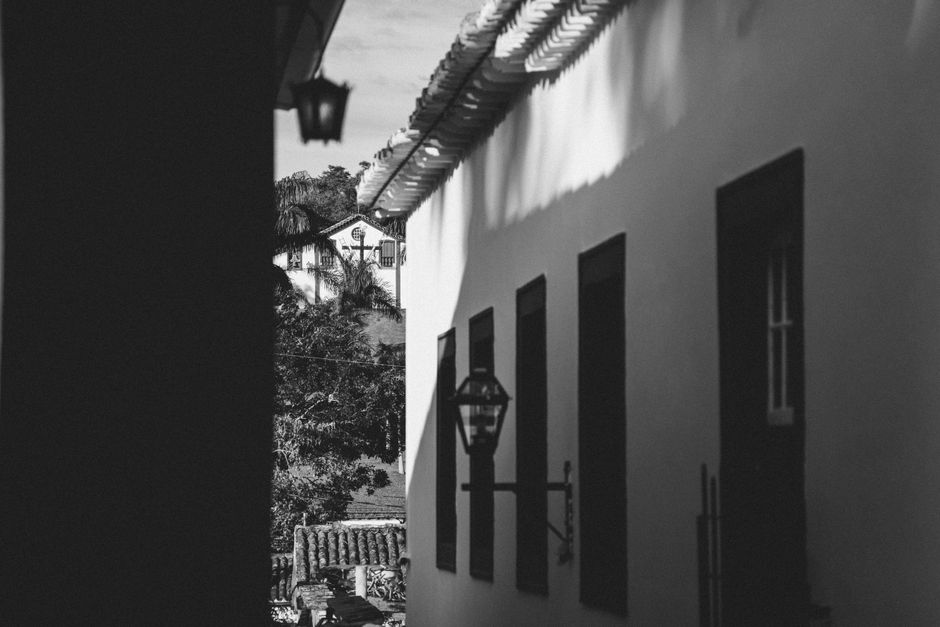
Let's start with São Luís, the capital of Maranhão state, and prepare yourself—this place is genuinely breathtaking. Founded in 1612 by French colonizers (yes, the French beat the Portuguese to it here), São Luís developed a completely unique architectural identity. The historic center is basically a time capsule wrapped in colorful Portuguese azulejo tiles.
What makes São Luís different from other colonial cities is its obsession with tiles. Seriously, they're everywhere—on building facades, church walls, residential homes. The reason? The Portuguese brought this tradition from their Moorish influences, and it absolutely took off here. Walking through the Historic Center (a UNESCO World Heritage Site since 1997) feels like stepping into a painting. The streets are narrow, the buildings lean slightly, and every corner reveals another layer of history.
You'll want to explore the Praia Grande neighborhood, where you can catch the sunset over the Atlantic while street musicians play traditional Maranhão folk music. Don't miss the Casa das Minas, a historic Afro-Brazilian religious sanctuary that's crucial to understanding how African spiritual traditions merged with Catholicism in Brazil. And if you time it right, you might catch the Bumba Meu Boi festival, which is frankly one of the most fascinating cultural experiences in all of Brazil—a blend of indigenous, African, and Portuguese traditions performed as a vibrant street spectacle.
Best Time to Visit
June to September offers cooler temperatures. June-July coincides with Bumba Meu Boi season.
What to Eat
Try arroz de cuxá (rice with local herbs), fresh seafood at the waterfront, and bolinhos de chuva (rain pastries) from street vendors.
2. Belém: Where the Amazon Meets History

Belém isn't just the gateway to the Amazon—it's a historical city that deserves serious time on your itinerary. Founded in 1616, this riverside capital is where Portuguese colonists established their hold on the vast Amazonian territory. The architecture reflects this frontier mentality: grand Portuguese colonial buildings right alongside indigenous influences and later 19th-century rubber boom mansions.
The Ver-o-Peso market is the most iconic spot, and yes, it's famous, but that doesn't diminish its magic. This isn't a tourist market pretending to be authentic—it's a working market where locals have literally been buying fish, açaí, and indigenous herbs for centuries. The atmosphere at dawn is electric, with boats arriving from the river, vendors calling out their wares, and the whole thing smelling like fresh seafood and tropical fruits.
Head to the Forte do Presépio (the oldest structure in Belém, dating to 1616) to understand the military strategy behind establishing this city so far inland. Then visit the Emílio Goeldi Museum to see artifacts that illustrate the indigenous cultures that predated and coexisted with colonization. The botanical garden attached to the museum is stunning—it's like stepping into the rainforest without actually having to trek deep into it.
Cultural Immersion Tip
Visit during the Círio de Nazaré festival (October) if you want to witness a religious procession that's been happening since the 18th century and pulls in millions of pilgrims.
Food Worth Your Time
Tacacá (a shrimp soup served in a gourd), maniçoba (slow-cooked leafy stew), and fresh açaí bowls that will ruin you for the overpriced tourist versions elsewhere.
3. Alcântara: The Forgotten Jewel
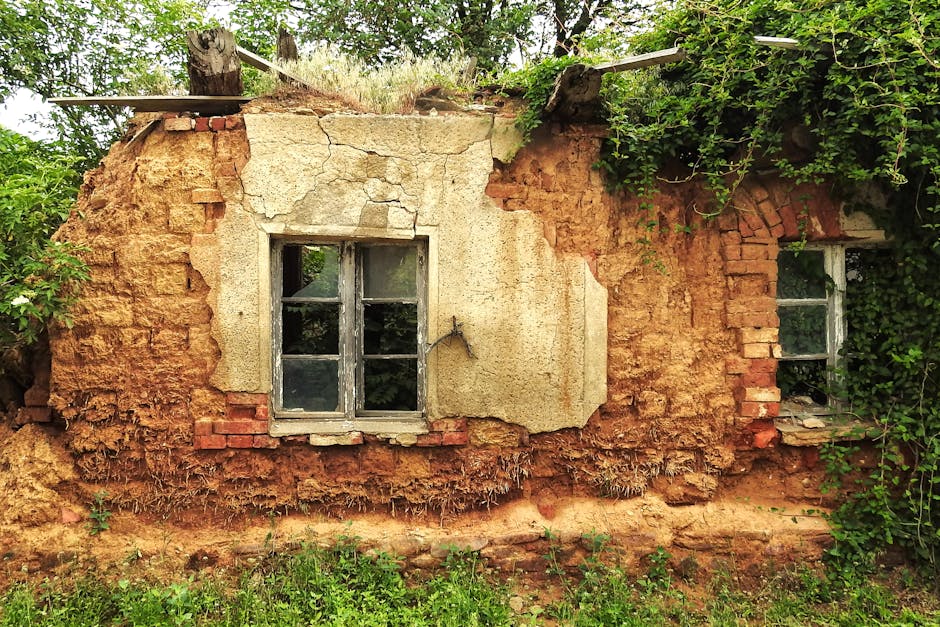
If you want to understand what colonial decline looks like—and honestly, it's beautiful—Alcântara is your destination. Just across the bay from São Luís, this 17th-century settlement was once a major port and wealthy sugar-trading hub. Then the capital shifted, trade routes changed, and Alcântara was basically frozen in time.
The ruins of plantation houses and the perfectly preserved colonial buildings create an almost haunting atmosphere. You're walking through streets where aristocratic Portuguese families once paraded, where enslaved people built the infrastructure, where wealth flowed like the Atlantic tides outside. Unlike heavily restored colonial sites, Alcântara's weathered buildings tell their stories more honestly.
The Church of São Matias is still standing, and the main square is surrounded by crumbling mansions with those blue Portuguese tiles. Local artisans work in small studios, and you can buy handmade lace, ceramics, and artwork directly from people who've lived there their entire lives. It's genuinely off-the-beaten-path without being pretentious about it.
Getting There
Take a 45-minute boat from São Luís. The journey itself is beautiful—you're crossing the bay as colonial traders did.
4. São Félix and Cachoeira: Bahia's Dynamic Duo
Just inland from Bahia's coast, these two towns sit on opposite banks of the Jaguaripe River and together tell the story of Bahia's colonial wealth and influence. These weren't just any towns—they were power centers in Brazil's early colonial economy, built on tobacco, sugar, and the horrifying but historically undeniable reality of the slave trade.
Cachoeira (meaning "waterfall" in Portuguese) is the more historically significant of the two, with colonial architecture that ranges from simple to absolutely ornate. The town served as a military stronghold during Brazil's independence wars, and you can feel that history in the streets. The churches here are museum-quality, with baroque details and religious art that rival anything you'd see in Rio or São Paulo.
São Félix, across the river, is smaller and quieter, known for its tobacco production (which you can still tour) and artisanal cachaça distilleries. The connection between these two towns—you literally walk across a wooden bridge to connect them—represents the interdependence of colonial settlements. The river isn't just geography; it's history flowing literally between them.
What Makes It Special
The Recôncavo region produced much of Brazil's early wealth. Walking these streets, you're literally standing in places that influenced colonial expansion across South America.
5. Ouro Preto: Northern Outpost of Gold Rush Riches
Wait, Ouro Preto is technically in Minas Gerais, you might be thinking. But culturally and historically, it's deeply connected to the northern colonial narrative, and it deserves mention because it represents the apex of Portuguese colonial prosperity in Brazil. Built in the 18th century as a gold-mining town, Ouro Preto ("Black Gold" in Portuguese) became wealthy beyond imagination.
The baroque churches here are so ornate they'll genuinely make you pause. The Church of São Francisco, with its gold-leaf interior and intricate wooden carvings, represents the kind of wealth that flowed from these mines. Walk the cobblestone streets at dusk, and you'll understand why this city inspired countless artists and writers—there's something about the mountain setting, the aged buildings, and the visible layers of history that just captures your imagination.
Artistic Heritage
The sculptor Aleijadinho (the "Little Cripple") created masterpieces here while literally disabled. His story of artistic triumph against physical adversity is deeply embedded in Ouro Preto's identity.
6. Diamantina: The Mountain Historian
In the mountains of northern Minas Gerais sits Diamantina, founded during Brazil's diamond rush. Like Ouro Preto, it reflects the extractive wealth model of colonial Brazil, but Diamantina feels more intimate, more authentic in its preservation. The streets are steep (be ready to walk), the buildings are painted in fading pastels, and the community hasn't been as heavily modernized as other colonial centers.
The house where Tiradentes (a key independence figure) was born is here, adding a revolutionary edge to Diamantina's history. You're not just exploring colonial architecture; you're standing in spaces that influenced Brazil's independence movement.
7. Penedo: Alagoas' Riverside Treasure
On the São Francisco River in Alagoas state, Penedo is a smaller colonial city that often gets overlooked. But that's exactly why it's worth visiting. The Portuguese colonial architecture is authentic and lived-in, not restored for tourism. The riverside location creates stunning photo opportunities, especially at sunset, but more importantly, it gives you a sense of how trade and daily life actually functioned in colonial Brazil.
The churches here are beautiful but humble compared to Bahia's baroque extravaganzas. The local restaurants serve authentic regional cuisine. The overall vibe is "traveling through history" rather than "visiting a museum," which frankly is the best way to experience colonial Brazil.
Planning Your Northern Brazil Historical Journey
Getting Around
Internal flights connect major cities (Belém, São Luís) to each other and to larger Brazilian hubs. Between smaller cities, buses are reliable and inexpensive. For remote towns like Alcântara and Penedo, you might need to backtrack to larger cities and branch out from there. This isn't a problem—it's part of the adventure.
Best Time to Visit
Northern Brazil's climate is hot and humid year-round. The drier season (roughly June-October) offers more comfortable temperatures and fewer mosquitoes. Avoid the peak rainy season (January-March) unless you specifically want to see the landscape at its greenest.
Cultural Sensitivity
These cities are home to people whose ancestors were enslaved to build the prosperity you're observing. Approach these spaces with respect. Visit museums and interpretive centers that honestly discuss this history. Support local businesses and artisans. Take a favela tour only with community-based organizations that actually benefit residents. Listen more than you photograph.
What to Pack
Comfortable walking shoes (seriously, those cobblestones are unforgiving), light breathable clothing, sunscreen, and an insect repellent. Consider bringing a light rain jacket even in the dry season—tropical weather is unpredictable.
Making the Most of Your Visit
The magic of these historical cities isn't just in the architecture or the historical facts. It's in the experience of being in spaces where centuries of human stories—triumph, struggle, cultural fusion, and transformation—happened right where you're standing. These aren't polished attractions designed for international consumption. They're real places with real people, and that authenticity is what separates a good trip from a truly transformative one.
Stay in small guesthouses rather than chains. Eat where locals eat. Strike up conversations. Learn a few phrases in Portuguese (locals absolutely appreciate the effort). Hire local guides who can explain not just the what and when, but the why and how of these cities' development.
Northern Brazil's historical cities offer something increasingly rare in global travel: the chance to deeply understand a region's complex history while supporting the communities that keep these places alive. That's the real treasure of this journey.
Ready to Explore?
Start planning your northern Brazil historical adventure today. Whether you're fascinated by colonial architecture, cultural fusion, or the jogo bonito of historical narratives, these seven cities will challenge and inspire you. Book your flights, pack light, bring curiosity, and prepare for a journey that'll fundamentally change how you understand Brazil and colonial history.
Which historical city are you most excited to explore? Share your travel plans in the comments—I'd love to hear what draws you to northern Brazil's colonial heritage!
Frequently asked questions
Is Northern Brazil really worth visiting if I've already been to Rio and São Paulo?
Absolutely. These historical cities are practically open-air museums that tell stories about colonial America that Rio and São Paulo don't fully capture. The best part is you won't be dealing with massive crowds of tourists, and you'll get to experience authentic living communities where locals still gather in the same plazas their ancestors did, rather than visiting sterile museum pieces.
Why is São Luís so obsessed with tiles, and what makes it different from other colonial cities?
The Portuguese brought the azulejo tile tradition from their Moorish influences, and it took off spectacularly in São Luís—they're literally everywhere on building facades, church walls, and homes. This obsession with tiles is what sets São Luís apart architecturally and creates that breathtaking, painterly feeling when you walk through the UNESCO World Heritage historic center.
What's the best time to visit Northern Brazil, and why should I avoid certain months?
The drier season from June to October offers the most comfortable temperatures and fewer mosquitoes, making it ideal for walking those cobblestone streets. Avoid the peak rainy season from January to March unless you specifically want to see the landscape at its greenest, as it can make travel more challenging.
How do I actually get between these historical cities?
Internal flights connect major cities like Belém and São Luís to each other and to larger Brazilian hubs. For travel between smaller cities, buses are reliable and inexpensive. For remote towns like Alcântara and Penedo, you might need to backtrack to larger cities and branch out from there, but that's part of the adventure.
Should I be concerned about ethical tourism when visiting these colonial cities built on slavery?
These cities are home to people whose ancestors were enslaved to build the prosperity you're observing, so approach these spaces with respect. Visit museums and interpretive centers that honestly discuss this history, support local businesses and artisans, and listen more than you photograph. Take favela tours only with community-based organizations that actually benefit residents.


Comments
Post a Comment