6 Colonial Architecture Tours in Historic Minas Gerais Worth Your Time
If you're dreaming of stepping back in time while exploring some of Brazil's most stunning architecture, Minas Gerais is calling your name. This southeastern state is practically a living museum of colonial history, where every cobblestone street tells a story of gold rushes, Portuguese settlers, and baroque brilliance. Whether you're a history buff, architecture enthusiast, or just someone who appreciates the authentic jeito brasileiro of preserving cultural heritage, colonial architecture tours in this region will blow your mind.
The thing about Minas Gerais is that it's not just about one famous town—it's an entire landscape of colonial gems waiting to be discovered. Sure, Ouro Preto gets all the Instagram attention, but if you venture beyond the usual tourist circuit, you'll find equally breathtaking experiences that feel more intimate and authentic. Let me walk you through six colonial architecture tours that genuinely deserve a spot on your 2026 Brazil itinerary.
1. Ouro Preto: The Golden Classic (But Do It Right)

Look, Ouro Preto is famous for a reason. This UNESCO World Heritage site sits high in the mountains and was once the richest city in the world during the gold boom. But here's the insider tip: don't just wander around on your own. Book a guided colonial architecture tour that focuses on the lesser-known churches and the stories behind them.
The star attraction is the Church of São Francisco, with its jaw-dropping baroque facade and interior covered in gold leaf—we're talking genuinely breathtaking landscapes of gilded craftsmanship. But equally impressive is the Church of Our Lady of Carmo, where you'll find intricate stone carvings and learn about the master sculptors who created them. A good guide will explain the architectural evolution from early baroque to rococo, which honestly makes the difference between "wow, pretty church" and actually understanding what you're looking at.
Pro tip: Visit early morning or late afternoon to avoid the peak tourist crowds. The light on those yellow and pastel colonial buildings is seriously Instagram-worthy at those times, and you'll have a more genuine cultural immersion experience.
2. Tiradentes: The Charming Alternative

About 90 minutes from Ouro Preto sits Tiradentes, and it's honestly our favorite for visitors seeking an off-the-beaten-path vibe without sacrificing architectural excellence. This town is smaller, more walkable, and—here's the best part—way less crowded than its famous neighbor.
The Basilica of Our Lady of Mercy absolutely dominates the main plaza with its stunning white facade and twin bell towers. What makes Tiradentes special is how the colonial architecture blends seamlessly with the town's authentic daily life. You'll see locals grabbing coffee at corner cafes, kids playing in the plazas, and artisans working in their studios—this is living history, not a museum town.
Many visitors book guided tours that include the nearby mining tunnels, combining architecture with the adventure seekers' spirit. You can also explore the town's modest but significant museums, which detail the colonial period without the overwhelming crowds you'd encounter elsewhere.
3. Mariana: The Spiritual Heart of Colonial Minas
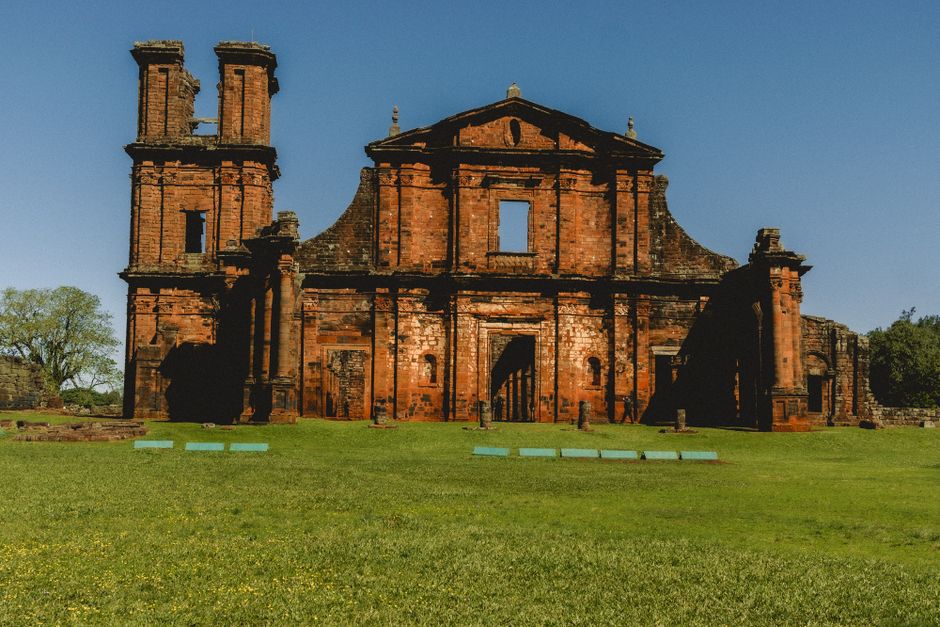
Mariana was actually founded before Ouro Preto and was the original capital of the gold-mining region. Walking through this town feels like you're genuinely transported back three centuries. The architecture here is more understated than Ouro Preto's flashy baroque, which somehow makes it feel more authentic.
The Cathedral of Our Lady of Assumption is the main draw, featuring a stunning interior with wooden altars and religious artwork. But what really sets Mariana apart is its former Seminary, which now houses the Archdiocese Museum. A solid colonial architecture tour will connect these sites and explain how Mariana's spiritual importance shaped the region's cultural development.
The town's narrow streets are perfect for wandering, and you'll discover hidden chapels, colonial residences, and small museums tucked away that most tourists completely miss. This is the kind of place where you can have an authentic experience without feeling like you're performing your visit for social media.
4. Diamantina: Where Architecture Meets Adventure
If you're the type of traveler who wants to combine cultural immersion with outdoor experiences, Diamantina is your sweet spot. Located in the northern part of Minas Gerais, this colonial town sits at a higher elevation and offers a dramatically different landscape—think misty mountains and cooler temperatures.
The architecture here reflects the diamond-mining era, and you'll notice slightly different styles compared to the gold-mining towns. The Church of Mercy and the Cathedral both showcase beautiful baroque elements. What's really cool is the Casa da Glória, the former home of a wealthy diamond merchant, which provides insight into how the colonial elite actually lived.
Diamantina is also a gateway to some incredible natural areas. Many guided tours combine colonial architecture exploration with short hikes to nearby waterfalls and natural pools—perfect if you want that breathtaking landscapes experience both in buildings and nature.
5. Congonhas: The Sculpture Sanctuary
Here's where architecture meets art in the most extraordinary way. Congonhas is slightly off the main colonial tourism circuit, which means fewer tourists and a more authentic atmosphere. The must-see destination here is the Basilica of Our Lady of Aparecida and its famous soapstone sculptures by Aleijadinho, one of Brazil's most celebrated baroque artists.
What makes Congonhas unique is that it's not just about the buildings—it's about understanding the artistic genius embedded in colonial architecture. The twelve prophets carved in soapstone are considered masterpieces, and a knowledgeable guide can explain the biblical stories, the sculptor's techniques, and how Aleijadinho managed to create these works despite losing his hands and developing severe arthritis.
The basilica's interior is relatively modest compared to Ouro Preto, which actually makes the focus on the sculptures even more powerful. It's a different kind of colonial experience, more introspective and artistically profound.
6. São João del Rei: The Living Colonial Town
This is probably the most "real" of the colonial towns on our list. São João del Rei functions as an actual city with around 80,000 residents, so it doesn't feel frozen in time like some tourist-focused destinations. What you get here is authentic daily life happening amid incredible colonial architecture.
The Basilica of Our Lady of Mercy and the Church of Saint Francis are both architectural treasures, showcasing baroque design and interior artwork. The town has several museums dedicated to local history, sacred art, and regional culture. There's also a functioning train that runs between São João del Rei and Tiradentes—a short journey through mountain scenery that many visitors combine with their colonial architecture tour.
The real gem here is experiencing the jogo bonito of colonial town life—watching how locals navigate these historic streets with genuine purpose, not just for tourism. You'll find excellent restaurants, local artisan shops, and a sense that you're witnessing something authentic.
Planning Your Colonial Architecture Tour
Best Time to Visit
April through September offers the most pleasant weather—cooler temperatures and less rainfall. December through February is summer in Brazil, so it's hot and humid in the lowlands, though these mountain towns stay relatively cool. Avoid peak vacation periods if you want a more intimate experience.
How to Get Around
Most of these towns are connected by roads, but public transportation can be slow. Many travelers rent cars for flexibility, or book organized tours that handle transportation. Several tour operators offer multi-day colonial architecture packages that cover 3-4 towns with knowledgeable guides.
Budgeting for Your Trip
Minas Gerais is incredibly affordable. Budget accommodations run $30-50 per night, meals at local restaurants cost $5-15, and guided tours typically range from $25-60 per person. It's one of Brazil's best regions for travelers watching their wallets without sacrificing quality experiences.
What to Bring
Comfortable walking shoes are essential—these towns have steep, uneven cobblestone streets. A light rain jacket is smart since mountain weather can be unpredictable. Sunscreen and a hat are crucial, as the equatorial sun is intense even at higher elevations.
Why These Tours Actually Matter
Colonial architecture tours in Minas Gerais aren't just about photographing pretty buildings. They're about understanding how European colonization, African slavery, indigenous displacement, and wealth extraction shaped a region—and honestly, shaped all of Brazil. The baroque architecture you see represents real historical forces and human experiences.
When you take a guided tour with a knowledgeable local guide, you're getting context and nuance that you'd miss wandering alone. You're learning architectural terminology that helps you appreciate subtle differences between baroque and rococo styles. You're hearing stories about the people who built and inhabited these spaces. That's cultural immersion done right.
Plus, your tour spending directly supports local communities. Many guides are from these towns, and your money goes to local restaurants, accommodations, and artisans when you visit these regions thoughtfully.
Final Thoughts: Your Colonial Adventure Awaits
Minas Gerais offers some of the most spectacular colonial architecture experiences in South America. Whether you choose the famous Ouro Preto or venture into lesser-known towns like Tiradentes or São João del Rei, you'll encounter breathtaking landscapes of human creativity, historical depth, and authentic Brazilian culture.
The beauty of this region is that there's something for every type of traveler. History enthusiasts will get lost in the architectural details and historical narratives. Photography lovers will find endless stunning vistas and golden-hour magic. Adventure seekers can combine architecture tours with hiking and natural experiences. Food lovers can explore regional cuisine in charming local restaurants.
Stop waiting for the perfect moment and start planning your colonial architecture tour in Minas Gerais. Your 2026 Brazil adventure is calling, and these historic towns are ready to welcome you.
Ready to explore? Start researching tour operators that specialize in multi-day colonial architecture experiences in Minas Gerais, or reach out to local tourism boards for current recommendations and guided tour options. Your journey into Brazil's architectural heart starts now!
FAQ
What makes colonial architecture tours in historic Minas Gerais a must-see destination?
Colonial architecture tours in historic Minas Gerais showcase some of Brazil's most well-preserved 18th-century buildings and churches with stunning baroque and rococo designs. These tours offer visitors a chance to explore authentic colonial towns like Ouro Preto and Tiradentes, where cobblestone streets and historic mansions transport you back to the gold rush era. The architectural significance combined with rich historical narratives makes these tours invaluable for history enthusiasts and architecture lovers.
Which towns should I visit when taking colonial architecture tours in historic Minas Gerais?
Top towns for colonial architecture tours in historic Minas Gerais include Ouro Preto, known for its Igreja de São Francisco and elaborate baroque churches, and Tiradentes, famous for its beautifully preserved colonial plaza and historic mansions. Mariana and Congonhas are also excellent destinations, featuring impressive churches and colonial buildings that demonstrate the region's architectural heritage. Each town offers unique perspectives on colonial life and craftsmanship from the 18th century.
How long do typical colonial architecture tours in historic Minas Gerais last?
Most colonial architecture tours in historic Minas Gerais range from half-day to full-day experiences, depending on which towns and sites you visit. A comprehensive tour of Ouro Preto alone can take 4-6 hours, while multi-town tours spanning several days allow for deeper exploration and understanding of the region's architectural styles. Many tour operators offer customizable itineraries to accommodate different time constraints and interests.
What architectural styles will I encounter on colonial architecture tours in historic Minas Gerais?
Colonial architecture tours in historic Minas Gerais feature primarily baroque and rococo styles, characterized by ornate decorations, curved lines, and elaborate details on church facades and public buildings. You'll also see Portuguese colonial residential architecture with whitewashed walls, wooden shutters, and stone foundations typical of the 18th-century mining period. The influence of both African and indigenous cultures can be seen in decorative elements throughout the region's architectural landscape.
Are guided tours available for colonial architecture tours in historic Minas Gerais?
Yes, professional guided tours are widely available throughout historic Minas Gerais, with knowledgeable guides who explain architectural details, historical context, and the region's gold mining heritage. Both group tours and private tour options can be booked through local tourism agencies and online platforms, with many guides offering multilingual services. Hiring a guide significantly enhances your understanding of the colonial architecture and the stories behind each historic building and church.


Comments
Post a Comment