Brazil's National Parks in 2026: Which Ones Actually Deliver Adventure
Look, if you're planning a trip to Brazil and you're already thinking about the usual suspects—Rio's beaches, São Paulo's concrete jungle, Carnival crowds—I want to challenge you on something. Brazil's national parks are where the real magic happens. These aren't just pretty green spaces on a map; they're living, breathing ecosystems that'll change how you see travel forever. And trust me, visiting one in 2026 should absolutely be on your radar.
The jeito brasileiro—that characteristically Brazilian way of doing things—extends to how people connect with nature here. It's not always about conquering peaks or checking boxes. It's about immersion, about understanding why a place matters, and honestly, about having the adventure of your lifetime without breaking the bank.
Lençóis Maranhenses: When Sand Dunes Meet Tropical Lagoons

Ever seen a landscape that looks completely impossible? Welcome to Lençóis Maranhenses National Park. Imagine endless white sand dunes rolling across northeastern Brazil, and between them—crystal-clear lagoons in shades of turquoise and emerald that'll make you question if you're still on Earth. This isn't your typical desert experience because it actually rains here, creating these temporary freshwater lagoons that are absolutely surreal.
What Makes It Special in 2026
The rainy season (June through September) fills those lagoons to perfection. The dry season brings different vibes—easier dune crossing but less water in the lagoons. Most travelers aim for July and August when both conditions are ideal. The park has become more accessible without losing its remote, off-the-beaten-path feel. Local guide companies have really stepped up their game, offering everything from jeep tours to sandboarding adventures.
The Real Talk
Getting there requires patience. You'll fly to São Luís and then take a 2-3 hour drive to Barreirinhas, the gateway town. But that's actually perfect because it keeps the massive tour bus crowds away. You'll experience authentic encounters with local communities, sample regional dishes like crab stew, and maybe even spot pink river dolphins if you're lucky.
Chapada Diamantina: Hiking Through Hidden Caves and Waterfalls
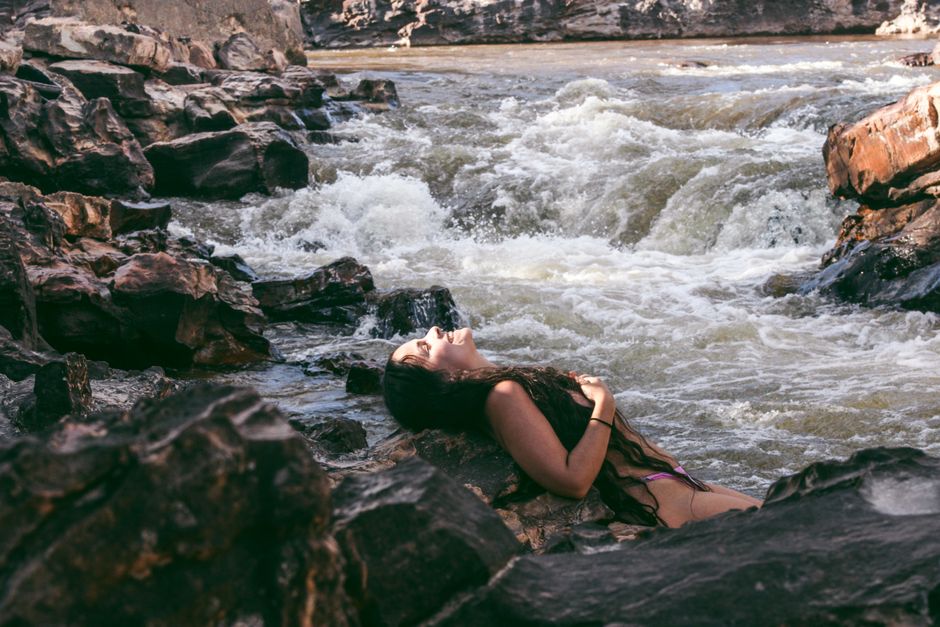
Nestled in Bahia State, Chapada Diamantina is basically a hiker's fever dream. We're talking about dramatic plateaus, canyons that'll make your jaw drop, underground rivers, and some of the best hiking trails in northeastern Brazil. The landscape shifts constantly—one moment you're walking through Atlantic Forest canopy, the next you're standing on a ridge overlooking endless valleys.
Must-Do Experiences
Poço Azul (Blue Pool): An underground cenote-style pool fed by fresh springs where you can actually swim in crystal water 80 meters underground. It's otherworldly.
Cachoeira da Fumaça (Smoke Waterfall): The tallest waterfall in Brazil. During dry season, the water turns to mist—hence the name—which creates this mystical, almost spiritual experience.
Vale do Pati Trek: A three-day backcountry hiking adventure that's genuinely challenging but rewarding. You'll camp under stars, meet local families running small farms, and experience the real heartbeat of this region.
Timing Your Visit
October through April offers the best conditions—not too hot, easier trail access, and waterfalls still flowing strong. The hiking community here is super welcoming. You'll likely run into people from all over the world sharing stories and trail tips at the guesthouses in Lençol, the main hub town.
Pantanal National Park: Brazil's Best-Kept Wildlife Secret

Remember that article we published about why the Pantanal beats the Amazon for first-time eco-tourists? This is that destination. While everyone's fighting for permits in the Amazon, you could be watching jaguars, caimans, and giant river otters without the crowds or the logistics nightmare.
Wildlife Worth the Trip
The Pantanal is actually the world's largest tropical wetland, and during the dry season (May through September 2026), animals congregate around remaining water sources, making wildlife viewing ridiculously good. Jaguar sightings are genuinely possible. We're not exaggerating—jaguars.
How to Do It Right
Skip the day trips. Book a multi-day lodge stay or guided boat expedition. Yes, it costs more upfront, but you're supporting local conservation efforts and actually experiencing the ecosystem rather than just passing through. The lodges range from basic-but-authentic to surprisingly comfortable, depending on your budget.
Cuiabá is your entry point. From there, it's a 3-4 hour drive to the park's main areas. The jeito brasileiro hospitality kicks in here—lodge owners often become friends by the end of your stay.
Atlantic Forest Reserves: Biodiversity That Rivals the Amazon
Here's something that surprises visitors: the Atlantic Forest is more biodiverse than the Amazon in some categories, yet it's one of Earth's most threatened ecosystems. Visiting national parks and reserves protecting this forest isn't just tourism—it's conservation participation.
Serra dos Órgãos National Park (Rio de Janeiro)
A true gem if you're already in Rio but want to escape the city. Dramatic mountain peaks, pristine waterfalls, and challenging hikes that feel completely remote despite being close to an urban center. The Dedo de Deus (God's Finger) peak is iconic—a natural stone formation that's jaw-dropping.
Itatiaia National Park (Rio de Janeiro/Minas Gerais Border)
Brazil's first national park, established in 1937. It doesn't get the attention of flashier destinations, but that's exactly why you should go. Alpine meadows, mountain streams, and trails ranging from easy nature walks to serious altitude hiking. The higher elevations offer cooler temperatures—a relief if you're visiting during summer.
Jericoacoara National Park: Dunes, Beaches, and Wind Sports Paradise
If you're looking for that sweet spot between adventure and relaxation, this northeastern gem delivers. Golden sand dunes, turquoise water, and consistent winds that make it a kiteboarding and windsurfing hotspot. The village has transformed over the last decade while somehow maintaining its bohemian vibe.
Adventure Seekers' Menu
Dune Buggy Tours: Navigate massive dunes and hidden beaches on guided excursions. It sounds touristy, but it's genuinely fun.
Sunset at Pedra Grande: A massive rock formation at the edge of town where you catch the sunset over water and dunes. Arrive early, bring a caipirinhas from a local vendor, and watch the sky turn pink.
Kitesurfing and Windsurfing: The wind conditions are consistent, and multiple schools offer lessons for all levels. Even if you don't kite or windsurf, watching the athletes out on the water is entertainment enough.
Planning Your National Park Adventure in 2026
Best Time to Visit
Brazil's seasons run opposite to North America. Our winter (May-September) is actually Brazil's dry season, perfect for hiking and wildlife viewing. Avoid January-February if possible—that's when coastal areas get packed with Brazilian holiday travelers.
Getting Around
You'll need domestic flights. Brazil's airports are generally well-organized, and flights between major hubs are frequent and affordable by American standards. Hiring a guide isn't luxury—it's smart. Local guides know trails, wildlife patterns, and can handle emergencies. Plus, your money directly supports the community.
Budget Reality Check
National parks themselves are inexpensive to enter (usually $5-15 USD equivalent). Accommodation, guides, and transportation vary wildly depending on the park and your comfort level. Budget $40-100 daily for guesthouses and meals in remote areas, more for comfortable lodges.
Real Talk: What to Expect
Brazil's national parks aren't Disney attractions. Infrastructure varies. Some trails are well-marked; others require experienced guides. Weather can change dramatically. That's part of what makes them authentic and rewarding.
The people you'll meet—park rangers, lodge owners, local guides—are genuinely passionate about conservation. Their knowledge transforms a hike into education. You'll leave understanding why protecting these spaces matters.
And yeah, you'll take incredible photos. But the real souvenir is the experience of connecting with Brazil's natural heritage in a way that most tourists never do.
Your Next Move
Don't let 2026 slip by without committing to at least one of these parks. Whether you're a serious hiker tackling Chapada Diamantina's toughest trails, a wildlife enthusiast hoping for jaguar sightings in the Pantanal, or someone simply seeking breathtaking landscapes at Lençóis Maranhenses, Brazil's national parks deliver.
Start researching now. Check visa requirements. Talk to people who've been. Join online travel communities discussing these destinations. The planning is half the fun, and trust me, actually being there will exceed whatever you imagined.
What's your ideal Brazilian national park experience? Share in the comments—fellow travelers love hearing what draws different adventurers to Brazil. And if you've already visited one of these parks, drop your recommendations and real talk in the comments section below. We're building a community of thoughtful, adventurous travelers here, and your insights help others plan authentic experiences.
FAQ
Which Brazilian national parks are considered the best for adventure seekers in 2026?
The top Brazilian national parks for adventure include Lençóis Maranhenses, known for its stunning white sand dunes and lagoons, Chapada Diamantina for hiking and waterfalls, and Pantanal for wildlife spotting. Each park offers unique experiences, from trekking and water sports to wildlife photography and bird watching. These parks consistently deliver memorable adventures and are definitely worth visiting this year.
What makes Lençóis Maranhenses National Park worth visiting in 2026?
Lençóis Maranhenses is famous for its otherworldly landscape of white sand dunes interspersed with crystal-clear blue and green lagoons, creating a surreal environment perfect for photography and exploration. The park offers activities like sandboarding, swimming, and trekking through diverse ecosystems. It's one of Brazil's most visually spectacular national parks and truly delivers an unforgettable adventure experience.
Is Iguazu National Park still worth visiting in 2026, and what adventures does it offer?
Absolutely! Iguazu National Park remains one of the world's most spectacular natural wonders, featuring nearly 300 waterfalls that create breathtaking views and powerful mist. Visitors can enjoy boat tours beneath the falls, jungle hiking trails, and wildlife observation including toucans and coatis. The park continues to deliver genuine adventure and should be on every traveler's Brazilian national parks list.
What adventure activities can you do in Chapada Diamantina National Park?
Chapada Diamantina offers excellent hiking through mountainous terrain, waterfall rappelling, canyoneering, and cave exploration, including the famous Poço Azul cenote. The park features diverse landscapes with valleys, plateaus, and crystal-clear natural pools perfect for swimming and trekking. It's an ideal destination for adventure enthusiasts seeking challenging outdoor experiences and is definitely worth visiting in 2026.
Why should adventure travelers choose Pantanal National Park over other Brazilian parks?
Pantanal is the world's largest tropical wetland and offers unparalleled wildlife encounters, including jaguars, caimans, anacondas, and hundreds of bird species in their natural habitat. The park provides activities like wildlife safaris, boat tours, horseback riding, and fishing expeditions that deliver authentic adventure experiences. For wildlife lovers and photographers, Pantanal is arguably the most rewarding Brazilian national park to visit this year.


Comments
Post a Comment