5 Remote Hiking Routes in Southern Brazil That Most Tourists Never Find
Look, if you've been dreaming about hiking through pristine Atlantic Forest canopies, trekking past hidden waterfalls, or conquering mountain peaks with panoramic views that'll make your Instagram followers lose their minds, Southern Brazil is calling your name. But here's the thing—most travelers stick to the same well-worn paths that appear in every guidebook. Meanwhile, the truly magical hiking trails and nature reserves are waiting just beyond the typical tourist bubble, accessible to anyone willing to venture slightly off the beaten path.
I'm talking about those soul-stirring moments when you round a corner and realize you're completely alone in one of the world's most biodiverse regions. Southern Brazil—comprising Rio Grande do Sul, Santa Catarina, and Paraná—is an adventure seeker's paradise that somehow remains underrated compared to the Amazon or Iguazu Falls. The jeito brasileiro (Brazilian way) of exploring nature here feels different: more intimate, more accessible, and honestly, more rewarding than the crowded mega-destinations everyone's heard about.
Whether you're a seasoned hiker or someone who gets winded after twenty minutes but refuses to admit it, these five remote trails offer something transformative. Let me walk you through the best-kept secrets in Southern Brazil's hiking scene.
1. Aparados da Serra National Park: Where Canyons Meet Cloud Forests

Nestled on the border between Rio Grande do Sul and Santa Catarina, Aparados da Serra feels like stepping into another planet. This nature reserve is home to some of the most dramatic canyons in Brazil, with towering cliff faces that drop hundreds of meters into lush Atlantic Forest valleys. The main trek here—the Canyon Trail—stretches about 8 kilometers and takes you through ecosystems that shift dramatically as you descend.
What makes this place special isn't just the breathtaking landscapes; it's the sense of discovery. You'll navigate through misty cloud forests where the vegetation seems to glow, cross crystal-clear streams, and encounter wildlife that includes endangered species like the Brazilian merganser duck. The trail gets muddy after rain (and it rains often here), but that's part of the authentic experience.
Pro tip: Most international visitors hit this park on organized tours that rush through in half a day. If you can, hire a local guide in nearby Cambará do Sul and spend at least two days exploring different sections. You'll spot far more wildlife, understand the geological formations better, and have entire viewpoints to yourself while the tour groups move on.
Best Time to Visit
April through May, or September through October. The weather's stable, visibility is excellent, and you're avoiding the peak rainy season and summer crowds.
2. Isla do Mel: Where Jungle Trails Meet Pristine Beaches
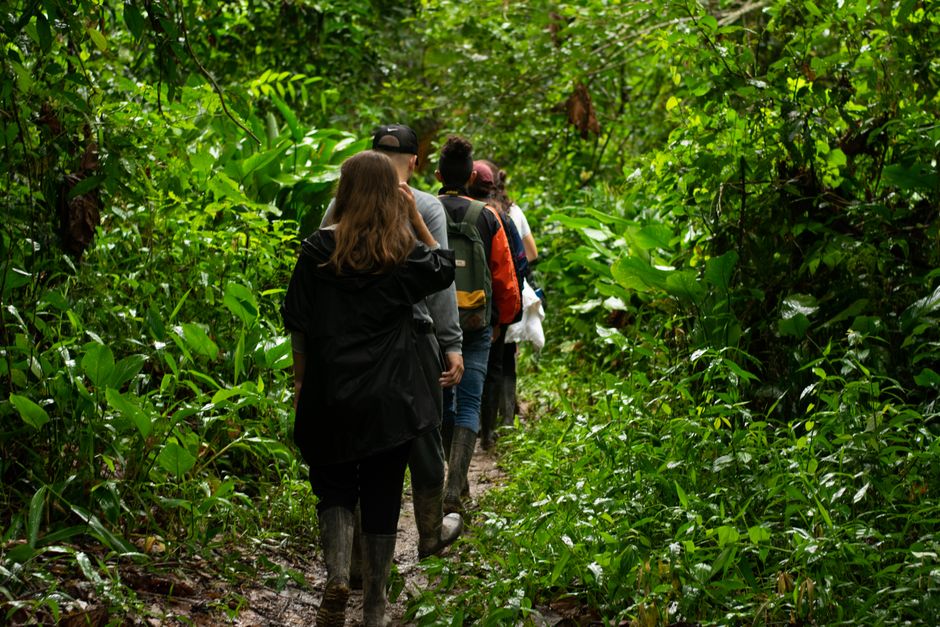
Technically an island off the coast of Paraná, Illa do Mel (pronounced "Meh-oo") is a place where hiking trails unexpectedly lead you to abandoned lighthouses and secluded beaches. This 4-square-kilometer island has no roads, no cars, and no restaurants beyond a handful of simple beach bars—which means you get that rare combination of nature immersion and accessible adventure.
The trail system here is beautifully chaotic. You might start in Atlantic Forest vegetation, suddenly emerge at a cliff-side viewpoint, descend to a pink-sand beach, and find yourself at a historic lighthouse all in one afternoon. The most popular route connects the two lighthouses (Praia de Fora Lighthouse and Northeast Lighthouse) and takes about four hours total, but the real magic happens when you wander off-trail into the quieter corners of the island.
The island has a certain bohemian energy—backpackers, artists, and families seeking simplicity converge here, but it never feels overcrowded. You'll stay in pousadas (small guesthouses) run by locals who've chosen this lifestyle deliberately. The cultural exchange happens naturally: over fresh fish at dinner, during conversations at the beach bar, or while waiting out a tropical downpour in someone's living room.
Logistics That Actually Work
Get to Paranaguá by bus or car, then take the ferry to the island (about 45 minutes). Ferries run multiple times daily, and unlike many island destinations, this won't drain your budget entirely. A basic pousada runs around $30-50 per night.
3. Serra Geral National Park: High-Altitude Trails with Zero Crowds

If you want hiking trails where you might not see another person for hours, Serra Geral delivers. Located in Santa Catarina near the town of Cambará do Sul, this park protects one of the largest stretches of intact Atlantic Forest in Brazil. The elevation here reaches over 1,200 meters, which means cooler temperatures and distinctly different vegetation compared to coastal areas.
The Pedra Grande trail is the most accessible option—about 6 kilometers round trip with moderate difficulty. What's remarkable is that despite being relatively easy, you'll encounter almost zero tourist infrastructure. No gift shops, no manicured viewpoints, no Instagram-famous photo spots with crowds. Just pure forest, honest trails, and the occasional sound of howler monkeys echoing through the canopy.
The biodiversity here is staggering. You might spot toucans, jaguars (from a safe distance, in their territory), various species of frogs and insects, and plants found nowhere else on Earth. The park rangers are incredibly knowledgeable, and if you ask nicely, some will share insights about conservation efforts and the park's history.
What to Pack
Bring layers—elevation changes mean temperature fluctuations. The trail can be muddy and slippery; proper hiking boots aren't optional. Water and snacks are essential; the nearest facilities are in the town below.
4. Ponta Grossa: The Underground Rivers and Cave Systems Adventure
This might seem like a curveball in a hiking guide, but hear me out. Ponta Grossa, in Paraná, offers something unique: hiking trails that lead to underground rivers, canyons that open into cathedral-like chambers, and caves that showcase millions of years of geological history. The region is known as one of Brazil's top adventure tourism destinations, yet it remains relatively undiscovered internationally.
The most accessible experience is the Furnas Trail, which combines surface hiking with cave exploration. You'll trek through eucalyptus plantations and native forest before reaching a canyon where you can rappel down (with equipment provided by local guides) or hike through the water-filled gorge itself. The contrast between the green forest above and the cool, mysterious canyon below is genuinely dramatic.
Several tour operators in Ponta Grossa offer varying difficulty levels, from beginner-friendly walks to intense adventure sports. Even if you're not into extreme activities, the hiking portions alone justify the trip. The landscape here feels almost otherworldly—dramatic gorges carved by ancient rivers, unique geological formations, and that sense of discovering something hidden beneath the everyday surface.
Cultural Connection Point
Ponta Grossa has a vibrant local culture influenced by European immigration. After your adventure, spend an evening exploring the city's restaurants and bars—the gastronomia here reflects Southern Brazil's multicultural heritage, and the beer scene rivals anything you'll find in Argentina.
5. Marumbi State Park: The Trail That Changed Everything
For serious hikers, the Marumbi traverse in Paraná is the crown jewel of Southern Brazil's hiking scene. This isn't a casual afternoon walk—it's a commitment. The main route covers about 30 kilometers across seven mountain peaks, typically completed over two days with a mountain refuge stay in between. But if you're looking for that transcendent hiking experience where you question why you ever stay in cities, this is it.
Marumbi offers everything: dense forest sections where the canopy blocks out the sky, exposed ridge walks with views stretching to the ocean, technical scrambles that require your hands, and moments of complete solitude on mountaintops. The weather can shift dramatically—you might start in sunshine and end in clouds so thick you can barely see two meters ahead. It's unpredictable, challenging, and absolutely unforgettable.
The park has basic mountain refuges where hikers sleep dormitory-style and share meals. It's a communal experience where you'll meet other adventure seekers from all over the world. There's something about shared exhaustion and shared achievement that creates genuine connections—the opposite of the typical tourist transactional relationship.
Preparation Is Real
This isn't something to attempt without proper fitness, gear, and ideally some hiking experience. Hire a local guide through the park office in Curitiba. The physical challenge is real, but thousands of people from beginner-to-advanced levels complete this trek annually. If you've ever thought, "I wish I could do something truly challenging," this might be your answer.
Why Southern Brazil's Hiking Scene Gets Overlooked
Honestly, Northern Brazil gets the marketing megaphone. The Amazon, Iguazu Falls, and Salvador's cultural attractions dominate tourism boards and social media. But Southern Brazil's hiking trails and nature reserves offer something different: accessibility without massive crowds, world-class ecosystems that are easier to explore than rainforest jungles, and a more developed infrastructure that doesn't feel commercialized.
The Atlantic Forest that dominates Southern Brazil is one of the planet's most biodiverse ecosystems. It's been through intense deforestation over centuries, which makes the remaining protected forests even more precious. When you hike these trails, you're witnessing both nature's resilience and the importance of conservation—something that hits differently when you're walking through it personally rather than reading about it.
Practical Considerations for Your Southern Brazil Hiking Adventure
Getting There
Fly into São Paulo, Curitiba, or Porto Alegre depending on which trails call to you. Brazil's domestic flight system is extensive and reasonably priced. From major cities, you can reach most trailheads via bus or rental car within a few hours.
Weather Realities
Southern Brazil gets actual rain—not just tropical downpours, but sustained rainfall. Pack waterproof gear even if the forecast says sunshine. The flip side? This rainfall maintains the lush ecosystems that make these hikes spectacular.
Physical Fitness
Unless you're attempting Marumbi or similar serious expeditions, most trails are accessible to people with moderate fitness levels. Take your time, start early, bring water, and don't let social media pressure you into unrealistic paces.
Local Guides
This isn't where you skip the guide to save money. Local guides understand trail conditions, know where to find wildlife, and keep you safe in terrain that can be unpredictable. They also tell stories about the land that turn a hike into an education.
Budget Reality
A basic pousada runs $25-40 per night. Meals at local restaurants are $8-15. Guide services vary from $30-80 depending on group size and trail difficulty. This region won't empty your wallet the way some destinations do.
The Experience Beyond the Physical Challenge
What I love about hiking these remote trails in Southern Brazil is how it forces you to slow down. No cell service on most peaks. No Instagram opportunities designed for maximum likes. Just you, the landscape, your thoughts, and occasionally, an incredibly kind local who appears seemingly from nowhere to check if you need directions.
There's a Brazilian concept called "saudade"—a deep emotional state of nostalgic longing. I always feel it when leaving these hiking regions. It's that bittersweet awareness that you've experienced something real, something that changed you slightly, and you're returning to a world that moves too fast.
The trails and nature reserves in Southern Brazil aren't about conquering mountains or collecting summit photos. They're about remembering why you travel in the first place: to feel alive, to connect with the natural world, and to discover that the best destinations are often the ones you stumble upon rather than the ones everyone's heard about.
Ready to Lace Up Your Hiking Boots?
Southern Brazil's remote hiking trails are waiting, and unlike the famous Amazon or Iguazu expeditions, you won't need to book months in advance or spend your travel budget on organized mega-tours. Start with one trail that speaks to you—maybe the accessible Pedra Grande trek at Serra Geral, or the island exploration of Illa do Mel. Then come back for more. Adventure seekers who discover this region almost always return.
Have you hiked in Southern Brazil? Share your experience in the comments below—we'd love to hear which trails stole your heart. And if you're planning your first Southern Brazil adventure, drop a question and our community will point you toward the gems they've discovered.
FAQ
What are some hidden hiking trails in southern Brazil that tourists rarely discover?
Southern Brazil offers several remote hiking routes that remain largely unexplored by mainstream tourists, including trails in the Serra Geral mountain range, hidden paths through the Atlantic Forest reserves, and lesser-known routes in the Aparados da Serra National Park. These areas provide pristine natural landscapes with diverse wildlife and breathtaking views, making them perfect for adventurous hikers seeking authentic experiences away from crowded destinations.
Which nature reserves in southern Brazil are best for off-the-beaten-path hiking?
The Turvo State Park, Pró-Mata Private Reserve, and Caratinga Biological Station are exceptional nature reserves in southern Brazil that offer remote hiking opportunities with minimal tourist infrastructure. These protected areas feature waterfalls, canyons, and pristine forests where visitors can encounter native wildlife like jaguars, tapirs, and various bird species in their natural habitats.
How difficult are the remote hiking trails in southern Brazil's nature reserves?
The difficulty levels vary considerably among southern Brazil's remote hiking trails, ranging from moderate day hikes to challenging multi-day expeditions through rugged terrain. Most trails require good physical fitness and proper preparation, though many offer rewarding experiences with stunning canyons, waterfalls, and panoramic views that compensate for the physical demands.
What is the best time of year to hike in southern Brazil's remote areas?
The ideal hiking season in southern Brazil is from March to May during autumn and August to November during spring, when temperatures are mild and rainfall is less frequent. During these periods, trails are more accessible, wildlife is more active, and the weather conditions are favorable for multi-day hiking expeditions through the region's nature reserves.
Do I need a guide to explore remote hiking trails in southern Brazil?
While experienced hikers can navigate some trails independently, hiring a local guide is strongly recommended for remote hiking routes in southern Brazil's nature reserves, as guides provide valuable knowledge about wildlife, trail conditions, and safety precautions. Many reserves require permits and guided tours, and local guides can enhance your experience by identifying native species and sharing insights about the region's ecology and history.


Comments
Post a Comment