Best Scuba Diving Spots in Northeast Brazil Beaches 2026
If you're thinking about adding a scuba diving adventure to your Brazil trip, let me tell you—the Northeast coast is absolutely calling your name. Seriously, we're talking about some of the most pristine underwater landscapes you'll find in the Southern Hemisphere, with warm waters, incredible biodiversity, and that unmistakable jeito brasileiro of making everything feel welcoming and laid-back. Whether you're a certified diver looking to explore untouched reefs or someone thinking about getting certified, the Northeast beaches deliver an experience that'll have you coming back for more.
The beauty of diving in Northeast Brazil isn't just about the marine life (though that's pretty spectacular). It's about the whole vibe—the colorful fishing villages, the fresh seafood served right on the beach, the friendly locals who'll chat with you while you're gearing up, and that warm tropical water that makes you feel like you're floating through an aquarium. Let's dive into the best spots you absolutely shouldn't miss in 2026.
Why Northeast Brazil Became a Scuba Diver's Dream
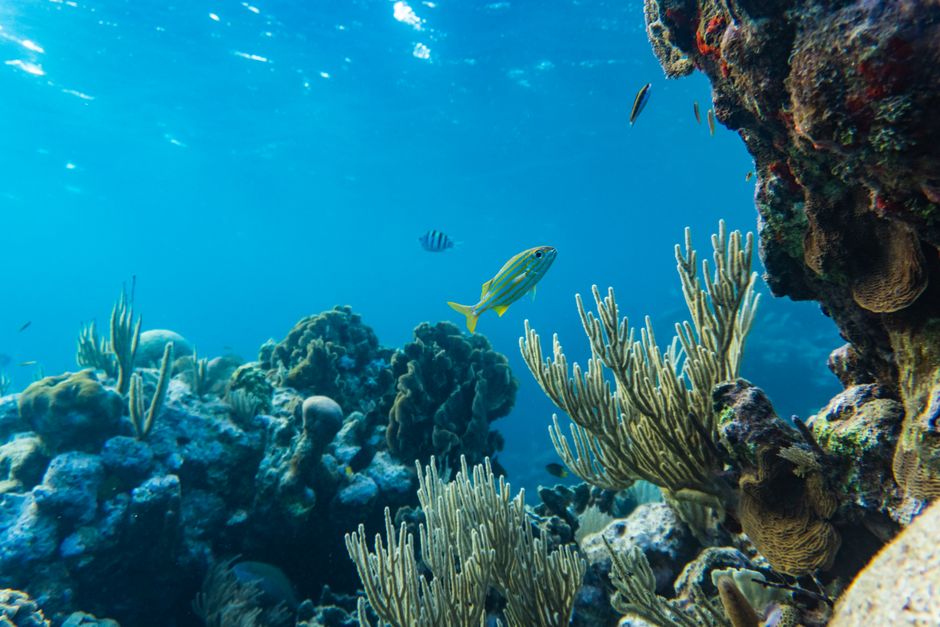
The Northeast region has quietly become one of Brazil's best-kept diving secrets. Unlike some of the more crowded Caribbean destinations, these waters remain relatively undiscovered by massive tourist crowds, which means healthier reefs and more authentic experiences. The water temperature stays warm year-round (usually between 75-84°F), visibility is generally excellent during the dry season, and you'll encounter an incredible variety of marine life—from colorful parrotfish to reef sharks, sea turtles, and if you're lucky, some playful dolphins.
What really sets Northeast diving apart is the combination of accessibility and authenticity. You're not just getting an underwater experience; you're getting a cultural immersion wrapped around it. Many dive shops are run by locals who grew up on these beaches, and they bring an insider's perspective that you just won't find in more commercialized diving destinations.
The Best Scuba Diving Spots Worth Your Time

Fernando de Noronha: The Crown Jewel
Let's start with the MVP of Northeast diving—Fernando de Noronha. This UNESCO World Heritage archipelago sits about 220 miles off the coast of Pernambuco, and honestly, it's worth every bit of the effort to get there. The visibility here is phenomenal, often reaching 150 feet or more during the dry season (August to March). You'll dive sites like Baia do Sancho and Shark Point, where you might see reef sharks, sea turtles, and groupers that seem almost prehistoric.
Fair warning: Fernando de Noronha requires a bit more planning and budget than other spots. You'll need to fly there (usually connecting through Recife), there's a daily environmental fee, and accommodations aren't cheap. But diving here feels like stepping into a documentary—the marine biodiversity is genuinely breathtaking, and you'll understand why it's become a bucket-list destination for serious divers.
Maragogi: Accessible Excellence
If you want world-class diving without the logistical complexity of getting to an archipelago, Maragogi in Alagoas state is your answer. This charming coastal town has become increasingly popular with divers over the last few years, and for good reason. The town itself has that quintessential Northeast charm—laid-back energy, amazing fresh fish restaurants, and that authentic Brazilian beach-town feel that doesn't feel staged or overly touristy.
The diving here centers around the natural pools (piscinas naturais) and coral formations that are absolutely gorgeous. You'll typically dive at depths between 30-60 feet, making it accessible for intermediate divers and certification courses. The reefs are healthy, fish populations are strong, and the water is incredibly clear. Plus, after diving, you can grab fresh ceviche at a beachfront restaurant for like $8—this is the kind of value that makes Northeast Brazil so appealing.
Recife: Urban Diving with a Twist
Recife surprised a lot of divers when it started establishing itself as a diving hub. Yes, it's a city, but the diving here is legitimately excellent. The harbor and nearby reef systems offer something different—you might dive around shipwrecks (including some interesting historical ones), artificial reefs, and natural formations. Visibility can vary more than in more remote spots, but when conditions are right, it's really rewarding.
What makes Recife special for divers is the infrastructure. You've got multiple dive shops, easy access to accommodations and restaurants, and you can combine your diving with exploration of Recife's vibrant cultural scene. The old town, Recife Antigo, is genuinely worth exploring—colonial architecture, street art, live music. It's the kind of destination where you can have a full travel experience, not just a diving trip.
Tamandaré and Porto de Galinhas: Underrated Gems
If you want to skip some of the crowds (because yes, even the less-famous spots get their admirers), Tamandaré and Porto de Galinhas offer fantastic diving with a more relaxed, local vibe. Porto de Galinhas especially has this magical quality—the natural pools at low tide create this surreal landscape, and the diving around them is excellent. You'll see barracuda, jacks, groupers, and smaller reef fish in abundance.
These towns are perfect if you're building a multi-destination itinerary. They're close enough to Recife to visit them in a day trip if you want, but they're worth staying for at least 2-3 days. The food scene is incredible (fresh shrimp, fish, and yes, plenty of caipirinhas), and the beaches are stunning for snorkeling when you're not diving.
Jericoacoara: Adventure Meets Underwater Exploration
For those of you who want to combine scuba diving with other adventures, Jericoacoara in Ceará state is hard to beat. This has become more of a kiteboarding and sandboarding destination in recent years, but the diving here is legit. The underwater landscape is different from the southern spots—you get dramatic rock formations, good visibility (seasonal), and an interesting mix of marine life adapted to the somewhat unique conditions of the Ceará coast.
Jericoacoara is perfect if you're not purely focused on diving. You can dive in the morning, kitesurf in the afternoon, and catch an absolutely stunning sunset from the main beach. The town itself has maintained a bohemian, adventurous atmosphere despite growing popularity—you'll meet travelers and expats from all over, and there's a genuine sense of community here.
Planning Your Dive Trip: What You Actually Need to Know

Best Time to Visit
The dry season (August through March) gives you the best visibility and most stable conditions. However, if you're flexible, the shoulder months (April-May and July) can offer good diving with fewer tourists. The wet season (June) generally means more rain on land but doesn't necessarily ruin diving conditions—visibility is still decent, just not optimal. Water temperature varies slightly: it's warmest (84°F) in February-March and coolest (75°F) in August-September, though honestly, you won't notice much difference.
Certification and Training
Most dive shops throughout the Northeast accept certifications from all major agencies (PADI, SSI, NAUI, etc.). If you're not certified, you have options: take an Open Water course (3-4 days, around $400-600), do a Discover Scuba introductory dive (half-day, $150-200), or get certified at home before you arrive. Honestly, getting certified in Brazil is a fun experience—you'll meet other travelers, and your instructors bring that friendly, patient approach that characterizes diving culture in the region.
Gear and Equipment
You can rent complete gear at dive shops everywhere, but if you have your own equipment, bring it—you know your gear, and you save some money. A wetsuit is optional (the water is warm), but many divers wear a thin 3mm for sun protection and comfort. Don't forget sunscreen for your non-diving hours; that Northeast sun is no joke.
Budget Expectations
A typical two-tank dive costs $120-180 depending on the location and dive shop. Certification courses run $400-700. Accommodations range from budget hostels ($25-40/night) to mid-range pousadas ($80-150/night) to nice resorts ($200+/night). Food is incredibly affordable—you can eat excellently for $5-15 per meal at local restaurants. Overall, Northeast Brazil remains one of the most affordable diving destinations in the world for the quality you're getting.
Beyond the Underwater: What Makes the Northeast Experience Special
Here's the thing—diving is amazing, but the full Northeast Brazil experience is what you'll actually remember. Between dives or on your rest days, you'll want to:
- Eat like a local: Fresh seafood, açai bowls for breakfast, and ceviche at lunch. The regional cuisine is some of Brazil's best.
- Explore colonial architecture: Towns like Olinda and Recife Antigo have historic charm that rivals anywhere in the country.
- Experience cultural performances: You might catch live forró music, capoeira demonstrations, or street performances that are genuinely world-class.
- Visit natural attractions: The Northeast has stunning beaches, beach bars called barracas, and natural pools that are perfect for non-diving days.
- Support local communities: Stay at locally-owned pousadas, eat at family-run restaurants, and book excursions with local guides.
Practical Tips for a Smooth Diving Adventure
Get your certification before you arrive if you're not already certified. This saves time and lets you maximize your diving days. Book accommodations and dive trips in advance during high season (December-February), but you can often arrange things spontaneously in shoulder seasons. Bring copies of your dive certification card—keep originals safely stored. Check your travel insurance covers diving activities (most standard policies don't). Download offline maps of areas you're visiting; internet can be spotty in smaller beach towns.
Most importantly, respect the marine environment. Use reef-safe sunscreen, don't touch the coral, keep your distance from wildlife, and follow your dive master's guidelines. These reefs are special partly because they're still relatively healthy—let's keep it that way.
Start Planning Your Northeast Diving Adventure
The Northeast coast of Brazil offers scuba diving experiences that genuinely rival more famous international destinations, but without the crowds or the pretense. Whether you're diving the pristine waters of Fernando de Noronha, exploring the healthy reefs around Maragogi, or discovering the urban diving scene in Recife, you're getting an authentic Brazilian experience wrapped around world-class diving.
The combination of warm water, excellent visibility (in season), diverse marine life, affordable pricing, and genuine local hospitality makes the Northeast an absolutely compelling choice for your 2026 diving plans. Add in the cultural richness, incredible food, and laid-back vibe of the region, and you've got a trip that goes way beyond just checking "scuba diving" off your bucket list.
Ready to explore the underwater treasures of Northeast Brazil? Start researching dive shops in your chosen location, check current travel requirements to Brazil, and book your accommodations soon if you're planning to visit during high season. The Atlantic is waiting, and trust us—your future self will be incredibly grateful you made this trip happen.
FAQ
What are the best scuba diving spots in Northeast Brazil beaches for beginners in 2026?
Porto de Galinhas in Pernambuco is one of the most beginner-friendly scuba diving spots in Northeast Brazil beaches, offering calm waters and vibrant coral reefs just offshore. Maragogi in Alagoas is another excellent choice with natural pools and diverse marine life that make it perfect for those starting their diving journey. Both locations have professional dive operators and favorable conditions year-round.
Which Northeast Brazil beach destinations offer the clearest water for scuba diving?
Jericoacoara in Ceará is renowned for its crystal-clear waters and exceptional visibility, making it one of the top scuba diving spots in Northeast Brazil beaches. Praia do Rosa and the Abrolhos Archipelago also feature pristine waters with visibility reaching up to 40 meters during ideal conditions. These locations are ideal for underwater photography and spotting diverse marine species.
What marine life can you expect to see when scuba diving in Northeast Brazil beaches?
When exploring scuba diving spots in Northeast Brazil beaches, you can encounter colorful tropical fish, sea turtles, rays, and vibrant coral formations. The region is also home to nurse sharks, groupers, and numerous species of moray eels in deeper waters. Seasonal visits may also reward divers with sightings of dolphins and migrating whale sharks, depending on the time of year.
What is the best season for scuba diving in Northeast Brazil beaches in 2026?
The dry season from September to March offers the best conditions for scuba diving spots in Northeast Brazil beaches, with calmer seas and excellent visibility. During the months of October through November, water temperatures are warm and ideal for diving without heavy wetsuits. However, some locations like Fernando de Noronha provide good diving opportunities year-round with peak season being December through February.
Are there any advanced diving spots in Northeast Brazil beaches for experienced divers?
Fernando de Noronha is the premier advanced scuba diving spot in Northeast Brazil beaches, featuring deep dives, strong currents, and encounters with large pelagic species like sharks and rays. The Atol das Rocas is another challenging destination offering wreck diving and wall dives for experienced divers seeking adventure. Both locations require proper certification and should be explored with qualified local dive masters familiar with the conditions.


Comments
Post a Comment