7 Carnival Celebrations Beyond Rio de Janeiro You Need to Experience
Let's be honest—when most people think about Carnival in Brazil, they picture Rio de Janeiro's iconic parades, massive floats, and thousands of dancers in sequined costumes. But here's the thing: some of the most authentic, electrifying, and unforgettable carnival experiences happen way beyond the Marvelous City. If you're planning a Brazilian adventure and want to skip the tourist masses while diving deep into the jeito brasileiro of celebrating, we've got you covered. Brazil's carnival scene is wonderfully diverse, and each region brings its own flavor, rhythm, and cultural magic to this legendary festival. Let's explore seven carnival celebrations that deserve a spot on your travel itinerary.
1. Salvador's Trio Elétrico Extravaganza — The Heartbeat of Northeast Carnival

If you want to experience carnival at its most authentic and energetic, Salvador is your destination. This historic city in Bahia doesn't do "traditional parade routes"—instead, it invented the trio elétrico, those massive moving stages on wheels that pump out live music while thousands of revelers follow them through the streets.
What makes Salvador's carnival unique is the electric energy that comes from the city's deep Afro-Brazilian roots. You'll hear rhythms like axé, frevo, and samba-reggae blending together in a way that feels completely different from Rio. The blocos (organized groups) are more accessible than Rio's elite samba schools, meaning you can actually join in and dance alongside locals rather than watching from bleachers.
Pro tip: Stay in the Pelourinho neighborhood, Salvador's atmospheric historic district with colonial architecture and cobblestone streets. The carnival atmosphere here is absolutely breathtaking, with parties spilling from bars and clubs all night long. Don't miss the street food vendors selling acarajé (deep-fried chickpea fritters) and fresh caipirinhas at every corner.
2. Recife and Olinda's Frevo — Dancing with Colorful Umbrellas

In Pernambuco state, you'll discover one of Brazil's most visually stunning carnival traditions: frevo. Picture this—thousands of people in the streets twirling enormous, brightly colored umbrellas while dancing to a unique brass band sound. It's hypnotic, joyful, and completely different from what you'll see elsewhere.
Recife (the larger, modern city) hosts the main carnival action, but Olinda (a charming colonial town just 10 minutes away) is where the real magic happens. The narrow, hilly streets of Olinda create an intimate festival atmosphere where you can actually interact with performers and participate in the celebrations. The wooden masks and costumes you'll see represent centuries of local tradition.
The frevo dance itself requires some serious skill—dancers move with incredible agility, making the umbrella spin while their feet barely touch the ground. Even if you don't participate, watching these skilled performers is mesmerizing. Book your accommodation in Olinda's historical center to wake up to the sound of live music every morning during carnival.
3. Manaus's Amazon Carnival — Jungle Rhythms and Modern Beats
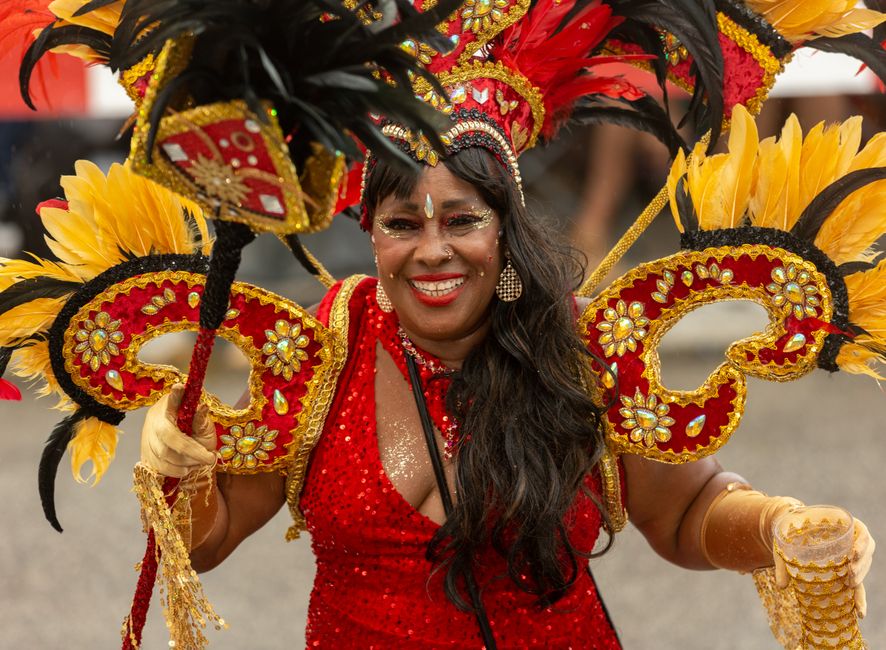
Want something completely off-the-beaten-path? Head to Manaus, deep in the Amazon rainforest. This city's carnival might be smaller than Rio's or Salvador's, but it's incredibly vibrant and heavily influenced by indigenous cultures and jungle rhythms blended with modern samba.
The beauty of Manaus's carnival is that it feels genuinely local—you won't be competing with international tour groups for the best viewing spots. The city's theater, the famous Teatro Amazonas with its rubber-boom architecture, becomes a cultural hub during the festival. You'll find competing samba schools, street performances, and parties that go deep into the night along the Rio Negro waterfront.
Consider combining your carnival experience here with Amazon adventures—jungle tours, dolphin spotting, and visits to indigenous communities are all within reach. This is adventure and cultural immersion rolled into one unforgettable trip.
4. Parintins's Bumba Meu Boi — A Living Legend
About 400 kilometers from Manaus, the small town of Parintins transforms during carnival into something that feels more like a spiritual celebration than a typical festival. Here, the Bumba Meu Boi tradition takes center stage—a centuries-old folk drama that combines indigenous, African, and Portuguese influences.
Two rival groups—Caprichoso (blue) and Garantido (red)—compete in elaborate performances that tell the story of a magical ox's death and resurrection. The costumes are intricate, the choreography is hypnotic, and the entire event feels ancient and alive at the same time. This isn't background music for dancing; it's a full theatrical experience that showcases Brazilian cultural heritage at its deepest level.
Parintins is tiny, so accommodation books up fast. Plan ahead and prepare for temperatures in the 90s Fahrenheit with intense humidity—bring lightweight, breathable clothing and stay hydrated. The cultural payoff is absolutely worth it.
5. Maceió's Carnival — Beach Vibes and Northeastern Flavor
In Alagoas state, Maceió offers a more relaxed, beach-friendly carnival experience. Picture tropical breezes, beautiful beaches, and carnival celebrations that blend samba with regional northeastern rhythms. The blocos here are smaller and more community-oriented than Rio's mega-schools.
What makes Maceió special is the combination of carnival festivity and genuine beach relaxation. You can celebrate during the day, swim in turquoise waters, enjoy fresh seafood and açai bowls, then party again at night. The beaches around Maceió (like Praia de Pajuçara) are absolutely stunning, so you're getting Caribbean-quality scenery with Brazilian carnival energy.
The vibe here is more jeito brasileiro casual—less structured, more spontaneous, more about enjoying the moment with locals. It's perfect if you want authentic carnival without the overwhelming crowds or high prices of major cities.
6. Rio Branco's Festa da Floresta — The Greenest Carnival
In Acre state, Rio Branco celebrates carnival with strong environmental consciousness—hence the name "Forest Festival." This region has deep ties to the Amazon and indigenous cultures, so you'll notice carnival here emphasizes nature themes, sustainable practices, and respect for local ecosystems.
The parades feature floats decorated with natural materials, performances highlighting rainforest conservation, and music that blends traditional samba with jungle sounds. It's carnival with a purpose, celebration with environmental awareness. If you care about responsible travel and want to support communities actively protecting the Amazon, this is your carnival.
Rio Branco is even smaller and more remote than Parintins, so you're looking at a genuinely intimate cultural experience. The infrastructure is basic but adequate, and locals are incredibly welcoming to visitors who come with genuine interest in their traditions.
7. Nazaré's Cirio — Where Carnival Meets Religious Tradition
In Belém, Pará state, the Círio de Nazaré festival combines carnival energy with deep Catholic tradition. This centuries-old celebration honors the miraculous image of Nossa Senhora de Nazaré, and it creates a unique festival atmosphere where religious devotion and joyful celebration intertwine.
Massive processions feature decorated boats on the river, street parties that last for weeks, and a blend of indigenous Amazonian traditions with Portuguese Catholic heritage. The artistic floats, performances, and street food are phenomenal. Belém's historic center, with its colonial architecture and riverside location, provides a beautiful backdrop for all the festivities.
The Círio is technically held in October, not during official carnival season, but it's worth noting if you're planning Amazonian adventures. However, Belém also celebrates carnival proper in February/March with its own vibrant blocos and street parties that capture the same regional spirit.
Planning Your Off-the-Beaten-Path Carnival Adventure
Timing and Logistics
Carnival in 2026 falls in February and March, with the main celebrations typically during the weekend before Ash Wednesday. Book flights and accommodations at least three months in advance, especially for Salvador and smaller towns. Flights from major US cities to Brazilian hubs (São Paulo, Rio, Brasília) are usually cheaper than direct flights to smaller carnival cities.
What to Pack
Lightweight, breathable clothing is essential—northern Brazil gets incredibly hot and humid during carnival. Bring comfortable walking shoes for dancing on cobblestone streets, sunscreen, and a reusable water bottle. If you plan to participate in parades, wear bright colors and consider bringing your own simple costume.
Budget Expectations
Beyond Rio and Salvador, carnival towns are generally more affordable. Expect to spend $50-100 daily on accommodation and food in smaller cities versus $150-300+ in Rio. Street food and local restaurants offer incredible value—never pass up a chance to try regional specialties.
Cultural Respect
These celebrations have deep cultural and historical significance. Approach carnival as a guest participating in community traditions, not a spectacle to photograph. Ask permission before taking photos of performers, learn a few Portuguese phrases, and show genuine interest in local stories and histories.
The Bottom Line
Brazil's carnival is so much more than Rio's famous spectacle. Each region tells its own story through music, dance, costumes, and community celebration. Whether you choose Salvador's electric trio elétrico, Olinda's intimate frevo, or Parintins's ancient Bumba Meu Boi tradition, you're in for an experience that challenges stereotypes and reveals the genuine heart of Brazilian culture. These celebrations showcase the incredible diversity within Brazil itself—from Amazonian rhythms to northeastern energy to southern traditions.
So skip the tourist traps, embrace authentic cultural immersion, and discover why carnival in Brazil is so much more than what you've seen in movies. Your adventure awaits in the streets, rhythms, and communities that keep these traditions alive.
Ready to experience real Brazilian carnival? Start researching flights to Salvador, Recife, or Manaus today—and prepare for the most energetic, joyful, and genuinely cultural celebration you've ever experienced. Drop a comment below and let us know which carnival destination calls to you!
FAQ
What are some carnival celebrations beyond Rio de Janeiro that tourists should visit?
Beyond Rio de Janeiro, Brazil has incredible carnival celebrations in cities like Salvador, Recife, Olinda, Manaus, and Parintins. Each city offers unique cultural experiences, from Salvador's Afro-Brazilian rhythms to Recife's frevo music and traditional street parades. These carnival celebrations beyond Rio de Janeiro showcase distinct regional traditions and authentic Brazilian culture that differ significantly from the famous Rio spectacle.
How is Salvador's carnival different from Rio de Janeiro's carnival?
Salvador's carnival celebrations beyond Rio de Janeiro focus heavily on Afro-Brazilian culture, with powerful trios elétricos (decorated trucks) and street performers creating an energetic, participatory atmosphere. While Rio emphasizes massive samba school competitions in a stadium format, Salvador's carnival is more street-based and celebrates Bahian rhythms like axé and ijexá. The Salvador experience is considered more inclusive and authentic, allowing visitors to directly participate in the festivities rather than observe from stands.
What makes Recife and Olinda's carnival celebrations unique?
Recife and Olinda host carnival celebrations beyond Rio de Janeiro that are deeply rooted in Pernambuco's traditions, featuring frevo orchestras with colorful umbrellas, maracatu parades with African influences, and the lively ciranda dance. These cities preserve centuries-old carnival customs that predate Rio's modern samba schools, making the experience more historically and culturally significant. The intimate, neighborhood-focused celebrations create a charming atmosphere where locals and tourists celebrate together throughout the historic colonial streets.
Why should travelers experience carnival celebrations in the Amazon region?
Manaus and Parintins offer carnival celebrations beyond Rio de Janeiro that blend indigenous Amazon traditions with Brazilian carnival culture, creating a truly unique experience. Parintins is famous for its Boi-Bumbá festival, featuring elaborate float parades and indigenous artistic expressions that showcase Amazonian heritage. These northern carnival celebrations beyond Rio de Janeiro provide an opportunity to experience Brazil's cultural diversity and explore the world's largest rainforest region while enjoying festive celebrations.
When should I plan my trip to experience carnival celebrations beyond Rio de Janeiro?
Most carnival celebrations beyond Rio de Janeiro occur in the weeks leading up to Ash Wednesday, typically between February and March, following the same calendar as Rio's carnival. However, some cities like Parintins celebrate during the Boi-Bumbá festival in June, offering a different carnival experience outside the traditional season. It's recommended to book accommodations and plan your trip 2-3 months in advance, as these carnival celebrations beyond Rio de Janeiro attract growing numbers of international visitors each year.


Comments
Post a Comment