Top Brazilian Dishes Every Food Traveler Must Try in 2026
Listen, if you're planning a trip to Brazil and you're even remotely interested in food, you're about to have the time of your life. Brazilian cuisine is one of those magical culinary landscapes that doesn't get nearly enough attention from international travelers, and honestly, that's your gain. While everyone's talking about their next European food tour, you'll be discovering regional dishes that'll absolutely transform the way you think about Latin American cooking.
Here's the thing about Brazilian food culture: it's not just about eating. It's about understanding the heart of Brazil itself—the Atlantic Forest, the Amazon, centuries of cultural fusion, and that beautiful jeito brasileiro (the Brazilian way) of doing everything with passion and soul. Whether you're lounging on a Bahian beach, hiking through historic Minas Gerais, or exploring São Paulo's underground food scene, every region has its own culinary identity waiting for you to discover it.
The Iconic Dishes You Can't Miss

Feijoada: Brazil's National Soul Food
Let's start with the heavyweight champion of Brazilian cuisine—feijoada. This isn't just a dish; it's a cultural experience wrapped in a bowl. Picture this: black beans slow-cooked with different cuts of pork, served with rice, orange slices, farofa (toasted cassava flour), and crispy pork rinds on the side. Traditionally eaten on Wednesdays and Saturdays, feijoada has roots in the colonial era and tells the complicated, layered story of Brazil itself.
You'll find the best feijoada in Rio de Janeiro and São Paulo, especially in family-run restaurants where recipes have been passed down for generations. The magic isn't in fancy presentation—it's in those deeply savory, complex flavors that only come from hours of slow cooking. Pro tip: eat it for lunch, not dinner. Brazilians know that feijoada is heavy comfort food best enjoyed during daylight hours.
Moqueca: Bahian Seafood Excellence
Head to Northeast Brazil, specifically Bahia, and you absolutely must try moqueca. This is coastal cuisine at its finest—fresh fish or seafood simmered in a coconut milk and dendê oil sauce with tomatoes, onions, and bell peppers. The dendê oil (also called palm oil) gives moqueca its distinctive golden color and rich, slightly nutty flavor that's absolutely addictive.
In Salvador and other Bahian coastal towns, moqueca isn't just food—it's tradition. The dish reflects centuries of African, indigenous, and Portuguese influences, making every spoonful a cultural immersion. Eat it right by the beach in a traditional restaurant, watch the Atlantic waves crash while you're enjoying your meal, and you'll understand why this dish defines the culinary soul of Northeast Brazil.
Pastéis de Nata: Sweet Portuguese Heritage
Okay, so technically pastéis de nata are Portuguese in origin, but Brazil has completely made them their own. These crispy, flaky pastry shells filled with creamy custard and sprinkled with cinnamon are the perfect companion to your afternoon cafezinho (small coffee). You'll find them in bakeries across the country, from Rio to the Amazon, but the best versions come from family-owned padarias (bakeries) in historic colonial towns like Ouro Preto in Minas Gerais.
Regional Specialties Worth Traveling For
Bahian Cuisine: Africa Meets Brazil
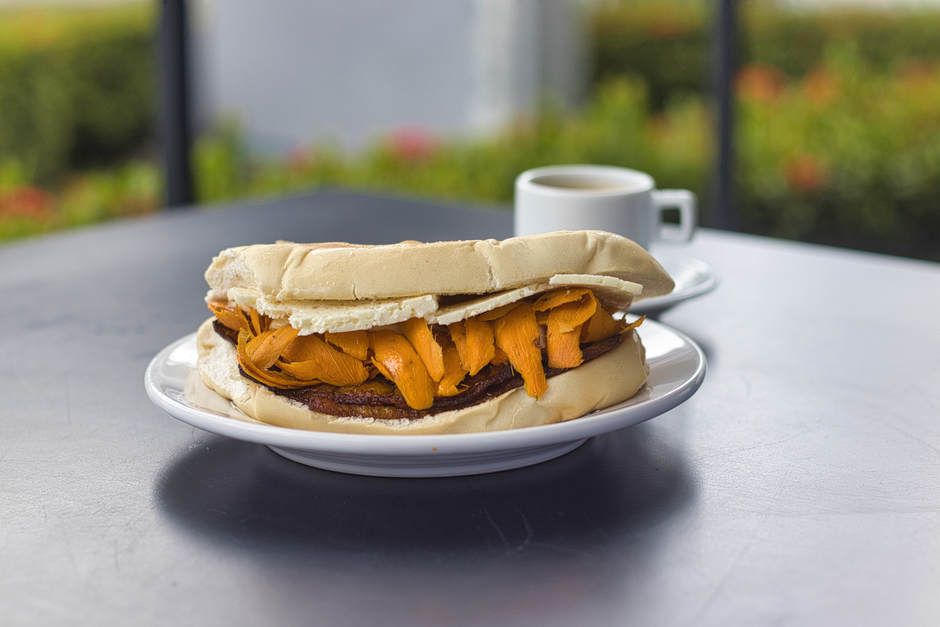
Bahian food is a masterclass in flavor complexity. Beyond moqueca, you've got to experience acarajé—deep-fried black-eyed pea fritters sold by street vendors, traditionally filled with shrimp, hot sauce, and palm oil. This is street food culture at its most authentic, and it's been part of Bahian life for centuries.
Also dive into bobó de camarão (creamy shrimp and cassava stew) and peixe à baiana (fish cooked with onions, tomatoes, and dendê oil). These dishes aren't just meals; they're edible history lessons. The African culinary traditions that shaped Bahia's food scene make it absolutely essential for any serious food traveler. Visit Salvador's historic Pelourinho neighborhood and explore food markets where vendors have been selling the same ingredients for generations.
Amazonian Flavors: From the Rainforest to Your Plate
If you're adventure-seekers heading to the Amazon, prepare your palate for ingredients you've probably never encountered before. Açaí bowls (açaí berries blended with guarana and topped with granola) aren't just Instagram-worthy breakfast—they're nutritional powerhouses that Brazilians have been eating for centuries. But go deeper.
Try tacacá, a delicious hot broth made with jambu (an Amazonian herb that creates a unique numbing sensation on your tongue), dried shrimp, and cassava starch. Order pirarucu (a massive freshwater fish) grilled or in stews. These aren't mainstream Brazilian dishes, but they represent the true culinary diversity of the Amazon region. When you eat these foods, you're supporting local communities and understanding the biodiversity of the world's largest rainforest.
Mineiro Food: Mountain Traditions and Comfort
Historic Minas Gerais isn't just about colonial architecture tours—it's a food destination. The mountain region developed its own culinary identity centered around cheese, corn, and slow-cooked meats. Broa (a corn-based bread), queijo meia cura (semi-aged cheese), and caldo de feijão (bean broth) are simple but absolutely satisfying.
Visit the charming colonial towns like Ouro Preto and Tiradentes, and you'll find restaurants serving traditional mineiro food in historic settings. The food here is about mountain heritage, about recipes that have sustained communities for centuries. It's comfort food with serious soul.
Street Food and Market Culture

Where to Find Authentic Flavors
Honestly, some of the best Brazilian food happens on the street. Beyond acarajé, you've got coxinha (fried teardrop-shaped snacks filled with shredded chicken), pão de queijo (cheese bread that's addictively good), and pastel (fried pastry parcels with various fillings). Hit up local markets and street corners in any Brazilian city, and you'll discover endless variations.
São Paulo's food scene deserves special attention. The city's street food is legendary—from Japanese-Brazilian fusion foods in the Liberdade neighborhood to traditional paulista snacks in the historic center. But don't sleep on Salvador's markets, Rio's food trucks, or the smaller cities where vendors have perfected their recipes over decades.
Food Markets: Sensory Overload (In the Best Way)
Visit CEASA (wholesale markets) in Rio, Ver-o-Peso in Belém, or any local feira (market) in your destination city. These aren't just shopping spaces—they're cultural hubs where you'll see exactly what the region produces, taste fresh fruits you've never heard of, and maybe grab some local cheese or honey to take back to your accommodation. The energy, the colors, the sounds, the smells—it's pure sensory Brazil.
Beverages That Complete the Experience
Caipirinha: Way More Than Just a Drink
Every travel guide mentions caipirinhas, but here's what they don't always tell you: there's a massive difference between a poorly made caipirinha at a resort and an expertly crafted one at a proper bar. The drink is beautifully simple—cachaça (sugarcane spirit), lime, brown sugar, and ice—but execution matters enormously. The sugar should be muddled gently, the lime should release oils without bitterness, and the cachaça should be quality stuff.
Try regional variations too. In some parts of Brazil, you'll get caipirinhas made with different fruits like passion fruit or açaí. Each variation tells you something about the region's agricultural bounty.
Guarana: The Amazonian Energy Drink (Before Energy Drinks Were Cool)
Brazilians have been drinking guarana—a natural stimulant from Amazonian berries—for centuries. Try guarana sodas, guarana powder mixed into smoothies, or straight-up guarana beverages. It's less aggressive than artificial energy drinks but genuinely energizing, and it's deeply tied to Amazonian culture.
Planning Your Culinary Journey
When and Where to Eat Like a Local
Lunch in Brazil is the biggest meal of the day. Most restaurants offer a buffet-style lunch service called "por quilo" (by weight) where you fill your plate and pay accordingly. This is genuinely the best way to try multiple dishes and eat affordably. Dinner tends to be lighter and later—Brazilians typically don't eat dinner until 8 or 9 PM.
Food tourism is growing, but you haven't missed the window where authentic experiences are still accessible. Small family-run restaurants in colonial towns, hole-in-the-wall spots in São Paulo's neighborhoods, beachfront food shacks in Bahia—these places still operate with the same recipes and values they've always had.
Food Tours and Cooking Classes
If you want to dive deeper, take a guided food tour in your destination city. Walking tours of historic food markets with local guides offer context and connections you won't get alone. In some regions, you can take cooking classes where locals teach you to make traditional dishes in home kitchens. These experiences create real cultural connections and often support local families directly.
Pro Tips for Food Travelers in Brazil
- Learn a few food-related Portuguese phrases. Brazilians genuinely appreciate when travelers try to communicate in Portuguese, and food vendors especially love sharing their passion with engaged customers.
- Eat breakfast/lunch at the counter of botequins (casual neighborhood bars/cafés). This is where locals actually eat, and you'll find incredible food at ridiculously low prices.
- Ask locals where they eat. Hotel staff recommendations can be hit-or-miss, but asking other travelers or local residents about their favorite neighborhood spot usually yields hidden gems.
- Be adventurous with unfamiliar ingredients. This is South America's culinary diversity—embrace it.
- Visit during festival season (throughout the year) when regional specialties take center stage. Food becomes part of cultural celebrations like Carnival and various regional festivals.
- Don't just eat in big cities. Some of the most authentic food experiences happen in smaller colonial towns, beach villages, and mountain communities.
Your Brazilian Food Adventure Awaits
Brazilian cuisine deserves a spot on every food traveler's bucket list, right alongside Italy, Thailand, and Japan. What makes it special isn't just the flavors—though those are incredible—it's the story behind every dish. When you eat feijoada, you're tasting colonial history. When you try moqueca, you're experiencing African and Portuguese influences merged with indigenous traditions. When you grab an acarajé from a street vendor in Salvador, you're participating in centuries-old cultural practice.
The beauty of traveling to Brazil for food is that you don't need a massive budget. Some of the best meals happen in modest settings, prepared by people who take genuine pride in their craft. Combine your culinary explorations with the country's other incredible attractions—hike through the Atlantic Forest, explore historic mining towns, relax on world-class beaches, or adventure in the Amazon. Let food be the thread that connects your Brazilian experience.
Ready to discover Brazil through its flavors? Start planning your culinary journey today, research regional specialties for your destination, and don't be afraid to eat where locals eat. Trust us—your palate will thank you, and you'll return home with food memories that rival any destination on Earth.
FAQ
What is Feijoada and why is it considered the national dish of Brazil?
Feijoada is a hearty black bean stew made with various cuts of pork, including ears, tail, and feet, slow-cooked until incredibly tender. It's considered Brazil's national dish because it reflects the country's history and cultural diversity, originating from a combination of Portuguese and African influences. This iconic dish is traditionally served with rice, orange slices, and farofa (cassava flour), making it a must-try for any food traveler exploring authentic Brazilian cuisine in 2026.
Where can you find the best Pastel de Nata in Brazil and what makes it special?
Pastel de Nata, a creamy custard tart with a caramelized sugar top, originated in Portugal but has become beloved throughout Brazil, especially in bakeries and cafés. The best versions feature a crispy, flaky phyllo crust that contrasts perfectly with the smooth, vanilla-infused custard filling. Food travelers should seek out traditional bakeries in major cities like São Paulo and Rio de Janeiro, where these pastries are baked fresh daily and served warm, often paired with Portuguese-style coffee.
What are Coxinhas and how do they differ from other Brazilian street food?
Coxinhas are teardrop-shaped fried pastries typically filled with shredded chicken, cream cheese, and sometimes green peas, making them a beloved Brazilian street food and appetizer. Unlike other Brazilian snacks, coxinhas have a distinctive smooth, golden exterior and creamy interior, creating a unique texture combination. They're perfect for food travelers looking for quick, authentic bites and are widely available at street vendors, restaurants, and casual eateries throughout Brazil.
Can you explain what Moqueca is and which regions of Brazil are famous for it?
Moqueca is a traditional Brazilian fish stew made with fresh seafood, coconut milk, dendê oil (palm oil), tomatoes, onions, and cilantro, creating a rich and aromatic coastal dish. The northern states of Bahia and Espírito Santo are most famous for their moqueca traditions, each region having its own subtle variations in preparation and ingredients. Food travelers visiting Brazil's northeastern coast should definitely sample this dish, as it perfectly represents the country's seafood heritage and African-influenced cooking techniques.
What is Brigadeiro and why is it an essential Brazilian dessert for travelers to try?
Brigadeiro is a beloved Brazilian chocolate confection made from condensed milk, cocoa powder, butter, and sugar, rolled in chocolate sprinkles to create a fudgy, bite-sized treat. It's essential for food travelers to try because it's served at virtually every Brazilian celebration, bakery, and restaurant, representing the country's sweet tooth and festive culture. The simplicity of this dessert belies its addictive quality, making it the perfect way to end a meal while experiencing authentic Brazilian culinary traditions in 2026.


Comments
Post a Comment