How to Get Around Brazil: Cheapest Transportation Options in 2026
Planning a trip across Brazil and worried about burning through your entire travel budget just getting from point A to point B? Here's the good news: Brazil's transportation network is extensive, surprisingly affordable, and way more accessible than most travelers think. Whether you're island-hopping along the Northeast coast, exploring the Amazon, or road-tripping through the colonial towns of Minas Gerais, I've got you covered with the real breakdown of how to move around this massive country without breaking the bank.
Why Brazil's Transportation Deserves Your Attention
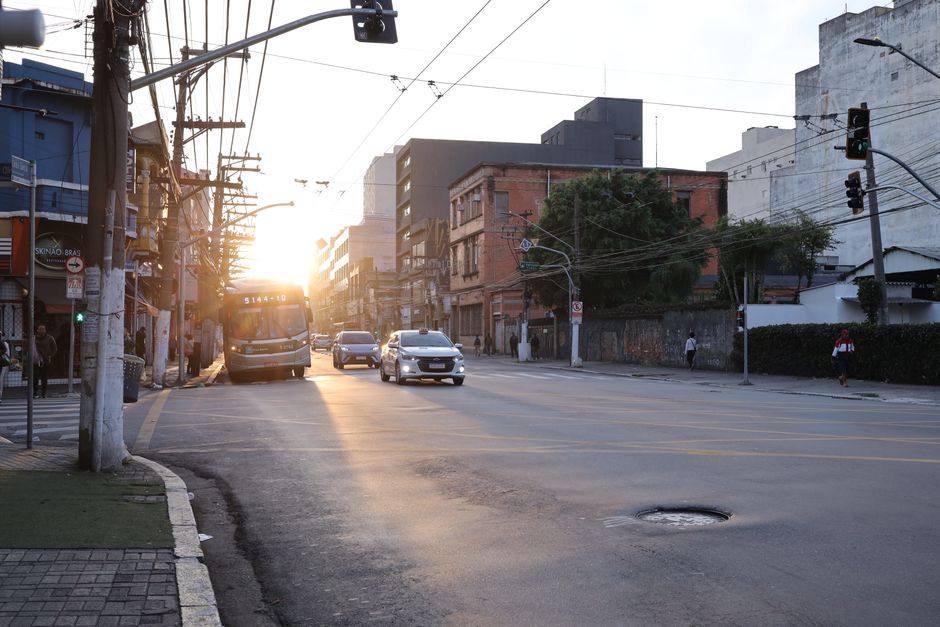
Brazil covers nearly 3.3 million square miles—that's bigger than the continental United States. Getting around efficiently isn't just a nice-to-have; it's essential for making the most of your adventure. The jeito brasileiro (Brazilian way) of travel combines practicality with a laid-back vibe that makes even long journeys feel like part of the experience. The good news? You don't need deep pockets to do it right.
Long-Distance Buses: The Budget Traveler's Best Friend

Why Buses Dominate Brazilian Travel
Let's start with the backbone of affordable travel in Brazil: intercity buses. This is genuinely where you'll save the most money, and honestly, it's a quintessential Brazilian experience. Major routes connect practically every city worth visiting, and the quality varies from basic to surprisingly luxurious depending on what you're willing to spend.
Bus Tiers and What to Expect
Budget buses (called "comum" or "executivo") typically cost between $15-40 USD for journeys up to 8 hours. Comfortable options like "semi-leito" (semi-bed) and "leito" (full bed) run $40-100 for overnight trips. The Rio de Janeiro to São Paulo route—one of Brazil's most popular—costs around $25-35 for a 6-hour journey on standard buses, while the overnight leito option runs closer to $80-90.
Companies like Greyhound Brasil, Buser, and regional operators like Cometa and Util offer competitive pricing. Pro tip: booking 2-3 weeks in advance through platforms like Clickbus or directly on company websites often yields 10-20% discounts.
The Real Experience
Intercity buses in Brazil come with surprises. You'll get complimentary snacks on longer routes, onboard bathrooms (usually), and sometimes even entertainment systems. The social aspect is genuinely fun—fellow travelers become temporary companions, and you'll hear stories that no guidebook can capture.
Domestic Flights: Cheaper Than You'd Think
When Flying Actually Saves Money
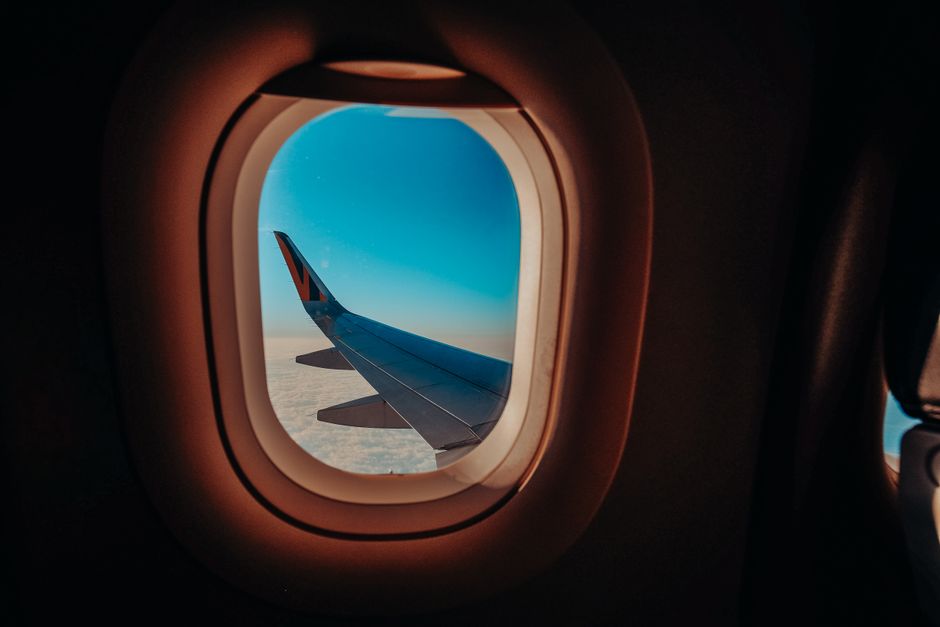
This might sound counterintuitive, but domestic flights in Brazil can compete with buses on price for longer distances. Airlines like Gol, LATAM, and Azul regularly offer promotional fares that drop below $100 round-trip for routes like São Paulo to Salvador or Rio to Recife, especially if you book 3-4 weeks ahead or grab last-minute deals.
For a trip covering 1,000+ miles (like São Paulo to Manaus), a $70-100 flight saves you 20+ hours of bus travel. Calculate the value of your time versus money—sometimes flying wins the equation, especially if you're on a shorter vacation.
Insider Flight-Booking Strategies
- Use comparison tools: Kayak, Skyscanner, and Google Flights track Brazilian carriers efficiently
- Check airline websites directly: Promotions sometimes appear there first
- Fly mid-week: Tuesday and Wednesday departures are cheaper than weekends
- Set price alerts: Monitoring fares for 2-3 weeks before travel helps you catch sweet deals
- Consider regional airports: Flying into Congonhas (São Paulo) instead of Santos Dumont (Rio) or exploring lesser-known hubs can trim costs
Urban Transportation: Navigating Cities Like a Local
Buses and BRT Systems
Within cities, buses are incredibly cheap—typically $1.50-3 USD per ride. Rio and São Paulo have BRT (Bus Rapid Transit) systems that are faster and more reliable than regular buses. Most Brazilian cities use tap-card systems (like Rio's Cartão de Crédito de Transporte), so grab one at any station rather than paying cash for individual tickets.
Metros and Light Rail
São Paulo, Rio, and Brasília have metro systems. A single ride costs around $1.50-2 USD, making them the fastest way to beat traffic. A 10-journey ticket offers modest savings. In Rio, the metro connects you to the beach areas, Copacabana, and Ipanema efficiently—perfect for adventure seekers hitting those famous spots.
Apps That Change the Game
Download Moovit or Citymapper before arriving. These apps work brilliantly in major Brazilian cities, showing real-time bus arrivals, metro connections, and estimated travel times. They're free and essential for anyone not fluent in Portuguese navigating unfamiliar cities.
Trains: The Scenic, Forgotten Option
Passenger train service in Brazil is limited compared to buses, but certain routes are magical. The tourist train from Curitiba to Morretes ($40-60) winds through Atlantic Forest scenery. The train journey through the Serra da Mantiqueira toward Minas Gerais offers breathtaking landscapes. These aren't budget options, but they deliver cultural immersion and Instagram-worthy moments that justify the splurge.
Rental Cars and Road Trips
Is Renting Worth It?
Car rental starts around $25-40 daily for basic vehicles. Fuel costs roughly $4-5 per gallon. Road conditions vary dramatically—highways connecting major cities are solid, but rural routes require more caution. Brazilian drivers have a passionate relationship with traffic laws, so the jeito brasileiro on roads can feel chaotic if you're not accustomed to it.
When Renting Makes Sense
Self-driving works best for regional exploration: wine touring through Rio Grande do Sul, beach-hopping along Santa Catarina, or exploring the colonial towns scattered through Minas Gerais. For major cities, public transport and ride-sharing apps (Uber, 99) are safer and cheaper.
Ride-Sharing and Local Alternatives
Uber and 99
These apps work smoothly in Brazilian cities and cost significantly less than traditional taxis. An Uber ride across Rio's Zona Sul typically runs $8-15 USD. The apps display prices upfront—no surprises like with metered cabs. This is genuinely the most convenient way to navigate within cities, especially late-night.
Moto-Taxis and Local Options
In smaller cities and neighborhoods, motorcycle taxis ("moto-táxis") offer fast, cheap transport at $1-3 per ride. They're common in the Northeast and interior regions. It's quintessentially Brazilian and adds character to your trip, though they're definitely not for the risk-averse.
Money-Saving Strategies That Actually Work
Combination Approach
Mix transportation modes strategically. Fly expensive stretches (like crossing 2,000 miles from São Paulo to Manaus), bus shorter routes (like São Paulo to Curitiba: 6 hours, $15-25), and use city public transport for daily exploration. This hybrid approach optimizes both cost and time.
Regional Tourism Cards
Some states offer transport passes. Rio's Cartão de Crédito provides savings on multiple rides. Check with local tourism offices upon arrival—these deals aren't heavily marketed but can reduce transport costs by 15-20%.
Slow Travel Saves Money
Stay longer in each location. This reduces transportation frequency and lets you experience cultural immersion that money can't buy—learning capoeira in Salvador, exploring favela tours with community guides, or taking capoeira classes at local academies. The Airbnb model works well in Brazil; monthly rates drop 30-40% compared to nightly bookings.
Special Considerations for Adventure Destinations
Amazon and Remote Areas
The Amazon requires flights or boats. Manaus is the main hub; flights from São Paulo run $70-150 each way. Boat transportation along the Amazon River is cheaper but slower—think 2-3 days between major towns. Budget travelers combine these: fly to Manaus, then boat downriver to smaller settlements.
Pantanal and Eco-Tourism
The Pantanal wetlands require organized tours (usually $100-150/day all-inclusive). Getting to gateway cities like Campo Grande or Cuiabá via bus ($40-70) connects you to this breathtaking landscape where jaguars and caiman roam.
Iguazu Falls Logistics
Buses from São Paulo or Rio to Puerto Iguazú run $60-100 and take 18-24 hours. Flying costs more ($100-200) but saves significant time. The falls themselves are accessible from both the Argentine and Brazilian sides; the Argentine side offers more trails and adventure activities.
Seasonal and Practical Tips
Travel during shoulder seasons (April-May or September-October) and you'll find cheaper fares, shorter queues, and fewer crowds at major destinations. Carnival season (February-March) and July school holidays drive prices up across all transportation sectors.
Always have a backup plan. Brazil's transportation infrastructure is solid, but occasional delays happen—especially during rainy season (November-April). Build flexibility into your itinerary.
The Real Cost Breakdown
Budget roughly $25-50 daily for transportation if moving between cities every 2-3 days. Urban transport adds $3-5 daily. Compare this to developed countries, and Brazil's value becomes crystal clear. A month-long journey spanning beaches, rainforest, cities, and colonial towns might average $30-40 daily in transportation costs.
Final Thoughts: The Journey IS the Destination
In Brazil, getting from place to place isn't just logistics—it's part of the adventure. That overnight bus through the Cerrado landscape, the ride-share conversation with a local who becomes your friend, the train journey through Atlantic Forest—these moments define your trip as much as reaching your destinations.
Master these transportation options, book smart, and you'll discover that exploring Brazil's diverse landscapes—from the Amazon's green infinity to Salvador's colorful colonial streets, from Rio's iconic beaches to Minas Gerais' historic mining towns—is entirely achievable without draining your savings account.
Ready to Explore Brazil on Your Budget?
Start planning your route, compare those bus fares on Clickbus, and set flight price alerts for your dream destinations. Share your transportation wins and discoveries in the comments below—fellow travelers love hearing real tips from adventurers who've navigated Brazil's incredible network. And if you want more insider strategies for budget travel across Brazil's stunning regions, subscribe to our newsletter. Your next Brazilian adventure is waiting, and it's cheaper than you think.
FAQ
What is the cheapest way to travel between cities in Brazil?
Buses are by far the cheapest option for intercity travel in Brazil, with companies like Greyhound-equivalent services offering tickets at a fraction of flight costs. For example, a long-distance bus journey can cost between $20-50 USD, while flights often exceed $100. Overnight buses are particularly economical as they save on accommodation costs while getting you to your destination.
How can I save money on public transportation in major Brazilian cities?
Purchase rechargeable transit cards or passes that offer discounted fares compared to single tickets in cities like São Paulo, Rio de Janeiro, and Brasília. Many cities also offer multi-day tourism passes that provide unlimited access to buses, metros, and trams. Using public transportation instead of taxis or rideshares can save you 70-80% on daily transportation costs.
Are rideshares like Uber cheaper than taxis in Brazil?
Uber and similar apps are generally cheaper than traditional taxis, especially during non-peak hours, and offer transparent pricing before booking. However, public buses and metros remain significantly more economical for getting around cities. For budget-conscious travelers, combining walking with occasional bus rides will always be the cheapest option.
What about domestic flights and travel apps for finding cheap fares in Brazil?
While domestic flights aren't the cheapest option, apps like Skyscanner and Kayak can help find budget airline deals during off-season travel. Airlines like Gol and Azul often have promotions, but buses are still more economical for most routes. Book flights in advance and be flexible with dates to potentially find deals comparable to or slightly above bus fares.
Is renting a car a cost-effective option for traveling around Brazil?
Car rentals in Brazil are expensive when you factor in fuel, tolls, and parking, making them impractical for budget travelers unless splitting costs with multiple people. Public buses and organized tours are far more economical, especially for visiting popular destinations. Renting a car makes sense only if you're planning to explore remote areas not well-served by public transportation.


Comments
Post a Comment