Indigenous Culture Experiences in Central Brazil 2026: Costs and Insider Tips
If you're looking to move beyond the typical Rio beaches and São Paulo street food scene, Central Brazil is calling your name. This region—dominated by the states of Mato Grosso, Goiás, and the Federal District—offers something that most tourists completely overlook: genuine opportunities to connect with indigenous communities and experience cultures that have thrived for thousands of years in the heart of the Brazilian wilderness.
Here's the real talk: visiting indigenous territories isn't like checking off another Instagram-worthy destination. It's a profound cultural immersion that requires respect, preparation, and honest engagement with communities who are actively working to preserve their traditions while navigating the modern world. And yes, it's also incredibly rewarding—the kind of travel experience that genuinely changes how you see Brazil and the world.
Why Central Brazil's Indigenous Communities Deserve Your Attention

Central Brazil is home to some of Brazil's most significant indigenous populations, including the Xingu peoples, Kuikuro, Waura, and Mehinaku communities, among many others. Unlike some tourist destinations where "indigenous experiences" have been heavily commercialized (and often misrepresented), Central Brazil still offers relatively authentic cultural encounters—though this is rapidly changing as tourism pressures increase.
The region's landscape is equally impressive: sprawling cerrado grasslands, rivers that seem endless, waterfalls hidden in remote areas, and forests that feel genuinely untouched. When you combine cultural immersion with these breathtaking landscapes, you get travel experiences that rival anything you'll find in the Amazon or Atlantic Forest regions.
The Main Indigenous Communities and What They Offer
The Xingu River Communities
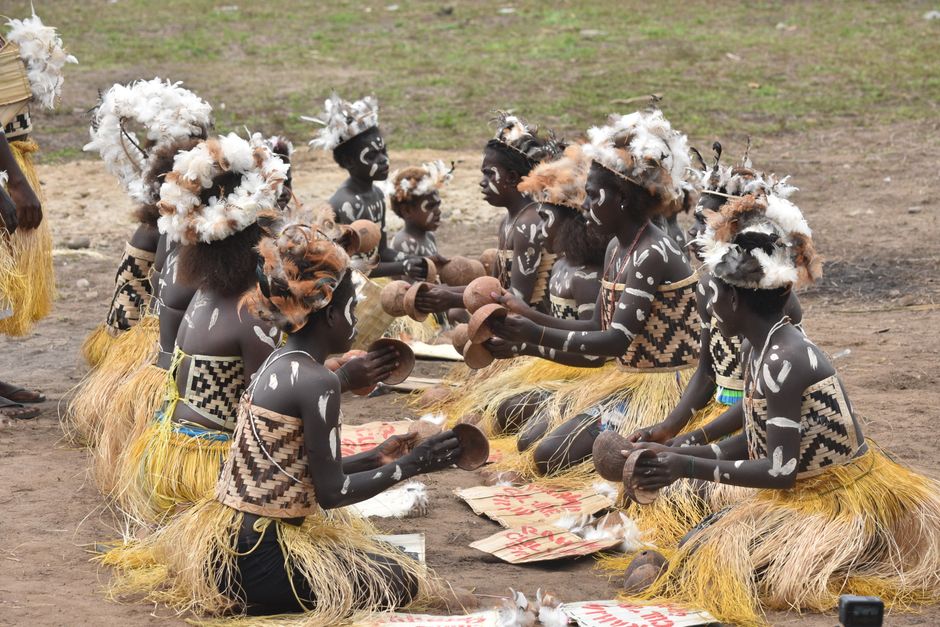
The Xingu River region, located in Mato Grosso state, is home to the Kuikuro, Waura, Mehinaku, and Yawalapiti peoples. These communities have maintained their traditional ways for centuries and now carefully welcome visitors who approach them with genuine respect.
What you'll experience: traditional village tours, learning about indigenous agriculture and fishing techniques, participating in ritual ceremonies (when appropriately invited), and understanding the intricate relationship these peoples have with the river and forest. You'll see how they construct traditional houses, prepare meals using ancestral methods, and maintain their craft traditions—from pottery to featherwork that's absolutely stunning.
The Goiás Indigenous Territories
Goiás state hosts the Xerente and Javaé peoples, who maintain strong cultural practices while actively engaging with tourism in a controlled way. These communities have established more structured tourism programs compared to some Xingu villages, which means more reliable access and clearer logistics.
The Javaé people, living on Bananal Island, offer unique experiences centered on river culture and seasonal ceremonies. The Xerente communities provide insights into cerrado-adapted traditions and contemporary indigenous life.
What Does an Indigenous Culture Experience Actually Cost in 2026?

Let's break down the financial reality. Visiting indigenous communities in Central Brazil isn't a budget activity, but it's also not outrageously expensive when you understand where your money goes.
Transportation and Access
- Flights to Cuiabá or Goiânia: $150-300 USD from major US cities (connecting flights), or $400-600+ for direct options
- Local flights to remote communities: $200-400 USD one-way. This is essential—there's no road access to most villages
- Boat transportation within communities: Included in most package deals, but expect $50-100 USD per day if arranging independently
Community Visit Costs
This varies significantly based on which community you visit and how structured the experience is:
- Kuikuro and Waura villages: $800-1,200 USD for 3-4 day visits, including village guides, meals, and activities
- Xerente experiences in Goiás: $600-900 USD for similar duration
- Organized tours through agencies: $1,500-2,500 USD for 5-7 days (includes flights from major cities, accommodation, all activities, and interpreter guides)
Accommodation
Most visitors stay in the villages themselves in basic guesthouses or homestays ($30-60 USD per night) or use nearby eco-lodges ($80-150 USD per night) and do day visits. The homestay option is typically more culturally immersive but requires comfort with basic amenities.
Food and Daily Expenses
Budget $40-60 USD daily for meals (often included in organized tours), plus $20-30 for incidentals.
Total estimated cost for a quality 5-7 day Central Brazil indigenous experience: $2,000-3,500 USD per person (including flights from São Paulo or Brasília, accommodation, all activities, and guides).
How to Visit Responsibly: The Jeito Brasileiro Way
Here's where this gets really important. Indigenous communities in Central Brazil are not museums or performance venues. They're living, breathing societies with their own agendas, politics, and boundaries. The "jeito brasileiro"—that characteristic Brazilian way of doing things with warmth and flexibility—applies here, but it must be balanced with genuine respect.
Work with Legitimate Operators
Partner with organizations that communities actually endorse. Some solid options include:
- Kuikuro Association (Associação Indígena Kuikuro): Direct bookings through the community
- Instituto Raoni: Works with multiple Xingu communities
- Brazilian indigenous tourism cooperatives: Now operating in Goiás and Mato Grosso
Avoid operators who promise "untouched tribes" or treat communities as tourist attractions rather than partners in the exchange.
Respect Boundaries and Sacred Spaces
Some ceremonies and areas are off-limits to visitors—period. This isn't negotiable, and trying to photograph or participate in sacred rituals without explicit, informed permission is deeply disrespectful and often prohibited by law.
Learn Before You Go
Spend a few hours reading about the specific community you're visiting. Understanding basic history, social structures, and contemporary challenges shows respect and makes your visit infinitely richer. Communities appreciate visitors who come informed rather than expecting to learn everything from scratch.
Contribute Fairly
Make sure your money actually supports the community. Ask directly where tourism revenue goes. Legitimate operations will have transparent conversations about this.
The Best Time to Visit Central Brazil's Indigenous Territories
Timing matters significantly here:
- May to September: Dry season. Best for river travel and village access. Weather is cooler (still warm, but manageable). River levels are lower, making boat navigation easier.
- October to April: Rainy season. More challenging logistics, higher water levels, but landscape is greener and wildlife more active. Some communities limit visits during this period.
Plan your visit for May-September if possible, and book 2-3 months in advance. Communities sometimes limit visitor numbers during specific seasons or for cultural reasons.
What to Actually Pack for This Adventure
- Light, breathable clothing (cotton and quick-dry materials)
- Sturdy waterproof hiking boots or water shoes
- Sun protection (high SPF sunscreen, wide-brimmed hat)
- Insect repellent (serious business in Central Brazil)
- Medications for common travel issues (anti-diarrheal, pain relievers)
- Respectful camera gear (ask before photographing people)
- Minimal valuables—truly unnecessary here
Beyond the Villages: What Else Central Brazil Offers
While you're in the region, consider pairing your indigenous experience with other activities:
- Chapada dos Guimarães National Park: Stunning cerrado landscapes, waterfalls, and hiking trails near Cuiabá
- Pantanal Wetlands: South America's largest tropical wetland, perfect for wildlife spotting
- Goiás culinary scene: Local restaurants serving regional dishes you won't find elsewhere in Brazil
The Reality Check: Is This Right for You?
Indigenous community visits in Central Brazil aren't for everyone, and that's okay. You should consider this experience if you:
- Have genuine curiosity about indigenous cultures (not exoticizing them)
- Can handle basic accommodation and remote travel logistics
- Are willing to follow community guidelines strictly
- Have patience for activities that don't fit strict schedules
- Respect that you're a guest in someone else's home
This isn't a resort experience where your comfort is the priority. It's a cultural exchange where you're privileged to participate in another way of life.
Final Thoughts: Why This Matters Now More Than Ever
Indigenous territories in Central Brazil face increasing pressures from deforestation, agricultural expansion, and climate change. Supporting responsible tourism that benefits communities directly helps create economic incentives to maintain and protect these territories and cultures.
When you visit thoughtfully, you're not just having an amazing travel experience—you're contributing to the preservation of cultures and ecosystems that have sustained themselves for millennia.
Ready to make this happen? Start by researching specific communities that call to you, connect with legitimate tour operators, and give yourself plenty of planning time. Central Brazil's indigenous cultures are waiting to welcome visitors who come with open hearts and genuine respect.
FAQ
What are the average costs for indigenous culture experiences in central Brazil in 2026?
Indigenous culture experiences in central Brazil typically range from $150 to $500 per day depending on the type of tour and activities included. Guided village tours usually cost between $200-300, while multi-day immersion experiences can run $400-800 per person. Budget accommodations and meals with local communities are often more affordable, starting around $100-150 daily. Prices may increase during peak tourist season from June to September.
Which indigenous tribes in central Brazil offer the best cultural experiences for visitors?
The Xingu region features several welcoming tribes including the Kuikuro, Waura, and Mehinaku, known for their authentic indigenous culture experiences in central Brazil. The Kalapalo people also offer exceptional cultural immersion programs with traditional crafts, fishing techniques, and storytelling. The Bororo people in Mato Grosso provide memorable experiences through their elaborate rituals and sustainable tourism initiatives. These communities have established tourism programs that balance cultural preservation with economic benefits for their people.
What insider tips should travelers follow when visiting indigenous communities in central Brazil?
Always book tours through established indigenous organizations or certified local guides to ensure ethical practices and direct community benefits. Learn basic Portuguese phrases and show genuine respect for local customs, including asking permission before taking photographs. Visit during the dry season (May-September) for better access to remote communities and indigenous culture experiences in central Brazil. Pack light, bring cash (ATMs are scarce), and consider bringing small, practical gifts rather than toys or money.
Are there budget-friendly options for indigenous culture experiences in central Brazil?
Yes, many communities offer more affordable experiences through volunteer programs and homestays, starting at $50-100 per day including accommodation and meals. Group tours organized with other travelers can significantly reduce costs while providing indigenous culture experiences in central Brazil at reasonable rates. Some NGOs and cultural organizations offer discounted rates for students and researchers interested in genuine cultural exchange. Visiting during the low season (November-April) may also yield better pricing from local tour operators.
What activities are typically included in indigenous culture experiences in central Brazil?
Most indigenous culture experiences in central Brazil include traditional craft workshops like basket weaving, pottery, and body painting, along with guided tours of villages and sacred sites. Participants often engage in traditional hunting or fishing techniques, learn about medicinal plants, and participate in communal meals featuring indigenous cuisine. Many programs incorporate storytelling sessions, dance performances, and ceremonies when culturally appropriate. Some experiences also include eco-tourism activities like jungle trekking and wildlife observation combined with cultural education.


Comments
Post a Comment