Carnival vs Festa de São João: Which Brazilian Festival Should You Experience?
Brazil doesn't just celebrate holidays—it transforms them into unforgettable cultural explosions that draw millions of visitors from around the globe. If you're dreaming about experiencing traditional Brazilian festivals and events, you've probably heard about Carnival and Festa de São João. But here's the thing: they're completely different beasts, and choosing between them depends on what kind of traveler you are.
Whether you're seeking the electrifying rhythm of samba, colorful parades, and non-stop parties, or you'd rather immerse yourself in folk traditions, bonfires, and authentic regional culture, both festivals offer genuine windows into the Brazilian jeito de ser—that characteristic Brazilian way of celebrating life. Let's break down what makes each one special and help you figure out which one deserves a spot on your travel calendar.
Understanding Carnival: The World's Biggest Party

When most people think "Brazilian festival," Carnival is what pops into their heads. And honestly, it's not hard to understand why. This isn't just a festival; it's a month-long cultural phenomenon that peaks during the days leading up to Ash Wednesday. The main events happen in February or early March, depending on the lunar calendar each year.
What Makes Carnival So Iconic
Carnival is where samba takes center stage in the most spectacular way imaginable. Samba schools—organized community groups that spend months preparing elaborate costumes, choreography, and floats—compete in massive parades called desfiles. These aren't your average neighborhood parades; they're professional-level productions with thousands of dancers, musicians, and performers moving through the streets in synchronized perfection.
Rio de Janeiro's Carnival remains the most famous globally, with the Sambadrome hosting the main parade competition. But here's what surprises many first-time visitors: Carnival happens everywhere across Brazil. São Paulo, Salvador, Manaus, and dozens of other cities have their own unique celebrations. Salvador's Carnival, for instance, emphasizes local music genres like axé and forró, creating a vibe that's distinctly different from Rio's samba-centric celebrations.
The Carnival Experience for Visitors
If you decide to experience Carnival, you're looking at several ways to participate. You can buy tickets to watch the official parades in stands with excellent views, join street blocos (neighborhood block parties) that parade through your area, or do what many travelers do: find a local community and join the dancing. The energy is infectious—strangers become dance partners, and everyone's moving to the same intoxicating beat.
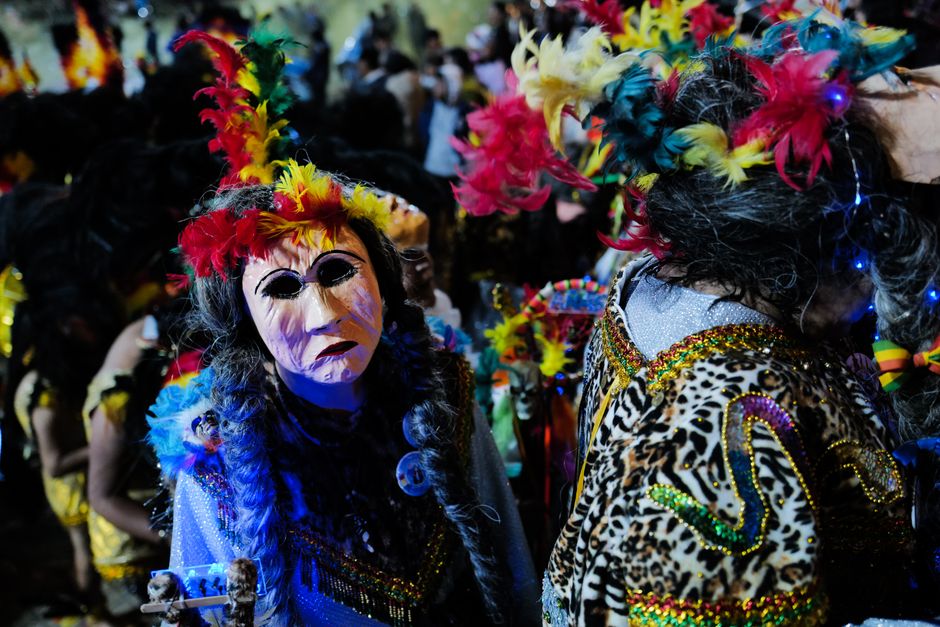
The atmosphere is hedonistic, colorful, and deeply joyful. You'll see elaborate feathered costumes, body glitter applied with abandon, and people from all walks of life celebrating together. It's expensive during peak Carnival days, though, so budget accordingly. Accommodation prices triple, and getting tickets to major parades requires booking months in advance.
Festa de São João: The Authentic Alternative
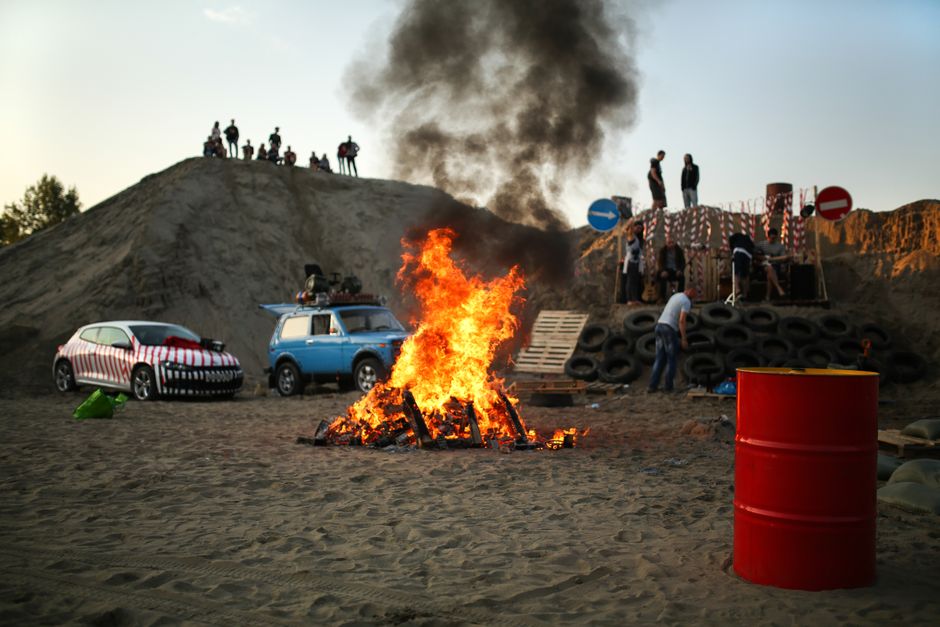
If you've never heard of Festa de São João (St. John's Festival), you're missing one of Brazil's most authentically Brazilian celebrations—one that locals love far more than many tourists realize. This festival happens in June, primarily in the Northeast region, though celebrations happen nationwide. The big action centers around São João (June 23-24), though festivities often run the entire month.
The Soul of Festa de São João
Unlike Carnival's samba spectacle, Festa de São João celebrates rural traditions, folk culture, and community bonds. This is where you'll experience forró dancing (that hip-swiveling, energetic dance style), live folk bands, and the kind of genuine celebration that hasn't been polished for international tourism.
The festival honors Saint John with bonfires (fogueiras), food traditions, and decorations of corn, colorful ribbons, and paper lanterns. There's something deeply authentic about it—families gather in town squares, set up food stalls selling regional specialties like pamonha (corn-based dish), canjica (sweet corn pudding), and grilled corn, and the celebration goes on late into the night.
Pernambuco's cities like Caruaru and Olinda are absolute must-see destinations during Festa de São João. The parades feature giant papier-mâché figures called bonecos, folk dancers in traditional costumes, and musicians playing traditional instruments. The atmosphere is festive but less overwhelming than Carnival—you can actually navigate the streets, talk to locals, and feel like you're part of something real rather than a choreographed spectacle.
Cultural Immersion and Regional Flavor
What makes Festa de São João special is how it showcases regional identity. In the Northeast, you're experiencing traditions that have been passed down for centuries. The forró dancing you see isn't performed by professional dancers in sequined costumes—it's families, friends, and neighbors dancing together, and visitors are welcomed to join.
The food is another massive draw. During Festa de São João, regions compete over whose traditional dishes are best. You'll taste regional variations of comidas à festa (festival foods) that locals rarely make outside June. Barganha, quentão (spiced hot drink), and corn-based sweets appear in every corner. Food lovers seriously overlook this festival—it deserves way more attention from gastro-tourism enthusiasts.
Head-to-Head Comparison
Timing and Duration
Carnival: February/March (5 days of main events, though celebrations run longer)
Festa de São João: June (celebrations throughout the month, peak on June 23-24)
Location and Regional Variations
Carnival: Celebrated nationwide but Rio de Janeiro, São Paulo, and Salvador are the primary destinations for visitors. Each city has a distinct style.
Festa de São João: Strongest in the Northeast (Pernambuco, Bahia, Ceará) but celebrated everywhere. Each region has unique traditions.
Experience Type
Carnival: High-energy, visually spectacular, professionally choreographed, party atmosphere. Better for people seeking non-stop entertainment and Instagram-worthy moments.
Festa de São João: Community-focused, folk-oriented, participatory, food-centered. Better for cultural immersion and experiencing authentic Brazilian traditions.
Cost Considerations
Carnival: Expensive during peak days. Premium parade tickets cost $100-500+. Hotels fill up months ahead. Street parties (blocos) are free or low-cost if you can access them.
Festa de São João: Generally more affordable. Accommodations are easier to find, food is inexpensive, and most celebrations are free. You can experience the festival without spending serious money.
Crowd Levels
Carnival: Extremely crowded, especially in Rio. Expect massive crowds, pickpocketing risks in dense areas, and the need for clear planning to avoid getting separated from your group.
Festa de São João: Busy in popular cities like Caruaru, but far less overwhelming than Carnival. You can actually enjoy conversations and see the events clearly.
Which Festival Matches Your Travel Style?
Choose Carnival If You...
- Love high-energy parties and non-stop celebration
- Want to experience Brazil's most famous cultural export
- Enjoy spectacle and impressive choreography
- Are traveling with a group looking for party atmosphere
- Have the budget for premium experiences and expensive accommodations
- Want iconic Instagram moments and major tourist experiences
Choose Festa de São João If You...
- Want authentic cultural experiences away from mass tourism
- Love traditional food and regional cuisine
- Prefer participatory celebrations where you can actually join in
- Are interested in folk traditions and history
- Have a smaller budget but want meaningful experiences
- Prefer smaller crowds and genuine community interaction
- Are visiting Brazil outside the typical tourist season
Practical Tips for Festival Success
For Carnival Visitors
Book accommodations 4-6 months ahead, invest in good walking shoes (you'll be on your feet constantly), learn basic samba moves beforehand if you want to participate in blocos, and stay hydrated. Bring small bills for tips and vendors, and consider hiring a local guide to navigate safely through crowded areas.
For Festa de São João Participants
Visit the Northeast region for the most authentic experience, book ahead but not as far in advance as Carnival, wear comfortable clothes suitable for dancing (forró requires hip movement!), and come hungry. Learn a few words of forró slang—locals appreciate the effort. Bring cash; not all vendors accept cards in smaller towns.
The Verdict: Why Not Both?
Here's the honest truth: if you're planning multiple trips to Brazil, experiencing both festivals gives you completely different perspectives on Brazilian culture. Carnival shows you the country's international face—professional, polished, and undeniably spectacular. Festa de São João introduces you to Brazil's soul—the folk traditions, family bonds, and regional pride that define how Brazilians actually celebrate together year-round.
Carnival is about collective joy expressed through samba and spectacle. Festa de São João is about honoring traditions while creating space for community connection. Neither is better; they're just different expressions of Brazilian celebration.
If you can only choose one for your 2026 travel plans, match it to your personality and travel style. But if you're serious about understanding Brazil's festival culture and traditional celebrations, make both festivals part of your longer-term travel bucket list. Your experience in Brazil will be infinitely richer for it.
Ready to plan your festival adventure? Start researching accommodation options now—peak festival dates fill up fast, especially in popular cities. Whether you choose the samba-soaked streets of Carnival or the folk-filled celebration of Festa de São João, you're guaranteed an experience that'll change how you see Brazil forever. Which festival is calling your name?
FAQ
What are the main differences between Carnival and Festa de São João?
Carnival is a vibrant pre-Lenten celebration known for samba dancing, colorful parades, and elaborate costumes, typically held in February or March. Festa de São João, celebrated in June, focuses on traditional folk traditions, bonfires, corn-based foods, and square dancing called forró. While Carnival emphasizes modern music and extravagant performances, São João celebrates rural heritage and religious traditions honoring Saint John.
Which festival is better for experiencing authentic Brazilian culture?
Festa de São João is ideal for experiencing authentic traditional Brazilian culture, as it maintains centuries-old customs rooted in colonial and agricultural traditions. However, Carnival also represents genuine Brazilian identity, showcasing the country's creativity, rhythm, and social diversity. For a more intimate, grassroots experience, São João is recommended, while Carnival offers a larger-scale, nationally recognized celebration of Brazilian spirit.
When should I visit Brazil to experience these festivals?
Carnival typically takes place in February or March, depending on Easter's date, making it ideal for early spring travel. Festa de São João occurs throughout June, particularly from June 13-24, when celebrations peak during the Saint John festivities. If you want to experience both festivals, plan visits during these respective periods, or choose one depending on your preference for large-scale parties or traditional community celebrations.
What traditional foods can I expect at each festival?
At Festa de São João, you'll enjoy corn-based dishes like corn cake, popcorn, corn soup, and sweet treats like peanut brittle and taffy. The festival also features grilled corn and bean dishes reflecting agricultural traditions. Carnival features more diverse Brazilian cuisine including acarajé, feijoada, and tropical fruits, though the focus is more on dancing and partying than traditional food experiences.
Which festival offers better opportunities for tourist participation?
Carnival welcomes tourists actively with organized tours, samba school participation, and accessible viewing areas for parades, making it easier for visitors to join celebrations. Festa de São João is more community-oriented and locally-driven, but tourists can still participate in forró dancing, bonfires, and traditional activities in smaller towns, offering a more intimate experience. For maximum engagement and structured tourist services, Carnival is more accessible, while São João rewards adventurous travelers seeking authentic immersion.


Comments
Post a Comment