7 Mistakes Travelers Make When Hunting for Authentic Brazilian Food
You've landed in Brazil with one mission: taste the real deal. Real feijoada that'll make you understand why Brazilians queue around the block for it. Real moqueca that tastes like it came straight from a coastal grandmother's kitchen. Real pão de queijo that's still warm from the oven. But somehow, you end up at some overly polished restaurant in the tourist district where the food tastes like it was designed by a committee rather than by generations of family tradition.
Sound familiar? You're not alone. Finding the best restaurants with authentic Brazilian food is trickier than it looks, and there are some pretty common mistakes that send food-loving travelers down the wrong path. Let me break down exactly where most people go wrong—and more importantly, how you can avoid these pitfalls and have the kind of authentic culinary experience that'll spoil you for restaurant food back home.
Mistake #1: Assuming "Tourist-Friendly" Means "Good Quality"

This is the biggest trap of them all. You walk into a restaurant with English menus, laminated pictures of dishes, and staff trained to smile at every foreign face. Red flag? Absolutely. Don't get me wrong—hospitality is wonderful. But authentic Brazilian restaurants typically don't need to court tourists with fancy presentation because locals already know they're the real deal.
When Brazilians want authentic food, they go to neighborhood spots where the menu might only exist in the owner's head, where the decor hasn't changed since 1995, and where the focus is entirely on the food itself, not the ambiance. These places have earned their reputation through word-of-mouth, not through marketing campaigns.
What to do instead:
- Ask your hotel concierge for neighborhood recommendations, not just spots within walking distance of major attractions
- Look for restaurants where the majority of diners are locals, especially during lunch hours
- Check if a restaurant has been operating in the same location for at least 10+ years
Mistake #2: Not Understanding Regional Variations
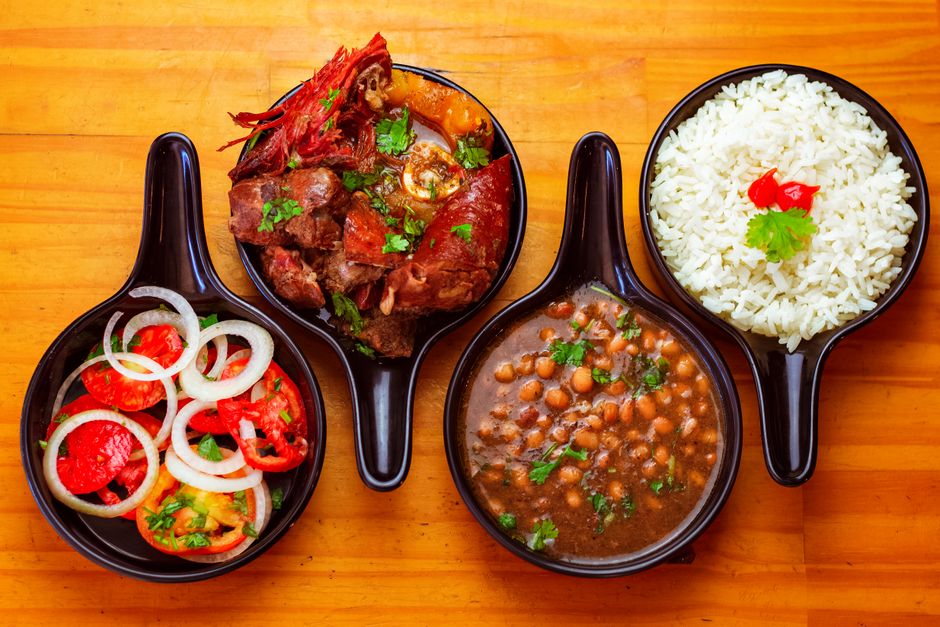
Brazil is enormous—and what counts as "authentic" changes dramatically depending on where you are. The authentic Brazilian food you'll find in Salvador is wildly different from what you'll eat in Rio, which is completely different from Belém or Curitiba. But many travelers don't realize this and expect the same dishes everywhere.
That moqueca? In Bahia, it's made with palm oil (dendê) and coconut milk—it's got this rich, distinctive flavor. But in Rio or São Paulo, you might find variations that are lighter or prepared differently. Neither is wrong—they're just different expressions of the same dish across the country's diverse regions.
What to do instead:
- Research what each region is famous for before you arrive: Bahian food culture, Southern churrasco (barbecue), Amazonian fish dishes, São Paulo's immigrant-influenced cuisine
- Seek out restaurants run by people from that specific region
- Ask locals what they consider the best regional specialty in their area
Mistake #3: Overlooking Family-Run Restaurants and Botequins
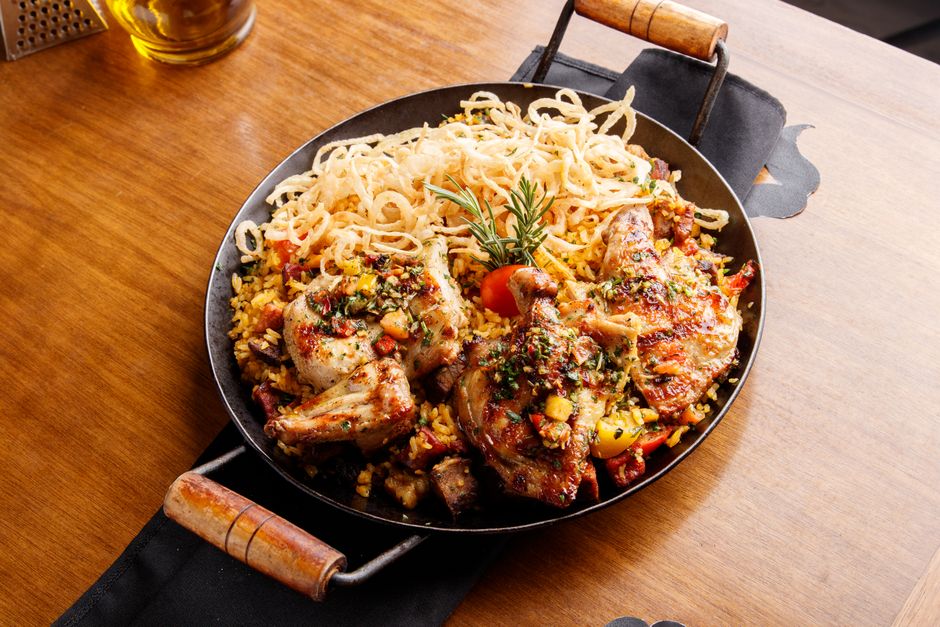
Some of the most incredible authentic Brazilian food happens in places that don't look like "proper" restaurants at all. A botequim (casual neighborhood bar) with three tables outside and a woman cooking in a kitchen the size of a closet might serve the best feijão tropeiro you've ever had in your life. A family restaurant tucked into a side street, decorated with local artwork and family photos, might be where generations have perfected their signature dish.
These spots don't show up easily on international food apps, and they definitely don't have Instagram-worthy presentation. But that's exactly where the magic happens. These are the places where recipes have been refined over decades, where quality matters because the owner's reputation depends on it, and where price points are reasonable because they're serving their community, not tourists on vacation budgets.
What to do instead:
- Walk through neighborhoods in the late afternoon and look for places where locals are gathering
- Ask your Airbnb host or hotel staff for their personal favorite lunch spot
- Use Google Maps and filter by "Brazilian restaurant" in residential areas, then read reviews from locals (many will be in Portuguese)
- Don't judge a place by its exterior—some of the best restaurants look modest
Mistake #4: Ignoring Street Food and Market Culture
Here's something many food travelers get wrong: some of the most authentic Brazilian food never touches a restaurant plate. It's sold on the street. It's made in markets. It's what Brazilians actually eat when they're living their daily lives, not when they're going out for a special meal.
A pastel bought from a street vendor at a fair, a tapioca from a market stall, grilled cheese and fruit from a juice bar—this is where you find authentic Brazilian food at its most genuine. These food vendors have perfected their craft through years of practice and have built loyal customer bases that demand quality. When someone's making acarajé on the street in Salvador, they're not trying to impress tourists; they're making a living serving people who know what good acarajé tastes like.
What to do instead:
- Visit local markets like Ver-o-Peso in Belém or SAARA in Rio de Janeiro during meal times
- Explore fair markets (feiras) in neighborhoods—these happen regularly and locals know exactly where the best food vendors are
- Ask about traditional food carts or stands that have been operating for years
- Don't shy away from line length—if there's a long line, there's usually a reason
Mistake #5: Not Ordering Seasonal or Daily Specials
Many authentic Brazilian restaurants don't have a fixed menu. Or rather, they do, but the real magic happens in what's offered on specific days or in what's seasonal. Monday might be feijoada day. Friday might be fish day. During certain seasons, certain fruits and regional specialties appear briefly and then disappear.
Tourist-oriented restaurants maintain consistency because that's what international visitors expect. But real Brazilian restaurants cook what's fresh, what's in season, and what's traditional for that particular day of the week. If you walk into a restaurant and ignore the daily specials written on a whiteboard, you're missing out on something special.
What to do instead:
- Always ask what the special of the day is
- Ask about seasonal dishes that might not be on the printed menu
- Visit on traditional feast days—feijoada on Monday, for example
- Go to restaurants where the menu changes regularly based on ingredient availability
Mistake #6: Judging Authenticity by Presentation
Authentic Brazilian food doesn't always look Instagram-perfect. Feijoada is literally a pot of black beans and pork—it's not fancy. Moqueca is a stew. Caldo verde is a soup. The food that Brazilians love most often looks humble on the plate because it was designed to be hearty and delicious, not to impress with appearance.
When you're searching for the best restaurants with authentic Brazilian food, don't expect fancy plating or molecular gastronomy. Expect big portions, generous flavors, and food that looks like someone who cares about taste—not presentation—made it. An overly decorated plate can actually be a warning sign that you're at a place more focused on tourists than on tradition.
What to do instead:
- Value substance over style when evaluating restaurants
- Order the signature dish, even if it doesn't look "fancy"
- Ask locals what they order when they go to a particular restaurant
Mistake #7: Not Building Relationships with Restaurant Staff
Here's something that separates good travelers from great ones: engaging with the people running the restaurant. When you sit down, chat with the owner or server. Ask about the food. Tell them you're interested in authentic cuisine. Ask for recommendations. In Brazil's warm, social culture, people respond to genuine interest and friendliness—el jeito brasileiro, the Brazilian way, values these connections.
When restaurant staff know you're a curious traveler who respects their food and their traditions, they often go out of their way to show you something special. You might get introduced to a dish that isn't even on the menu. You might hear the story behind a recipe. You might get treated like a local rather than a tourist.
What to do instead:
- Strike up conversations about the food and the restaurant's history
- Ask staff what they personally recommend
- Compliment good food genuinely and specifically
- Return to restaurants you enjoy—owners remember people who appreciate their work
Your Path to Authentic Brazilian Culinary Experiences
Finding the best restaurants with authentic Brazilian food requires a shift in mindset. You're not looking for the fanciest place or the most convenient location. You're looking for places where tradition matters, where locals eat, where recipes have been refined over years, and where the jeito brasileiro—that characteristically Brazilian way of doing things with warmth and passion—comes through in every bite.
The restaurants that deliver authentic Brazilian food are usually the ones that don't need to try very hard to impress. They're impressive because they're genuinely good, because they've earned their reputation, and because they're serving food that reflects real Brazilian culture rather than a tourism board's idea of what that culture should be.
So on your next trip to Brazil, skip the polished tourist restaurants. Walk into the botequim that looks like it's been there forever. Order what the locals are eating. Ask questions. Be curious. Build relationships. That's when you'll discover the authentic Brazilian food that'll stay with you long after you've returned home.
Ready to experience real Brazilian cuisine? Start by exploring neighborhood restaurants in your next destination, asking locals for their personal favorites, and being open to places that might surprise you. Your taste buds will thank you for it!
FAQ
What is the biggest mistake travelers make when searching for authentic Brazilian food?
The biggest mistake is relying solely on tourist guides and hotel recommendations instead of seeking out local neighborhoods and family-owned establishments. Authentic Brazilian cuisine is best found in the best restaurants with authentic Brazilian food that cater to locals rather than tourists. These hidden gems often lack fancy marketing but offer genuine traditional dishes passed down through generations.
Why should travelers avoid dining in the main tourist areas?
Tourist areas typically serve diluted versions of authentic Brazilian dishes designed to appeal to international palates and charge premium prices. The best restaurants with authentic Brazilian food are usually located in residential neighborhoods where locals actually eat and prices are fair. These establishments prioritize authenticity and quality over presentation for Instagram.
How can travelers identify truly authentic Brazilian restaurants?
Look for restaurants where the menu is in Portuguese, the staff speaks limited English, and the clientele is mostly Brazilian families and locals. The best restaurants with authentic Brazilian food often have simple décor, feature regional specialties, and use traditional cooking methods. Ask locals for recommendations or check Portuguese-language review sites rather than English travel websites.
What regional Brazilian dishes should travelers try when hunting for authenticity?
Travelers should seek out regional specialties like feijoada from Rio de Janeiro, moqueca from Bahia, and tucupi from the Amazon region at the best restaurants with authentic Brazilian food. Each region of Brazil has distinct culinary traditions, and trying these regional dishes offers a deeper understanding of Brazilian food culture. Avoid restaurants that offer the same generic menu throughout the country.
Why is it important to understand Brazilian food terminology when dining out?
Many travelers miss authentic dishes because they don't recognize traditional Brazilian names and descriptions on menus. Learning terms like 'churrasco,' 'caldo verde,' and 'acarajé' helps you navigate the best restaurants with authentic Brazilian food and make informed choices. Understanding the cuisine's terminology also shows respect to the culture and helps you avoid settling for tourist-oriented imitations.


Comments
Post a Comment