Why Southern Brazil's Wine Scene Rivals Argentina's Finest Vineyards
Look, if you've been thinking about wine tourism in South America, your mental map probably stops at Argentina. But here's what most travelers miss: southern Brazil has quietly become one of the continent's most exciting wine destinations, and the wines flowing from Rio Grande do Sul are genuinely impressive. I'm not talking about discovering some hidden gem that's barely drinkable—these are legitimately world-class vintages that wine connoisseurs are talking about in serious circles.
The jeito brasileiro (Brazilian way) of doing things extends to winemaking too. You'll find a different vibe here than in Mendoza or Salta. Less pretension, more genuine hospitality, and wines that punch way above their weight given how many international wine lovers still overlook them. Whether you're a serious wine aficionado or just someone who enjoys a good glass while soaking in beautiful landscapes, southern Brazil's wine regions deserve a spot on your travel bucket list.
The Rise of Rio Grande do Sul: Brazil's Wine Capital
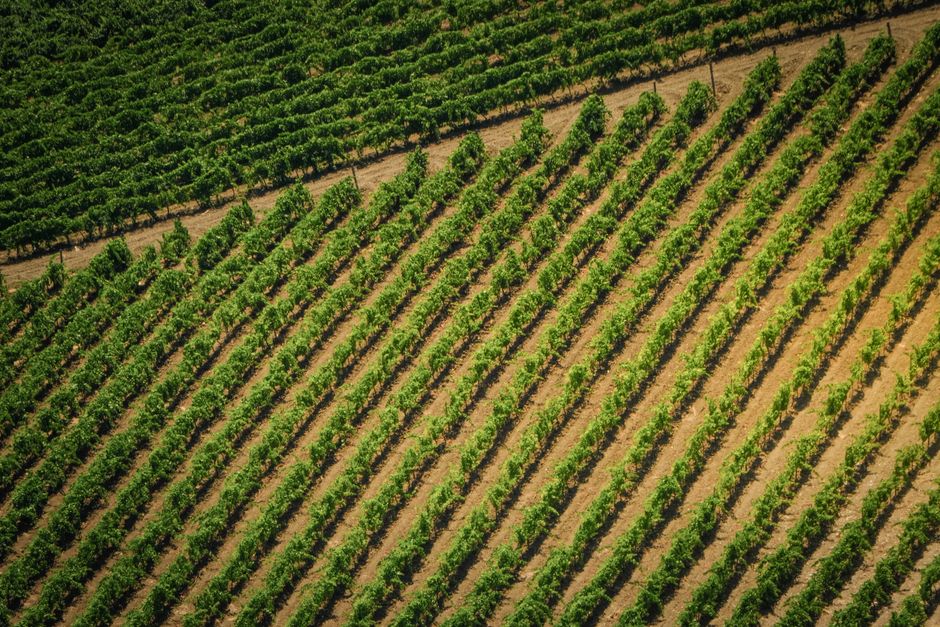
Rio Grande do Sul, the southernmost state in Brazil, is where the magic happens. This region produces around 90% of all Brazilian wine, which should tell you something about its importance. The state's geography—rolling hills, elevation variations, and a subtropical climate with cool nights—creates the perfect conditions for growing quality grapes.
Why the Climate Works
Southern Brazil sits at latitudes similar to parts of northern Argentina and Chile, which means you get that crucial temperature variation between day and night. During the day, the sun warms the grapes, developing sugars and flavor complexity. At night, the temperature drops significantly, which helps preserve acidity and freshness. This balance is what separates a decent wine from a memorable one.
Rainfall is more abundant here than in Argentina's drier wine regions, but modern irrigation techniques and vineyard management have turned this into an advantage rather than a challenge. The result? Wines with incredible fruit-forward character and lower alcohol content than many Argentine counterparts—perfect if you want to enjoy multiple tastings without getting knocked over.
The Wine Regions You Need to Know
Rio Grande do Sul has three major wine-producing regions, each with its own personality:
- Vale dos Vinhedos (Valley of the Vineyards): This is the most famous and tourist-friendly region, located near the towns of Bento Gonçalves and Garibaldi. It's the oldest wine region in Brazil and has the infrastructure to welcome visitors smoothly. You'll find upscale wineries, restaurants, and charming pousadas (small inns) throughout the valley.
- Serra Geral: The cooler, higher-altitude region that's producing some genuinely exciting Pinot Noir and Cabernet Sauvignon. This area is less touristy than Vale dos Vinhedos, which means you get more authentic interactions with winemakers and smaller, family-run operations.
- Campanha: The warmest region, known for producing bold reds, particularly Cabernet Sauvignon and Merlot. If you love full-bodied wines with that warming spice and dark fruit character, this is your jam.
What Makes Brazilian Wine Different from Argentine Wine
This is the question everyone asks, and it's worth exploring because the differences go beyond just geography.
Grape Varieties and Style
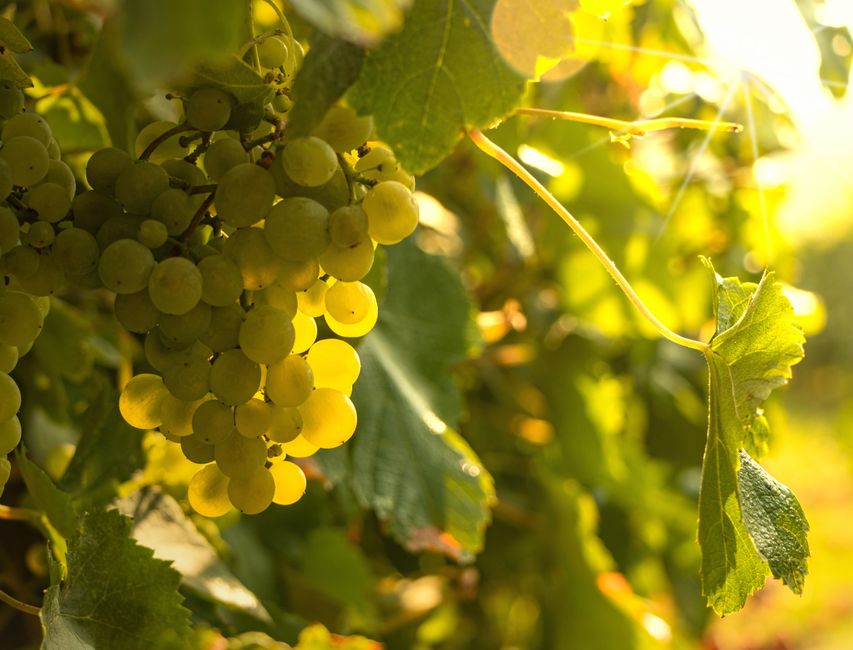
While Argentina has built its reputation on Malbec—and rightfully so—Brazil's winemakers work with a broader range of varietals. You'll find excellent Cabernet Sauvignon, Merlot, Pinot Noir, and even Syrah. On the white side, Chardonnay and Sauvignon Blanc are gaining serious traction.
Brazilian wines tend to emphasize fruit expression and elegance over the power and structure that characterize many Argentine wines. Think of it this way: Argentine wines often feel like a confident handshake—firm, assured, commanding respect. Brazilian wines feel more like an engaging conversation—approachable, nuanced, and full of pleasant surprises.
The Hospitality Factor
Here's something that won't show up on a tasting note but absolutely matters: the way you're treated matters. Many Brazilian wineries—especially the smaller ones—approach visitors with genuine warmth rather than the slightly detached professionalism you sometimes encounter in more heavily touristed wine regions. Winemakers often conduct tastings personally, explaining their philosophy and the specific challenges of their vintage.
Price-to-Quality Ratio
This is where you'll really notice the difference in your wallet. You can find exceptional wines from quality producers for 40-60 reais (roughly $8-12 USD) that would cost you nearly double in Argentina. A bottle from a respected winery in Vale dos Vinhedos that costs 100 reais ($20 USD) often represents better value than similar quality at that price point in Mendoza.
Planning Your Wine Country Visit

Best Time to Visit
The harvest season (February to April) is absolutely magical if you can time your trip right. You'll see the vineyards in action, participate in harvest activities, and taste fresh-pressed juices that'll blow your mind. The weather is also excellent—warm but not oppressively hot, with the beautiful autumn light that makes photography addictive.
If you can't make harvest season, avoid the heaviest winter months (June-July) when some roads can be tricky. March through May and September through October are excellent for weather and fewer crowds.
Where to Stay and How to Navigate
Bento Gonçalves serves as the hub for most wine tourism in Vale dos Vinhedos. The town itself isn't particularly charming, but it has solid infrastructure—hotels, restaurants, and most importantly, the starting point for wine tours. If you prefer something more intimate, nearby Garibaldi has a quieter vibe while still being convenient to the main vineyards.
Renting a car gives you flexibility, but honestly, many visitors opt for organized wine tours. Several companies offer half-day and full-day experiences that handle transportation, provide knowledgeable guides, and arrange tastings at multiple wineries. The cost typically runs 150-250 reais ($30-50 USD) per person, which is reasonable given what's included.
What to Expect During a Tasting
Most wineries require reservations, especially on weekends. Tastings typically involve three to five wines and last around an hour. Many include small snacks—cheese, bread, and charcuterie—to cleanse your palate between tastings.
Here's the thing about Brazilian wine culture: it's less about pretension and more about enjoyment. Don't worry if you can't identify every flavor note. Ask questions, tell the winemaker what you like, and engage with the experience. This is the jeito brasileiro at work—genuine, warm, and unpretentious.
Beyond the Famous Wineries: Off-the-Beaten-Path Experiences
Family-Run Operations Worth Finding
While the large, well-known wineries are excellent, some of the most memorable experiences happen at smaller family vineyards that don't show up in most guidebooks. Ask your hotel or local guides about "vinícolas pequenas" (small wineries). You might find yourself in someone's backyard, tasting wine made by the same family for three generations, sharing stories over caipirinhas made with their own cachaça.
Pairing Wine with Local Gastronomy
Southern Brazil's food scene deserves serious attention when you're planning a wine trip. The region is famous for churrasco (Brazilian barbecue), and the meat-wine pairing is exceptional. Look for restaurants that work directly with local wineries on tasting menus. These prix-fixe experiences typically run 120-180 reais ($24-36 USD) and provide the kind of cultural immersion that makes travel memorable.
Exploring Garibaldi's Sparkling Wine Country
Garibaldi, just outside Vale dos Vinhedos, has carved out a niche producing excellent sparkling wines (espumantes). This is a genuinely unique aspect of Brazilian wine tourism that few international visitors know about. The local producers use traditional méthode champenoise techniques, and their espumantes are crisp, elegant, and significantly cheaper than comparable French champagnes.
Practical Tips for Your Wine Country Adventure
Budget considerations: Plan for about 300-500 reais ($60-100 USD) per day if you're doing tastings, meals, and accommodations on the budget-to-mid-range side. Wine bottles purchased directly from wineries range from 40 to 250+ reais depending on quality and age.
Don't skip the sparkly: Bring back some espumante from Garibaldi. They travel well, they're conversation starters back home, and they represent authentic Brazilian winemaking that few people outside South America even know exists.
Learn a few Portuguese phrases: "Qual é seu vinho favorito?" (What's your favorite wine?) opens doors. Most winemakers speak some English, but asking in Portuguese shows respect and almost always earns you a warmer reception.
Book ahead, especially weekends: While Brazil isn't as heavily touristed as Argentina's wine country, popular wineries do book up, particularly on Saturdays and Sundays.
The Bottom Line: Why This Matters for Your Travel Plans
Southern Brazil's wine regions represent one of South America's best-kept secrets. You get world-class wines, stunning landscapes, warm hospitality, and exceptional value all in one package. Unlike some wine destinations where you feel like you're checking boxes on a itinerary, wine country in Rio Grande do Sul feels like you're actually participating in something real.
Whether you're planning a dedicated wine trip or combining it with other destinations in southern Brazil—like the Atlantic Forest hikes, Iguazu Falls, or the beaches of Santa Catarina—the wine regions add a sophisticated, deeply rewarding dimension to your journey.
Ready to Book Your Brazilian Wine Adventure?
Start by researching the major wineries in Vale dos Vinhedos and Garibaldi. Contact your chosen accommodations about arranging tastings—most pousadas have relationships with wineries and can secure reservations. Consider hiring a local wine tour guide for at least one day; the knowledge and connections they provide justify the cost.
Most importantly, approach your visit with curiosity rather than comparison. You're not here to prove Brazilian wine is "better" than Argentine wine—they're simply different expressions of excellent winemaking. What you'll find in southern Brazil is a growing wine culture that's confident, welcoming, and genuinely excited to share what they're creating.
Pack some good walking shoes, bring a camera for the vineyard views, and prepare yourself for wine tastings that'll reshape how you think about South American wine tourism. Your future self will thank you.
FAQ
What are the best wine regions to visit in southern Brazil?
The top wine regions in southern Brazil include Vale dos Vinhedos in Rio Grande do Sul, which is the most established and famous region, along with Serra Geral and Caminho dosPassos. These areas have been producing high-quality wines for decades and offer stunning landscapes combined with excellent wineries that rival Argentine producers. Vale dos Vinhedos alone has over 40 wineries where visitors can enjoy tastings and vineyard tours.
How does southern Brazil's wine production compare to Argentina's vineyards?
Southern Brazil's wine scene has grown significantly and now produces world-class wines that compete directly with Argentine vintages, particularly in Merlot, Cabernet Sauvignon, and Chardonnay varieties. While Argentina focuses mainly on Malbec in specific regions, Brazil's cooler southern climate allows for diverse grape cultivation and unique flavor profiles. Both countries have earned international recognition, but Brazil offers a more diverse wine portfolio and emerging prestige among collectors.
What climate advantages does southern Brazil have for wine production?
Southern Brazil benefits from a subtropical highland climate with significant temperature variations between day and night, which creates ideal conditions for grape ripening and flavor development. The region receives adequate rainfall and has well-drained soils similar to those found in renowned wine regions worldwide. These natural conditions allow Brazilian winemakers to produce complex wines with excellent balance and character that match or exceed Argentine quality standards.
Which Brazilian wines should visitors try when visiting southern wine regions?
Visitors should definitely try locally produced Merlots, Cabernet Sauvignons, and Chardonnays, which are considered among Brazil's finest. Additionally, you shouldn't miss Italian varietals like Barbera and Nebbiolo, which thrive in the southern climate due to the region's significant Italian immigrant heritage. Many boutique wineries also produce exceptional sparkling wines and Pinot Noirs that have gained international awards and recognition.
Why are southern Brazil's wines becoming increasingly popular compared to Argentine wines?
Southern Brazil's wines are gaining popularity due to their unique flavor profiles, competitive pricing, and the region's commitment to sustainable and innovative winemaking practices. The wines offer excellent value without compromising quality, making them more accessible to international markets than some high-priced Argentine wines. Additionally, the region's growing reputation for hospitality, stunning landscapes, and agritourism experiences attract wine enthusiasts seeking authentic and diverse wine-tasting adventures beyond traditional destinations.


Comments
Post a Comment