Tropical Paradise vs Hidden Gems: Brazil's Best Beaches for First-Time Visitors
Brazil's coastline stretches over 4,600 miles, and honestly? You could spend a lifetime exploring every strip of sand and not get bored. Whether you're imagining yourself sipping caipirinhas on world-famous shores or hunting for that perfect off-the-beaten-path beach where you're practically alone with nature, Brazil delivers on both fronts. Let's break down what makes Brazilian beaches so special and help you figure out which ones actually deserve your precious vacation days.
The Famous Players: Why Everyone's Heard of These Beaches
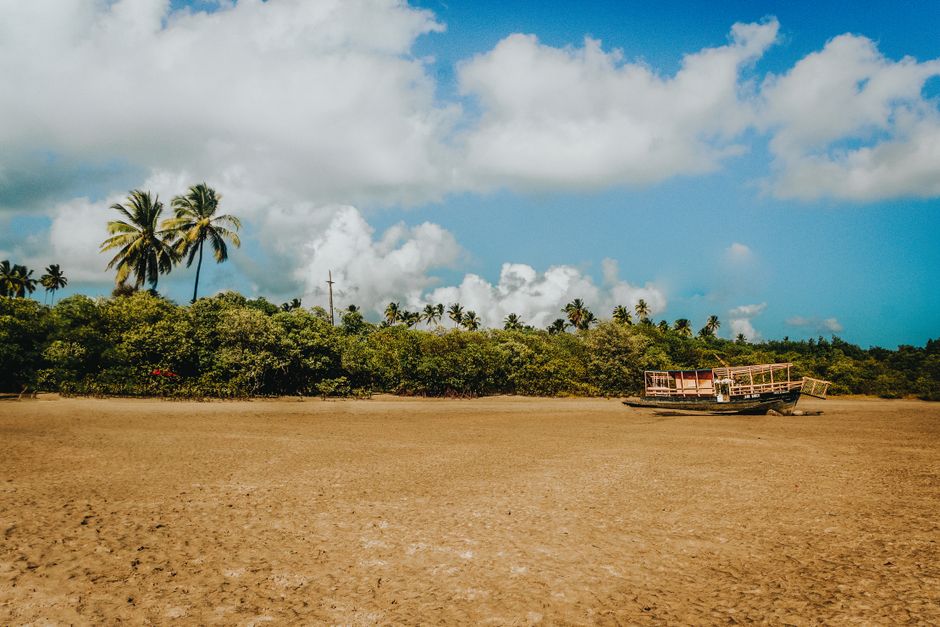
Copacabana and Ipanema, Rio de Janeiro
Look, we'd be doing you a disservice if we didn't start here. These aren't just beaches—they're cultural icons. Copacabana's crescent-shaped shore is absolutely stunning, with that distinctive black and white mosaic pavement running along the promenade. You'll find yourself surrounded by locals playing beach volleyball, capoeira performances, and that infectious energy that makes Rio pulse.
Ipanema is slightly more upscale and attracts a different crowd—think more laid-back vibes mixed with chic beach bars. The sunsets here are breathtaking, and there's something magical about watching the mountains turn golden in the evening light. Both beaches are perfect for people-watching, cultural immersion, and soaking up Rio's distinctive jeito brasileiro (Brazilian way) of life.
Fernando de Noronha
This volcanic archipelago sitting 220 miles off the coast of Pernambuco feels like another planet entirely. With only 460 residents allowed at any given time, this protected marine sanctuary is serious about preserving its ecosystem. The beaches here—particularly Baia do Sancho and Praia do Leão—are postcard-perfect with crystalline waters and dramatic cliffs that'll leave you speechless.
Fair warning: getting here requires advance planning, permits, and yes, a decent chunk of your budget. But if you're into pristine snorkeling, sea turtles, and landscapes that look Photoshopped, this place is non-negotiable.
The Northeast Coast: Where Tropical Dreams Actually Live
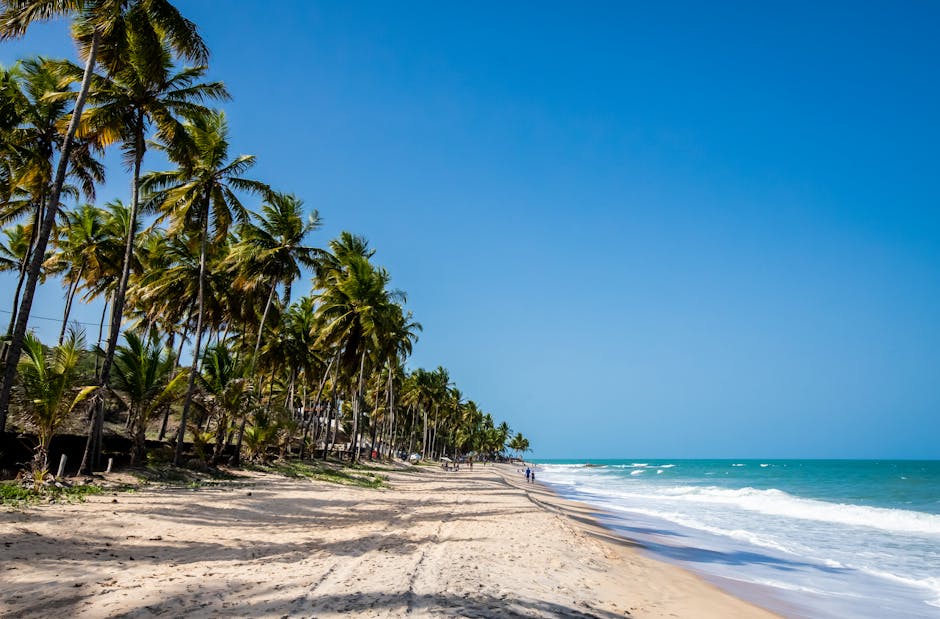
Jericoacoara, Ceará
Jericoacoara has that sweet spot of being somewhat famous but not overwhelmingly touristy. This laid-back beach town sits within a national park, and the landscape is genuinely dramatic—think endless sand dunes meeting turquoise waters. The bohemian vibe here attracts adventure seekers, windsurfers, and anyone looking to escape the chaos without sacrificing good food and social scenes.
Stay for the sunset at Duna do Pôr do Sol (Sunset Dune), where you'll watch the sun dip into the ocean while locals and travelers gather for the moment. It's touristy, sure, but it's touristy for a reason—the experience is legitimately magical.
Maragogi, Alagoas
Here's where you get the Instagram-worthy tropical paradise experience without the overwhelming crowds. Maragogi's piscinas naturais (natural pools) are formed by coral reefs just offshore, creating spaces where the water is impossibly clear and calm. Local fishermen will take you out in jangadas (traditional wooden boats) for around $20-30 per person, and you'll spend hours surrounded by tropical fish and vibrant coral.
The town itself is charming and authentically Brazilian—not trying too hard to cater to tourism. The seafood is fresh, affordable, and delicious, and you can actually have conversations with locals who aren't sizing you up as a potential sale.
Baía da Traição, Paraíba
This is your off-the-beaten-path hero right here. Baía da Traição translates to "Bay of Betrayal," and while the historical backstory is interesting, what matters is that this coastline remains wonderfully underdeveloped. Dramatic red cliffs meet white-sand beaches, and you'll find some of Brazil's best natural pools in this region.
The surrounding area is perfect for exploring colonial villages and meeting the warmest locals you've encountered on your travels. Prices are ridiculously low, and you'll feel like you've discovered something your friends haven't Instagrammed to death yet.
The South: Where Beaches Get Moody (In the Best Way)

Florianópolis, Santa Catarina
If the Caribbean aesthetic doesn't do it for you, Florianópolis proves that Brazilian beaches don't need to be tropical to be spectacular. This island has 42 beaches, each with totally different personalities. Praia Mole attracts a younger crowd and is famous for its beach culture, while Praia da Lagoinha do Leste feels like a secret hideaway tucked behind mountains.
The water is cooler than the northeast, and there's excellent surfing infrastructure. The local food scene is seriously impressive—fresh seafood, açai bowls that actually taste like something, and a growing craft beer culture. It's less "tropical paradise" and more "coastal destination where life happens."
Garopaba, Santa Catarina
Smaller and less developed than Florianópolis, Garopaba offers that rare combination of natural beauty and authentic Brazilian culture. The beaches here have powerful waves, charming fishing villages, and hiking trails that deliver genuine coastal drama. Whale watching happens seasonally (June-November), adding another reason to visit.
The Central Coast: The Goldilocks Zone
Ilhabela, São Paulo
Just off the coast of São Paulo state, this island feels removed from city chaos while remaining accessible. Ilhabela has 42 beaches ranging from party-focused to completely serene. The water is warm, the hiking is excellent, and you can combine beach time with exploring colonial architecture and waterfalls in the island's interior.
It's particularly good for adventure seekers who don't want pure beach lounging—think stand-up paddleboarding, rock climbing, diving, and trail hiking alongside your beach days.
Costa Verde, Rio de Janeiro
The stretch between Rio and São Paulo state includes some legitimately magical destinations. Paraty is a perfectly preserved colonial town where cobblestone streets meet the ocean, and you can take boat tours to pristine beaches and islands. Angra dos Reis offers island-hopping opportunities and some of the most beautiful coastal scenery in southeastern Brazil.
These aren't particularly "hidden," but they're often overlooked by tourists fixated on Rio city proper. You get history, culture, natural beauty, and excellent seafood without the overwhelming tourism infrastructure.
Planning Your Beach Strategy: What Actually Matters
Weather and Season Timing
Brazil's rainy seasons vary by region. The northeast is driest May-December, while southern beaches are best December-March. Rio works year-round, though December-March can be rainy. Check specific regions before booking—you don't want to arrive at your dream beach during cyclone season.
Budget Reality Check
Famous beaches like Copacabana and Fernando de Noronha will charge you accordingly. Hidden gems in the northeast offer similar or better experiences at 30-50% less cost. A caiprinha that costs $12 in Ipanema might be $4 in Baía da Traição. Budget accordingly based on your chosen destination.
What Kind of Traveler Are You?
Are you here for cultural immersion and people-watching? Go Copacabana or Salvador's beaches. Want pristine nature and wildlife? Fernando de Noronha or Parque Nacional Marino de Jericoacoara. Seeking adventure? Florianópolis or Jericoacoara. Want authenticity without tourist saturation? Northeast coast lesser-known towns are your answer.
Making It Happen: Practical Tips
Getting Around: Domestic flights are affordable between regions. Northeast beaches are well-connected via budget airlines. Buses are comfortable and cheap for shorter distances—the coastal drive from Rio to Paraty is spectacular.
Staying Local: Pousadas (small guesthouses) offer better value and authentic experiences than big resorts. You'll eat better, meet people, and support local economies. English is improving but less common outside major tourist areas—learn basic Portuguese phrases; locals genuinely appreciate the effort.
Food and Culture: Don't just beach-and-resort it. Visit local restaurants, try regional specialties (açai in the north, fresh fish everywhere), and participate in activities. Beach volleyball, capoeira lessons, and exploring nearby towns turn a beach trip into genuine travel.
The Real Talk About Brazilian Beaches
Brazilian beaches aren't just about swimming. They're spaces where culture, food, fitness, and social life intersect. You'll see multi-generational families, organized sports leagues, impromptu samba sessions, and vendors selling fresh fruit and snacks. This is normal and actually part of what makes these beaches special.
The famous beaches deliver exactly what they promise—stunning scenery and energy. The hidden gems give you that same natural beauty with more authentic interaction and lower costs. Neither approach is wrong; it depends on what you want from your trip.
Your Next Move
Brazil's beaches offer something for genuinely every traveler type. Whether you're drawn to world-famous shores where culture pulses through the sand or searching for that secret cove where you're one of five people on the beach, both exist here waiting for you.
Start by asking yourself: Am I after the iconic experience or the undiscovered treasure? Then pick your destination, book your flights, and get ready for beaches that'll spoil you for every other tropical destination. And seriously—learn to say "obrigado" (thank you). Brazilians appreciate it, and it sets a respectful tone for your entire trip.
Ready to book your Brazilian beach adventure? Start researching specific beaches that match your vibe, check the seasonal weather patterns, and don't sleep on those northeast coast gems. Your perfect beach awaits.
FAQ
What are the best beaches to visit in Brazil for tourists looking for a tropical paradise experience?
Copacabana and Ipanema in Rio de Janeiro are iconic choices that offer vibrant beach culture, excellent infrastructure, and stunning mountain backdrops. For a more tropical feel, Fernando de Noronha is a pristine archipelago with crystal-clear waters and incredible marine life, though it requires more planning and has limited daily visitors. These destinations combine the classic Brazilian beach experience with modern amenities and activities for first-time visitors.
Which hidden gem beaches in Brazil should first-time visitors consider exploring?
Jericoacoara in Ceará is a charming village with dunes, lagoons, and laid-back vibes that feels untouched by mass tourism. Another excellent choice is Lençóis Maranhenses, where you'll find white sand dunes with freshwater lagoons that create a surreal landscape. These hidden gems offer authentic Brazilian experiences with fewer crowds than the famous tourist beaches.
How do the best beaches to visit in Brazil for tourists differ between the Northeast and Southeast regions?
Southeast beaches like Copacabana focus on urban beach culture, nightlife, and water sports with year-round warm weather. Northeast beaches such as those in Bahia and Ceará offer more natural beauty, warmer waters, fresher seafood, and a more relaxed atmosphere with strong local traditions. The Northeast is generally less crowded and offers better value for budget-conscious travelers seeking authentic tropical experiences.
What should first-time tourists know when choosing between popular and less-known beaches in Brazil?
Popular beaches like Ipanema offer better infrastructure, dining, and entertainment options, making them ideal for visitors seeking comfort and convenience. Hidden gems provide more authentic cultural experiences, better wildlife viewing, and fewer tourists, but may have limited amenities and require more planning. First-timers should consider their travel style, budget, and whether they prefer convenience or adventure when making their choice.
When is the best time to visit the best beaches in Brazil for tourists?
The dry season from September to March offers the best weather for most Brazilian beaches, particularly in the Northeast where it's warmer and sunnier. December through February is peak summer season with ideal conditions but also higher prices and larger crowds, so visiting in shoulder months like October or April provides a good balance. For specific regions, Northeast beaches have excellent conditions year-round, while the Southeast experiences occasional rain in winter months.


Comments
Post a Comment