5 Mistakes That Ruin Your Scuba Diving Experience in Northeast Brazil
Picture yourself descending into crystal-clear Atlantic waters, vibrant coral formations stretching before your eyes, and tropical fish darting through sunbeams filtering from above. Northeast Brazil's underwater world is absolutely phenomenal—but here's the thing: plenty of divers show up with unrealistic expectations, poor preparation, or just plain bad timing, and end up disappointed instead of amazed.
The Northeast coast from Bahia down through Pernambuco and Alagoas boasts some of South America's most spectacular scuba diving spots, yet tourists often make preventable mistakes that undermine the entire experience. After talking with local dive operators, marine biologists, and countless visitors who've logged dives in these waters, I've identified the five biggest pitfalls that turn what should be an incredible adventure into a frustrating or even dangerous situation.
Let me walk you through what these mistakes are and—more importantly—how to avoid them. Because when you get it right, diving in Northeast Brazil's underwater treasures genuinely rivals Caribbean hotspots, and honestly, costs way less.
Mistake #1: Ignoring Water Temperature and Seasonal Conditions

This is the number-one rookie error, and it catches both beginners and experienced divers off guard. Northeast Brazil isn't the Caribbean, and the Atlantic Ocean operates on its own schedule.
What Divers Get Wrong
Many visitors assume "tropical Brazil" means warm water year-round. Wrong. While surface temperatures stay pleasant (around 77-84°F or 25-29°C depending on season), underwater conditions vary significantly. From December through March, water temperatures drop to around 73°F (23°C), and visibility can suffer during rainy season. Divers showing up in board shorts and a thin rashguard end up shivering and miserable within 20 minutes.
Additionally, certain months bring stronger currents, choppy conditions, and reduced visibility. January and February? High season for rain. August through October? Generally the clearest water, but also cooler. Show up unprepared, and you're battling discomfort instead of enjoying the jogo bonito of underwater exploration.
The Right Approach
Wear a proper 3mm wetsuit year-round, or upgrade to a 5mm suit during cooler months. Check conditions with your dive operator before booking—reputable outfits won't let you dive in unsafe visibility. August through October offers the sweet spot: warm enough, clear visibility, and stable conditions. If you're visiting during other seasons, adjust expectations and gear accordingly.
Mistake #2: Booking with Unlicensed or Questionable Operations

Not all dive shops are created equal, and this is where your safety—and enjoyment—really matters.
What Divers Get Wrong
Budget-conscious travelers sometimes book the cheapest dive operation they find online, often run by operators without proper PADI certification, insurance, or safety protocols. The jeito brasileiro of doing things is usually pretty relaxed, which is great for cultural experiences, but when it comes to scuba diving—an activity where things can go wrong underwater—you need professionals with credentials and equipment maintenance routines.
Red flags include operators who won't show you certification cards, can't clearly explain safety procedures, use worn-out equipment, or rush through pre-dive briefings. I've heard stories from divers who showed up at a beach expecting a guided dive only to find a teenager with minimal training standing there.
The Right Approach
Only book with PADI-certified dive centers or operators affiliated with recognized organizations. Popular established shops in Maragogi (Alagoas), Fernando de Noronha (Pernambuco), and Porto Seguro (Bahia) maintain excellent safety records and use modern equipment. Yes, you'll pay more than the sketchy operation down the beach, but you're paying for equipment maintenance, trained staff, insurance, and actual emergency protocols. That's worth every real.
Mistake #3: Underestimating Physical Fitness and Certification Requirements
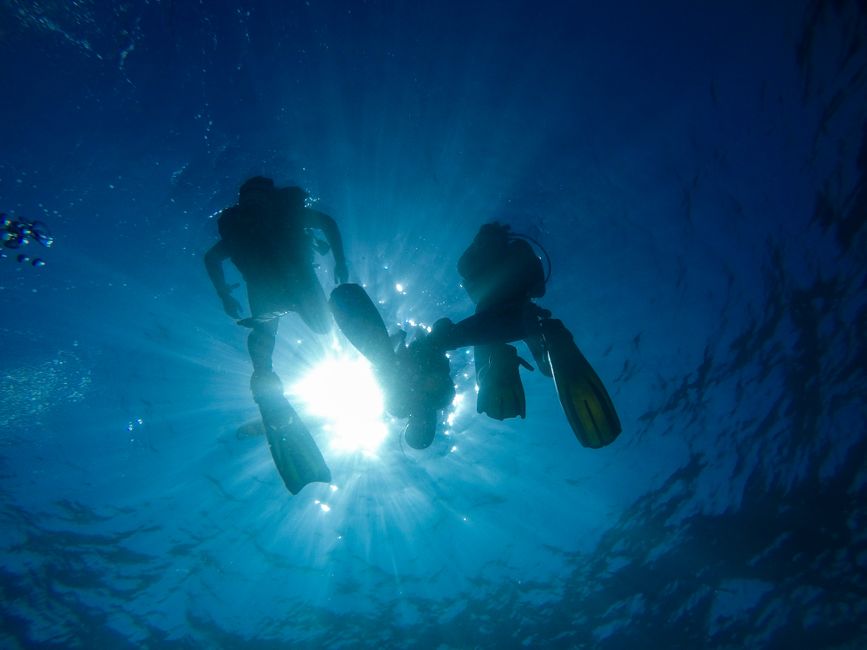
You don't need to be an Olympic athlete to scuba dive, but you do need basic fitness and proper training.
What Divers Get Wrong
Visitors sometimes overestimate their fitness level or skip refresher training after years away from diving. Scuba demands physical exertion—carrying tanks, moving through water against currents, managing buoyancy. If you're significantly out of shape, you'll exhaust yourself quickly, panic more easily, and increase risks.
Similarly, showing up with an open-water cert from ten years ago and expecting to dive advanced sites is a recipe for problems. Conditions change, skills get rusty, equipment has evolved. Some divers also attempt dives beyond their certification level—maybe they're PADI Open Water but try to do a deep dive or a current-heavy site that actually requires Advanced Open Water certification.
The Right Approach
Get certified before you arrive in Brazil if possible, or plan a full certification course at your destination (count on 3-4 days). If you haven't dived in years, do a refresher dive—most good operators offer these. Be honest about your fitness level. Do light cardio and stretching before your dive trip. Most importantly, respect your certification level and your personal limits. Northeast Brazil has dives suitable for all skill levels, so there's no need to overreach.
Mistake #4: Showing Up Without Proper Dive Planning and Logistics
Spontaneity is wonderful for travel, but scuba diving requires some upfront planning.
What Divers Get Wrong
Tourists often arrive at a beach assuming they'll just walk up to a dive shop, book a dive, and go. Sometimes this works, but frequently it doesn't—especially at popular spots during peak season. You'll either find all dives fully booked, or you'll end up with sketchy operators because that's all that's available.
Other mistakes include arriving at a dive location without checking if they actually have appropriate sites for your skill level, not allowing time for equipment rental or certification courses, or booking dives on consecutive days when your body needs surface intervals for nitrogen offgassing.
The Right Approach
Research and book dive operations 1-2 weeks in advance. Check their websites, read reviews on TripAdvisor or DiveAdvisor, and contact them directly with questions. Confirm they have dives suited to your certification level. Plan your diving schedule realistically—maybe 2-3 dives during a week-long trip, with rest days between. Arrange gear rental ahead of time if bringing your own is logistically challenging. Know what the local marine life looks like, common site conditions, and weather forecasts.
Mistake #5: Neglecting Marine Conservation and Respecting Local Ecosystems
This one's both an ethical and practical mistake that affects your experience and the underwater environment for future divers.
What Divers Get Wrong
Some visitors treat the underwater world like a theme park—touching coral (which damages it and can harm you), chasing fish to photograph them, stirring up sediment with poor buoyancy control, collecting shells or specimens as souvenirs. This behavior degrades fragile ecosystems and, frankly, ruins the experience for other divers who show up to degraded sites.
Additionally, ignoring local environmental regulations—like protected marine areas or seasonal fishing restrictions—contributes to overharvesting and ecosystem collapse. You might get amazing photos touching a sea turtle, but you're also stressing wildlife that shouldn't be handled.
The Right Approach
Master neutral buoyancy so you don't kick up sediment or accidentally contact coral. Look with your eyes, not your hands—cameras with zoom lenses are your friend. Maintain appropriate distance from marine life. Bring reef-safe sunscreen (regular sunscreen damages coral). Support local conservation organizations through responsible tourism dollars. Educate yourself on what species you're seeing and why they matter. This approach transforms scuba diving from consumption into genuine connection with an ecosystem you're helping protect.
Why Northeast Brazil Deserves Your Diving Adventure
Pernambuco's Recife area features vibrant coral gardens and shipwrecks. Alagoas' Maragogi offers some of Brazil's clearest waters and abundant tropical fish. Bahia's coral formations are among the most colorful in the Atlantic. Fernando de Noronha, an island off Pernambuco's coast, delivers marine biodiversity that feels almost surreal.
When you avoid these five mistakes, you're not just checking off a travel activity. You're experiencing one of South America's most underrated underwater destinations, supporting responsible dive operators, and helping preserve these ecosystems for future generations. The breathtaking landscapes aren't just on land in Brazil—they're waiting below the surface.
Ready to Dive Smart in Northeast Brazil?
Start your planning by researching certified dive operators in your target destination at least two weeks before your trip. Check water conditions, get properly certified or refreshed, invest in appropriate gear, and respect the marine environment. The underwater treasures of Northeast Brazil will reward your preparation with memories that last a lifetime.
Have you dived in Northeast Brazil? Share your experiences—and lessons learned—in the comments below. And if you're planning your first dive adventure there, let us know what questions you have. We're here to help you make the most of this incredible destination.
FAQ
What are the main scuba diving spots in Northeast Brazil beaches?
Northeast Brazil offers incredible scuba diving spots like Fernando de Noronha, Abrolhos National Marine Park, and Maragogi in Alagoas. These locations feature pristine coral reefs, vibrant marine life, and crystal-clear waters that make them perfect destinations for both beginners and experienced divers. Each spot has unique characteristics, from deep blue waters to shallow reef gardens.
Why is not checking the weather conditions a critical mistake in Northeast Brazil diving?
Weather conditions in Northeast Brazil can change rapidly, affecting water visibility and currents at your scuba diving spots. Diving during monsoon season or rough sea conditions can lead to dangerous situations and poor visibility that ruins your experience. Always check local forecasts and consult with dive operators about the best diving days before planning your trip.
How does improper equipment maintenance ruin your scuba diving experience?
Failing to maintain your diving gear properly can lead to equipment failure during dives at Northeast Brazil beaches, creating safety risks and interrupting your underwater adventure. Corroded regulators, faulty buoyancy compensators, and poorly maintained tanks can compromise your ability to explore scuba diving spots effectively. Always inspect and service your equipment regularly before heading to popular diving destinations.
What mistake do divers make regarding marine life interaction at Northeast Brazil scuba spots?
Touching, chasing, or feeding marine life at scuba diving spots in Northeast Brazil causes damage to coral reefs and stresses local wildlife. This behavior not only harms the delicate ecosystem but also ruins the natural diving experience and can result in injuries to yourself. Responsible divers observe marine animals from a distance and follow the golden rule: look but don't touch.
Why is skipping proper training a major mistake for diving in Northeast Brazil?
Many divers underestimate the importance of proper certification and training before exploring scuba diving spots in Northeast Brazil's challenging waters. Without adequate training, you may not know how to handle strong currents, navigate depth changes, or manage equipment problems in these beautiful but demanding locations. Always obtain proper PADI or equivalent certification and take local orientation dives before diving unfamiliar spots.


Comments
Post a Comment