Rio's Street Art Tours: Why Generic City Tours Miss the Real Culture
You're standing in front of the iconic Christ the Redeemer statue, snapping the same photo millions of tourists have taken before you. But here's the truth: the real soul of Rio de Janeiro isn't sitting on top of a mountain. It's painted across the walls, alleyways, and rooftops of neighborhoods most tour buses skip entirely.
Street art tours in Rio de Janeiro neighborhoods have become the antidote to cookie-cutter sightseeing. Instead of checking boxes on a tourist itinerary, you'll experience the vibrant, ever-evolving cultural heartbeat of this incredible city. These aren't your typical walking tours—they're immersive journeys into the jeito brasileiro, the uniquely Brazilian way of transforming urban spaces into open-air galleries.
Why Street Art Tells Rio's Real Story
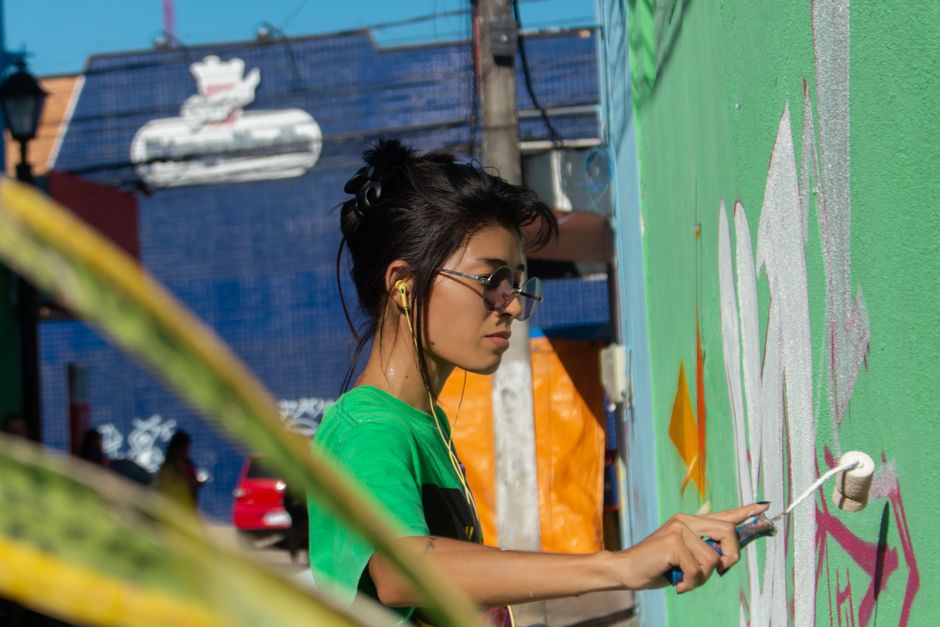
Rio's street art scene isn't just decoration. It's a powerful form of expression that captures the city's history, struggles, dreams, and infectious spirit. Unlike museums with their velvet ropes and entrance fees, street art belongs to everyone. Artists like Os Gemeos and Eduardo Kobra have transformed entire neighborhoods into cultural landmarks, and their work tells stories that guide books can't.
When you wander through these districts, you're literally walking through decades of Brazilian social commentary, political activism, and pure artistic creativity. Every mural has a backstory. Every neighborhood has its own visual language. This is where Rio's real culture lives—not in souvenir shops selling miniature Christ statues.
The Must-Visit Neighborhoods for Street Art Enthusiasts
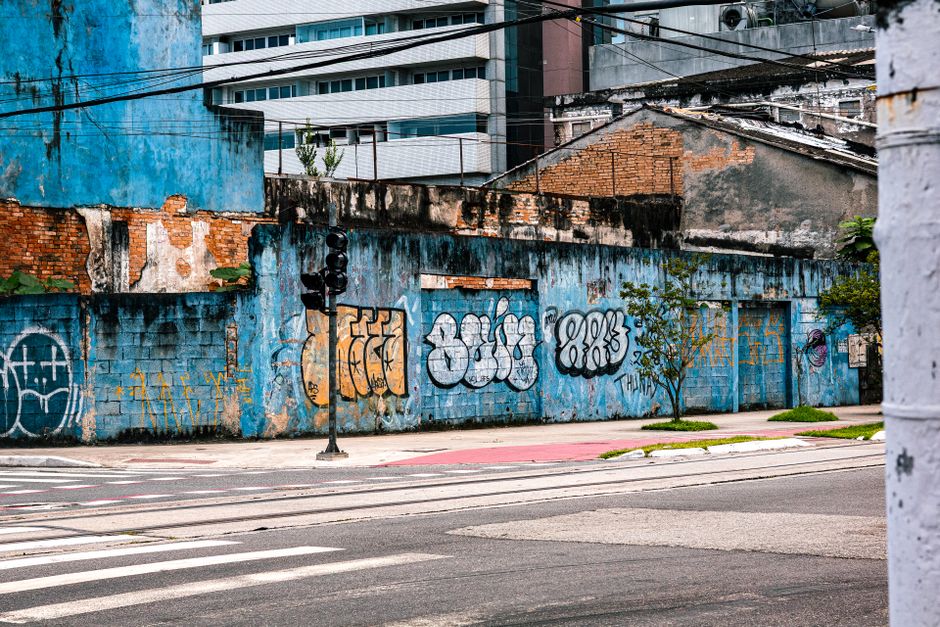
Santa Teresa: Where Bohemian Vibes Meet Revolutionary Art
Santa Teresa is the artistic soul of Rio, and honestly, no visit to the city is complete without exploring its steep cobblestone streets. This historic neighborhood attracts artists, musicians, and cultural seekers who have transformed it into an open-air museum. You'll find galleries, street art, vintage bookshops, and cafés where locals actually hang out—not just tourists.
The street art here tends to be more intricate and politicized than other neighborhoods. Artists use these walls to comment on social inequality, environmental issues, and Brazilian identity. Walking through Santa Teresa feels like being inside someone's creative mind, and the views of Rio's Guanabara Bay in the background make it even more magical.
Lapa: The Pulsing Heart of Street Culture and Samba
Lapa is where street art collides with live music, street food, and the unmistakable energy of Rio's nightlife. During the day, it's a treasure trove of murals and tags from renowned local artists. By night, it transforms into a samba hotspot where you can catch impromptu performances and feel the rhythm that defines Brazilian culture.
The street art in Lapa is diverse—from large-scale murals celebrating musical icons to smaller, intricate pieces tucked into corners. You'll see tributes to legendary samba singers, bold geometric patterns, and activist art addressing social justice. Many tours combine street art exploration with visits to local botequins (traditional Brazilian bars) where you can grab authentic caipirinhas and street food while soaking in the authentic atmosphere.
Favela Tours: Understanding Rio's Communities Through Art
This requires sensitivity and respect, but favela tours with reputable local guides offer insights into neighborhoods that mainstream tourism overlooks. Several favelas—particularly in areas like Santa Marta and Vila Cruzeiro—have become known for their vibrant street art projects.
These tours are important because they shift the narrative. Instead of sensationalized portrayals, you're learning directly from residents and seeing how community-led art projects are transforming spaces. Local artists are using murals to celebrate neighborhood pride, document history, and advocate for better infrastructure. When you book with community-based organizations, your money directly supports local artists and residents.
Cidade Nova: The New Wave of Contemporary Street Art
Cidade Nova is where you'll find some of Rio's most cutting-edge, experimental street art. This neighborhood has experienced revitalization in recent years, and artists have seized the opportunity to create massive, intricate murals. The style here is often more contemporary and abstract compared to other neighborhoods.
Eduardo Kobra's work dominates certain streets here, along with collaborative projects between Brazilian and international artists. If you're interested in contemporary visual culture and how cities use art for urban renewal, Cidade Nova should be on your radar.
What to Expect on an Authentic Street Art Tour
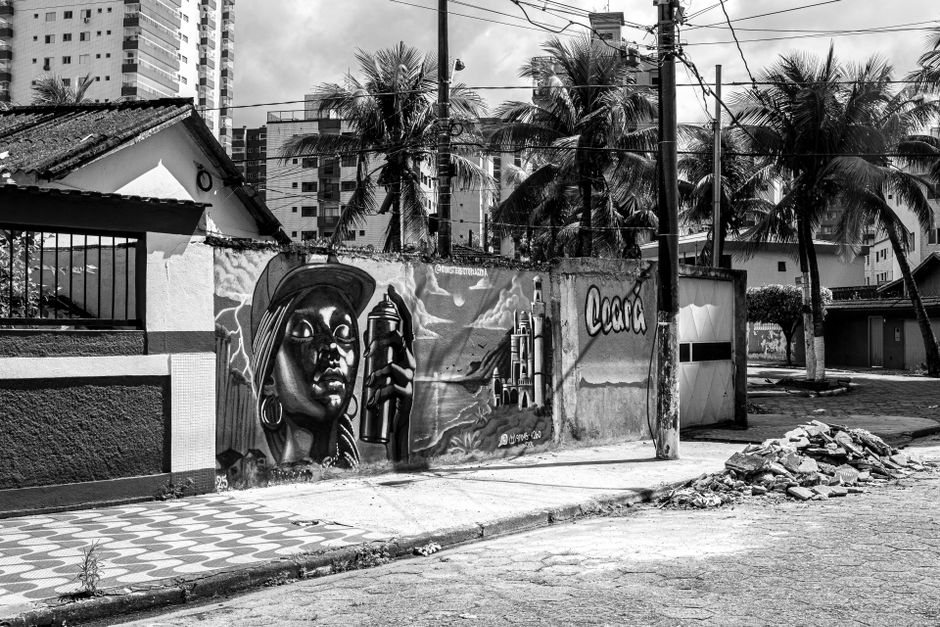
Expert Local Guides Who Actually Know the Artists
The best tours are led by local guides—often artists themselves or people deeply connected to Rio's art community. They don't just point at murals; they explain the artists' intentions, the political context, the neighborhoods' histories, and the technical skills involved in creating large-scale street art.
A good guide will take you to spots that aren't on Instagram yet. They'll know which artists are active right now, where new pieces went up this week, and they might even arrange meetings with working artists. This insider knowledge makes the difference between a tourist experience and a genuine cultural immersion.
Understanding the Techniques and Styles
Street art isn't just graffiti—though many artists work in multiple styles. You'll learn about stenciling, wheatpasting, spray painting techniques, and how artists adapt their work to different surfaces and urban landscapes. Understanding the craft deepens your appreciation for what you're seeing.
Connections to Capoeira, Samba, and Brazilian Identity
Many tours connect street art to broader aspects of Brazilian culture. You might visit a capoeira studio, meet samba musicians, or explore how music and visual art inform each other in Rio's creative scene. This holistic approach gives you a much richer understanding of Rio's cultural ecosystem.
Practical Information for Planning Your Tour
Best Time to Go
Street art tours work year-round, but they're most comfortable during Rio's cooler months (May to September). However, some artists are more active during other seasons, and new pieces appear constantly, so timing matters less than showing up with an open mind.
How Long to Budget
Most street art tours last 3-4 hours, covering 2-4 neighborhoods depending on the pace. Some tours are evening affairs, combining art exploration with dinner or drinks in local spots. Plan for plenty of photo stops and conversation time—you'll want to linger and absorb the atmosphere.
Physical Considerations
Santa Teresa, in particular, involves steep hills and cobblestone streets. Wear comfortable walking shoes with good grip. Some tours are more leisurely; others move at a brisk pace. Choose based on your fitness level, and don't hesitate to ask tour operators about the physical demands before booking.
Safety and Responsible Tourism
Street art tours through local neighborhoods are safe when done with reputable guides. Stick with organized tours rather than wandering alone, especially in areas unfamiliar to you. Respect private property, ask permission before photographing people, and buy from local vendors when possible. This isn't just good tourism—it's showing respect for the communities you're visiting.
Beyond the Tour: Supporting Rio's Street Artists
If you fall in love with the art—and you probably will—consider buying directly from artists when possible. Many sell prints, stickers, or allow commissions. Visit galleries that showcase street artists' work. Attend community art events. Your support helps sustain the creative culture that makes Rio extraordinary.
Instagram these murals, tag the artists, and tell people back home what you learned. The more visibility Rio's street artists get internationally, the more their work is valued and protected.
The Real Rio Awaits
Generic city tours will show you Rio's postcard views. But street art tours show you Rio's heart. You'll understand why this city captivates people, why its culture is so influential globally, and why locals are fiercely proud of their neighborhoods. You'll return home with stories about the artists you met, the murals that moved you, and a deeper appreciation for how art functions as a form of community resistance, celebration, and identity.
Rio de Janeiro is more than beaches and mountains. It's a living, breathing canvas where every street corner holds a story. Book a street art tour, wear comfortable shoes, bring your camera and your curiosity, and prepare to see Rio the way its own people experience it.
Ready to explore Rio's vibrant street art scene? Research local guides on platforms like Airbnb Experiences, ToursByLocals, or community organizations in neighborhoods like Santa Teresa and Lapa. Book tours with guides who share a percentage of their earnings with local artists, and ask about opportunities to support the communities you're visiting. Your next adventure is waiting on Rio's walls.
FAQ
Why are street art tours in Rio de Janeiro neighborhoods better than generic city tours?
Street art tours in Rio de Janeiro neighborhoods offer authentic cultural experiences that generic city tours simply cannot match. They showcase the real stories, history, and voices of local communities through vibrant murals and graffiti art. Generic tours often stick to tourist-friendly spots and miss the raw creativity and social commentary that define Rio's true artistic identity.
What makes Rio's street art culture unique compared to other major cities?
Rio's street art is deeply rooted in the city's social and political struggles, making it a powerful form of expression rather than just decoration. The neighborhoods like Santa Teresa, Lapa, and the favelas host murals that tell stories of inequality, resistance, and community pride. This authenticity and cultural significance set Rio apart from cities where street art is treated as a commercial trend.
How do street art tours help tourists understand Rio's neighborhoods better?
Street art tours led by local guides provide insider perspectives on neighborhood histories, traditions, and contemporary issues that shape each community. Visitors learn directly from residents and artists about the cultural significance behind each piece rather than reading from a guidebook. This immersive approach creates genuine connections between tourists and local culture.
What neighborhoods in Rio are known for their exceptional street art scenes?
Santa Teresa, Lapa, and the Favela Painting Project in Manguinhos are among Rio's most vibrant street art destinations. Each neighborhood has distinct artistic styles reflecting its unique history and community character. Beyond these, areas like Vila Isabel and Cidade Nova are also emerging as incredible showcases of Rio's evolving street art culture.
How do street art tours support the local artistic community in Rio?
Street art tours directly benefit local artists by providing them exposure, recognition, and sometimes financial support through tour fees and commissions. These tours also help preserve neighborhood cultural identity by celebrating local talent and preventing gentrification that erases community heritage. Supporting such tours means investing in Rio's authentic creative ecosystem rather than corporate tourism.


Comments
Post a Comment