Baroque Churches and Hidden Plazas: Minas Gerais Colonial Towns Beyond Ouro Preto
If you've heard anything about colonial Brazil, you've probably heard about Ouro Preto. And yeah, it's absolutely stunning—those golden-hued baroque churches and winding cobblestone streets deliver exactly what the tourism brochures promise. But here's the thing: Minas Gerais has way more colonial treasures hiding in plain sight, and many of them feel refreshingly untouched by the Instagram crowd. You could spend weeks exploring these mountain towns without bumping into a tour bus, discovering genuine baroque architecture, talking to locals who actually live in 18th-century buildings, and experiencing the jeito brasileiro of hospitality that makes travel here so special.
Why Minas Gerais Became Brazil's Colonial Treasure Chest

Back in the 1690s, something magical happened: gold. Lots of it. When Portuguese miners struck it rich in the highlands of what's now Minas Gerais, wealthy colonists didn't just build houses—they poured their fortunes into creating entire towns that still look like they time-traveled from baroque Europe. The difference? These towns developed a distinctly Brazilian character, blending Portuguese architectural traditions with local materials, climate considerations, and an emerging cultural identity that was becoming uniquely Brazilian.
The Portuguese crown understood that gold towns needed infrastructure, so they invested in churches, government buildings, and plazas to establish authority and religious prestige. This created a concentration of baroque architecture that's honestly unparalleled in the Americas. What makes it even better for travelers is that many of these towns never experienced industrial development—they preserved their colonial character simply because progress moved elsewhere. For you, that means walking into streets that look almost identical to how they appeared 250 years ago.
Beyond Ouro Preto: Must-See Colonial Towns
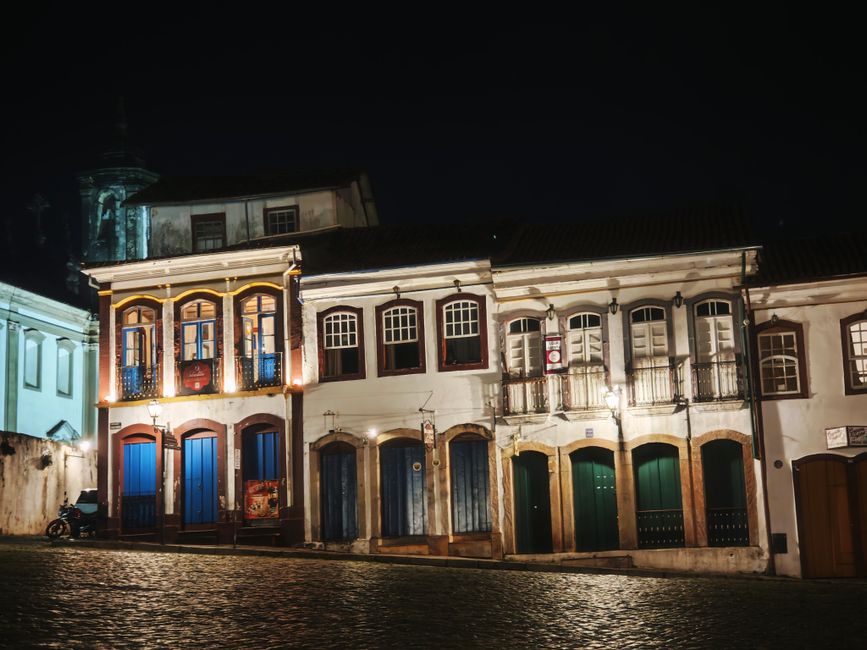
Diamantina: The Mountain Town That Feels Like Home
Located in the northern mountains of Minas Gerais, Diamantina is what happens when a colonial diamond-mining town decides to stay authentic instead of becoming a theme park. The town sits at about 3,800 feet elevation, so there's a refreshing coolness—especially compared to Brazil's typically steamy climate. The main plaza, Praça Conselheiro Matos, is surrounded by perfectly preserved colonial buildings with that distinctive baroque aesthetic: colorful facades (bright yellows, pale blues, soft pinks) trimmed in white stone, wooden shutters, and narrow alleyways that seem designed for leisurely wandering.
What makes Diamantina special is the vibe. Yes, tourists come here, but not in overwhelming numbers. You can actually sit at a café, order a café com leite and a pão de queijo (that delicious cheese bread), and watch daily life happen. The Cathedral of Santo Antônio is a masterpiece—white-washed exterior, incredibly ornate baroque interior with gold leaf work that catches the light in ways that make you understand why colonists went broke decorating churches. There's also the Casa da Glória, a historic mansion that's now a cultural center, and the Gruta do Salitre—a limestone cave right outside town where locals have been swimming for generations.
Tiradentes: Where Art Meets History
This tiny town (population around 6,000) has become a haven for artists and boutique hotels while somehow maintaining its colonial soul. Named after Joaquim José da Silva Xavier, a freedom fighter executed by the Portuguese crown, Tiradentes carries historical weight lightly. The town is ridiculously photogenic—narrow streets paved with rounded stones, buildings painted in jewel tones, and geraniums spilling from window boxes.
The Igreja de Santo Antônio (Church of Saint Anthony) is one of the most impressive baroque churches in all of Minas Gerais, sitting at the head of the main square like a golden guardian. The interior is jaw-dropping—floor to ceiling gilded wood carvings, sculptures, and altar pieces that represent centuries of artistic tradition. Beyond the obvious historical sites, Tiradentes has become known for quality restaurants, galleries, and studios. This isn't your typical colonial town frozen in time; it's a living place where tradition and contemporary culture coexist in ways that feel natural rather than forced.
Congonhas: The Sanctuary of Sculptural Genius
If you're serious about baroque architecture and art, you cannot skip Congonhas. This town is home to the Sanctuary of Bom Jesus do Matosinhos, and more importantly, it houses the most incredible sculptures you'll see in Brazil: the twelve soapstone prophets carved by Aleijadinho, one of Brazil's most famous sculptors and a guy who created masterpieces while going blind and losing his hands (he carved with specially designed prosthetics—truly a legend).
These life-sized prophets stand in the sanctuary's atrium, positioned on curved balconies overlooking the town. Each one is distinct—they gesture, speak, and emote in ways that make them feel alive. The sanctuary itself is a baroque marvel with white walls, decorative tiles, and an interior that justifies the church's reputation as one of Brazil's most important religious sites. What tourists often miss is the town itself, which has that authentic mountain-village feeling. Wander the streets, grab lunch at a local spot, and chat with people who take genuine pride in their town's artistic heritage.
São João del-Rei: The Elegant Overlooked Town
About 40 minutes from Tiradentes, São João del-Rei gets less tourist foot traffic than other colonial towns, which means you're exploring with more space and fewer crowds. The town sits along the Rio das Mortes, and the architecture spans several blocks with remarkable consistency. There are two major baroque churches here—the Basílica de Nossa Senhora do Pilar and the Igreja de São Francisco de Assis—each worth extended visits.
What makes São João del-Rei particularly interesting is its preserved colonial infrastructure. There's a functioning train that runs between São João del-Rei and nearby Tiradentes on weekends—a beautiful narrow-gauge railway built in 1881 that gives you a scenic journey through valleys and forests. The town also hosts an annual music festival and has become a center for cultural events that attract Brazilian artists and musicians.
How to Experience Colonial Architecture Authentically

Skip the Generic Tours, Do This Instead
Tourist bus tours will show you the main church and the main plaza, then whisk you off. Instead, hire a local guide for a few hours—not someone from a tour operator in São Paulo, but an actual resident who knows the town's stories beyond what's in the guidebook. These guides typically charge $40-60 for a 3-4 hour walk and will take you to lesser-known baroque details, introduce you to artisans, and explain the town's history with genuine passion.
Better yet, stay overnight. The difference between visiting a colonial town as a day-tripper versus sleeping there is the difference between seeing someone's photo and actually meeting them. When you're staying in a pousada (guesthouse) in a 300-year-old mansion, waking up to church bells, and having breakfast with other guests who actually care about architecture and history, you're experiencing these towns the right way.
Visit Churches at Off-Peak Times
Most tourists flood colonial churches between 10 AM and 2 PM. Go early—like 7 AM—or in late afternoon around 4 PM. You'll have the space almost to yourself, and churches are genuinely more moving when there's natural light coming through windows and you can hear the silence. Bring a notebook and actually sit for 20 minutes observing the architecture. Look at how light hits the gold leaf. Notice the proportions and symmetry. This is how these spaces were designed to be experienced.
Talk to Artisans and Local Businesses
Many colonial towns have workshops where artisans create traditional crafts—baroque-style wood carvings, tiles, and religious art. These aren't tourist shops; they're actual working studios. A 15-minute conversation with someone who's spent 30 years carving baroque details will teach you more about the style than any guidebook. People are generally happy to chat, especially if you're genuinely interested.
Practical Information for Planning Your Trip
When to Visit
April through September offers the best weather—cooler temperatures in the mountains and less rain. Avoid January and February, which are hot and humid. December can be nice but towns get crowded with Brazilian families on holiday. October and November offer perfect conditions with minimal crowds.
How to Get Around
You'll want a car or need to hire local drivers. These towns are in the mountains, and public transportation between them is limited. Renting a car gives you flexibility, though narrow colonial streets and limited parking require some navigational creativity. Buses connect major towns but schedules are infrequent. Most travelers book drivers through their pousadas for day trips—typically $50-80 for the day including waiting time.
Where to Stay
Colonial towns in Minas Gerais have genuinely excellent pousadas—family-run guesthouses that often occupy historic buildings themselves. Budget travelers should expect $40-70 per night for quality accommodations; mid-range runs $80-150. These prices are refreshingly reasonable compared to other Brazilian destinations. Staying in the town center matters—you want to experience the streets at night and early morning, not be stuck in an outlying hotel.
Food and Dining
Minas Gerais cuisine is hearty, traditional, and delicious. Feijoada (black bean stew with pork), mine-iro cheese, and fresh trout appear on many menus. Local restaurants are affordable—you can eat very well for $15-25 per person at established places. Try local cachaça (sugar cane spirit) from small producers rather than the big commercial brands.
The Real Value of Slow Colonial Tourism
Here's why this travel style matters: colonial towns aren't just museums. They're living places where people work, pray, celebrate, and struggle—many with limited resources in buildings that require constant maintenance. When you stay longer, eat locally, and support small businesses, you're participating in the actual economy rather than extracting experiences like a tourist commodity. You're also giving yourself the real gift of travel: the chance to slow down, notice details, and actually understand a place rather than just collecting Instagram photos.
Minas Gerais's colonial towns exist in a strange sweet spot right now in 2026—they're increasingly well-known but not yet overwhelmed, developed enough to be comfortable for travelers but not so developed that they've lost character. The baroque churches and hidden plazas of these mountain towns represent a particular moment in world history—when Portuguese colonists, enslaved African people, indigenous influences, and European baroque traditions collided to create something genuinely unique.
Ready to Explore?
The colonial architecture of Minas Gerais is waiting, and the experience is nothing like you'd get from a resort pool. Start with a 4-5 day loop visiting Diamantina, Tiradentes, and Congonhas. Stay in locally-owned pousadas. Hire a local guide for at least one town. Eat where locals eat. Wake up early and walk the streets alone. That's how you actually experience these places, and that's the kind of travel that changes how you see the world.
Have you explored colonial Minas Gerais? Share your favorite hidden town in the comments below—help other travelers discover the baroque treasures beyond the typical tourist route.
FAQ
What are some must-visit colonial architecture towns in Minas Gerais besides Ouro Preto?
Tiradentes, Diamantina, and São João del-Rei are exceptional colonial towns in Minas Gerais that showcase stunning baroque architecture and authentic historic character. Each town features beautifully preserved churches, charming plazas, and cobblestone streets that transport visitors back to the 18th century. These destinations offer excellent colonial architecture tours that rival Ouro Preto in beauty while remaining less crowded.
What architectural features are typical of baroque churches found in historic Minas Gerais?
Baroque churches in Minas Gerais typically feature ornate gold leaf interiors, elaborate wooden carvings, and distinctive bell towers that dominate town squares. These structures showcase Portuguese colonial architectural influences combined with local artisan craftsmanship, particularly evident in their gilded altars and intricate tilework. The churches often display asymmetrical facades and dramatic use of light and shadow characteristic of the baroque style.
Why should travelers take guided colonial architecture tours in Minas Gerais instead of exploring independently?
Guided colonial architecture tours in historic Minas Gerais provide expert knowledge about the towns' rich history, architectural significance, and the stories behind hidden plazas and lesser-known churches. Professional guides can access restricted areas, explain the cultural and religious context of baroque decorations, and reveal fascinating details that casual visitors might miss. Tours also help visitors navigate the steep cobblestone streets efficiently while supporting local communities through tourism.
What hidden plazas can visitors discover while exploring colonial towns in Minas Gerais?
Beyond the main town squares, colonial towns in Minas Gerais feature charming hidden plazas like Praça Tiradentes in Tiradentes and intimate courtyards surrounding baroque churches. These hidden gems often contain small chapels, fountains, and monuments with significant historical importance that many tourists overlook. Exploring these tucked-away spaces reveals the authentic daily life of colonial communities and provides peaceful respites from busier areas.
How did the gold mining era influence the baroque architecture in Minas Gerais colonial towns?
The 18th-century gold rush made Minas Gerais wealthy enough to construct elaborate baroque churches with expensive imported materials and skilled artisans from Portugal and Europe. This wealth funded the intricate gilded altars, precious wood carvings, and detailed tilework that characterize the region's architecture. When gold mining declined, these towns froze in time, preserving their baroque splendor and making them invaluable examples of colonial Portuguese architectural heritage today.


Comments
Post a Comment