Chasing Authentic Brazilian Food: Where to Find Real Flavors Beyond Tourist Traps
You've landed in Brazil, and your stomach is ready for an adventure. But here's the thing—if you're eating at that restaurant with the laminated menu and the server pushing the same feijoada to every table, you're missing the real jogo bonito of Brazilian cuisine. The authentic flavors that make Brazil's food scene legendary aren't waiting in air-conditioned dining rooms with inflated prices. They're happening in neighborhood joints, beachside shacks, and family-run establishments where locals line up because the food is genuinely incredible.
Finding authentic Brazilian restaurants isn't just about eating—it's about cultural immersion. When you sit down at a real boteco or a traditional churrascaria, you're experiencing the jeito brasileiro of hospitality and flavor that's been perfected over generations. Let me share where to actually find these places and what to order when you get there.
Why Tourist Restaurants Fail to Capture Real Brazilian Food
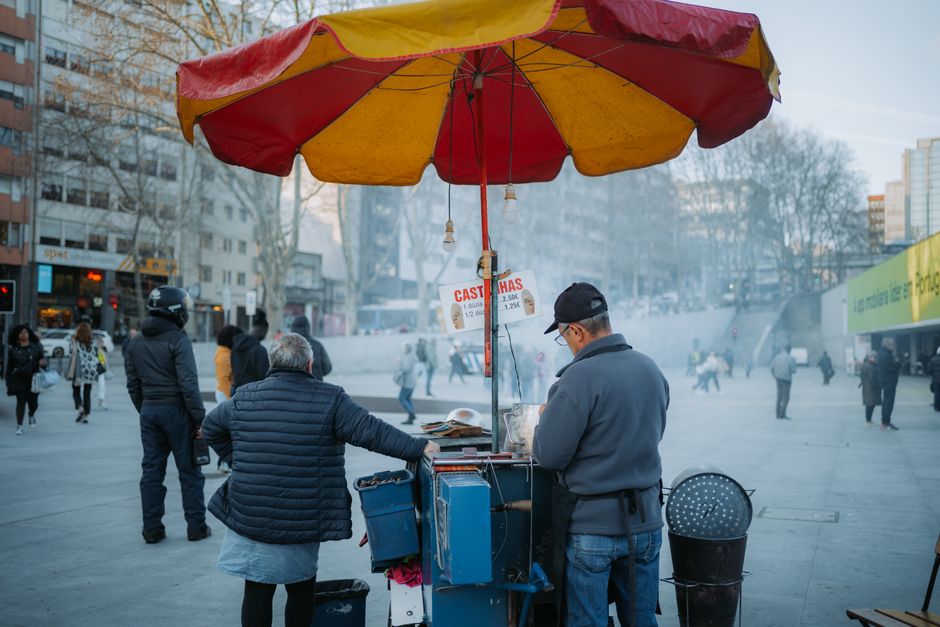
Listen, there's nothing inherently wrong with restaurants that cater to visitors. The problem is that authenticity gets watered down when profit margins become the priority. Tourist-focused establishments often:
- Simplify dishes to match international palates rather than celebrate regional complexity
- Source ingredients from convenient suppliers instead of local markets and producers
- Create "safe" versions of traditional food that lack the bold flavors locals actually crave
- Price food at 3-4 times what you'd pay at a genuine local spot
- Rush service, treating meals as transactions instead of experiences
The authentic Brazilian food experience happens differently. In a real neighborhood restaurant, you'll see families sharing long meals, businesspeople grabbing quick lunches at the counter, and elderly folks who've been eating at the same place for decades. That's your sign you've found something real.
Regional Brazilian Cuisine: Where Real Food Lives

Northeast Brazil's Seafood and Spiced Traditions
The Northeast isn't just about beaches—it's a gastronomic treasure chest. In cities like Salvador and Recife, traditional restaurants serve dishes that have been refined for centuries. Look for places serving fresh moqueca (a coconut-based fish stew), peixada (fish cooked in a clay pot), and regional shrimp preparations that showcase locally caught seafood.
Street vendors and casual outdoor restaurants around the waterfront in cities like Olinda and Maceió often serve the most authentic versions. You'll find women in white traditional dress selling acarajé (black-eyed pea fritters) from street carts—these snacks are the real deal and cost a dollar or two.
Bahia: Where African, Indigenous, and Portuguese Influences Collide
Bahia's food scene is where you taste Brazil's soul. Authentic restaurants here serve dishes with African roots that came through the historical trade routes. Seek out places serving:
- Feijoada de Bahia—heartier than the Rio version, often with more offal and regional touches
- Bobó de camarão—shrimp in a creamy cassava and palm oil sauce that's absolutely addictive
- Caldo de banana—a soup with banana and fish that sounds weird but tastes extraordinary
- Xinxim de galinha—chicken in a peanut and palm oil sauce with deep, complex flavors
In Salvador, skip the restaurants in the Pelourinho tourist zone. Instead, head to neighborhoods like Barra or Rio Vermelho where locals eat. You'll pay half as much and get triple the authenticity.
São Paulo: Street Food Capital Meets Immigrant Kitchen
São Paulo's authentic food isn't about fancy plating—it's about bold flavors and cultural fusion. The city's Japanese, Italian, Lebanese, and Korean communities have created unique Brazilian-immigrant mashups you won't find elsewhere. Authentic spots here mean:
- Boteco culture—standing-room-only bars serving simple, incredible food with cheap beer
- Japanese neighborhoods serving ramen and donburi bowls that rival Tokyo
- Lebanese restaurants making kibbeh and shawarma with Brazilian twist
- Pastel stands where fried pastries stuffed with cheese, meat, or palm heart are works of art
The Bom Retiro and Liberdade districts are where immigrant communities established their culinary kingdoms. Eat where grandmothers are cooking, not where Instagram influencers are posing.
Minas Gerais: Comfort Food That Defines a Region
In colonial towns like Ouro Preto and Diamantina, authentic Brazilian food means slow-cooked comfort dishes. This is where you find:
- Tutu de feijão—mashed beans with meat and spices, served as a side that steals the show
- Caldo de cana—fresh sugarcane juice, sometimes spiked with cachaça
- Broinhas de chuva—rain fritters that locals make when afternoon storms arrive
- Pão de queijo—cheese bread that's crispy outside and chewy inside, addictive beyond reason
Hunt for family-run restaurants in the historic centers where recipes have passed through three generations. These places rarely have websites—ask your guesthouse owner or hotel concierge where they personally eat lunch.
How to Spot Authentic Brazilian Restaurants

The Physical Clues That Matter
Before you even look at a menu, your senses should tell you if a restaurant is real:
- Plastic chairs and simple decor—if it looks too polished, it's probably catering to visitors
- No English menu—this is actually a good sign in smaller cities
- Lunch rush at noon—locals eating fast means the food is good and affordable
- Daily specials written on a chalkboard—authentic restaurants change their menu based on market availability
- Open kitchen—you should see actual cooking happening, not plating in a hidden back room
Menu Language and Food Structure
Real Brazilian restaurants structure meals differently than tourist establishments. Look for:
- A "prato do dia" (dish of the day) that's a full meal for 12-18 reais
- Rice and beans as standard sides, not upcharges
- Minimal descriptions—if the menu reads like food poetry, you're in the wrong place
- Regional specialties as the main focus, not the gimmick
- Prices that seem too cheap—that's authenticity, not a scam
The People Inside
This is the most reliable indicator. In authentic restaurants, you'll see:
- Construction workers, office staff, and regular families—not tour groups
- Tables where the same people have clearly sat for years
- Staff who move slowly because they're not rushing people through
- Everyone eating the same handful of dishes repeatedly
Regional Specialties Worth Hunting For
Seafood-Based Authenticity
In any coastal region, find a restaurante de pescado (fish restaurant) where fishermen sell to the kitchen directly. The freshness makes everything taste better. Look specifically for:
- Grilled fish with just lime and salt in the Northeast
- Shrimp cooked in garlic and palm oil in Bahia
- Oysters and clams raw or steamed along the southern coast
Meat Culture Beyond Churrasco
While churrasquerias (barbecue restaurants) are authentic when they're local favorites, the real meat experience happens at:
- Churrascarias de bairro—neighborhood barbecue spots without the rodizio (all-you-can-eat) format, where you pick what you want
- Butcher shops serving prepared food—often have a small counter with traditional preparations
- Family restaurants serving picadinho—seasoned ground beef that's both humble and perfect
Market-to-Table Hidden Gems
Visit mercados municipais (municipal markets) in any Brazilian city. These aren't just shopping spots—many have restaurants attached where chefs cook with ingredients that literally just came through the front door. The food is seasonal, it's cheap, and it's as authentic as it gets.
Avoiding Common Tourist Food Traps
There are patterns to watch for that indicate you're about to overpay for mediocre food:
- Restaurants with multiple menus—Portuguese for locals, English/Spanish for tourists with different prices
- Places that describe food as "traditional" or "authentic" on their signage—real restaurants don't need to claim this
- Rooftop bars serving "Brazilian fusion" cuisine—fusion is different from authentic
- Restaurants near major tourist attractions with picture menus and smiling staff outside
- All-you-can-eat establishments that charge by weight or person—quality suffers at scale
Using Technology Wisely to Find Real Food
Google Maps and review apps are helpful, but use them strategically. Look for restaurants with:
- Portuguese-language reviews that describe specific dishes
- Local reviewers who mention "meu bairro" (my neighborhood)
- Photos that show actual customers eating, not styled food photography
- Reviews from people discussing price and value, not just novelty
Apps like Foursquare/Swarm often show where locals actually check in, which can be more reliable than tourist-heavy platforms. Don't ignore asking hotel staff either—the best tip often comes from someone who's lived there for years.
What to Order at Authentic Brazilian Restaurants
Never-Fail Dishes That Show Quality
If you want to test whether a restaurant is truly authentic, order these classics. They're simple enough that mediocrity shows immediately:
- Feijoada—black bean stew that separates good restaurants from tourist traps
- Moqueca—regional fish stew where freshness is everything
- Arroz e feijão—basic rice and beans that reveal if a kitchen cares about fundamentals
- Grilled fish with lime—nothing hides bad ingredients or technique
- Pão na chapa—grilled bread that shows if they're using quality butter
Regional Beverages Beyond Caipirinha
Skip the tourist-bar caipirinha (unless you're at a beachside boteco) and try:
- Agua de coco—fresh coconut water straight from the nut
- Suco natural—fresh fruit juice made to order with seasonal fruits
- Refrigerante Brahma ou Antarctica—the local beers that have been cold since morning
- Guaraná Antártica—the Brazilian soft drink that tastes like nothing else
Planning Your Authentic Food Journey
When to Eat Like a Local
Brazilian meal times differ from what you might expect. Lunch happens roughly 11 AM to 2 PM, and this is when restaurants serve their best food at their lowest prices. Dinner starts late (8 PM or later) and isn't as heavily promoted. Breakfast is light—café da manhã—with coffee, bread, and maybe cheese or ham.
Budget Reality for Authentic Food
Real Brazilian food is cheap compared to what Americans and Europeans expect. A full, satisfying meal with meat, rice, beans, salad, and drink at an authentic spot runs 15-25 reais (roughly $3-5 USD). Splurging on a nicer neighborhood restaurant might get you to 40-50 reais. If a restaurant seems expensive, it's prioritizing tourists over quality.
Your Next Steps
The next time you land in a Brazilian city, skip the hotel restaurant. Ask your Airbnb host or guesthouse owner where they eat lunch on a Tuesday. Walk down residential streets and follow the smell of grilling meat or simmering stews. Check out the mercado instead of the mall. Sit at a boteco counter and watch how locals order.
Authentic Brazilian food isn't hiding—it's just not usually marketed to tourists. The recipes are straightforward, the ingredients are bold, and the experience is real. That's what makes it worth seeking out.
Ready to taste Brazil the right way? Share in the comments: what's the most authentic Brazilian dish you've discovered on your travels? Or tell us which region you're planning to visit next—we'll point you toward the real food!
FAQ
What are the best restaurants with authentic Brazilian food that locals actually visit?
The best authentic Brazilian restaurants are typically found in residential neighborhoods rather than tourist areas. Look for family-owned establishments in zones like Vila Madalena in São Paulo or Lapa in Rio de Janeiro, where chefs prepare traditional recipes passed down through generations. Local food blogs and neighborhood recommendations are often more reliable than tourist guides for finding these hidden gems.
How can I identify which restaurants serve real Brazilian cuisine versus tourist-oriented food?
Authentic Brazilian restaurants usually have simple, unpretentious décor and menus written in Portuguese with regional specialties rather than international adaptations. Check if the establishment sources ingredients locally and whether the clientele consists mainly of Brazilian customers rather than tourists. Reading reviews on Brazilian platforms like TripAdvisor Brazil or asking locals for recommendations will help you distinguish genuine restaurants from those catering to tourists.
What regions of Brazil are known for having the best authentic food experiences?
Bahia is renowned for its distinctive Afro-Brazilian cuisine featuring dishes like moqueca and acarajé, while Minas Gerais offers comfort food classics like feijão tropeiro and pão de queijo. The Amazon region features unique indigenous ingredients and riverfish specialties, while São Paulo's diverse neighborhoods showcase food from all Brazilian regions. Each area has best restaurants with authentic Brazilian food that reflect the local culture and available ingredients.
Should I eat at upscale fine dining restaurants or casual eateries for authentic Brazilian food?
While some upscale restaurants do serve authentic cuisine with refined techniques, casual eateries and street vendors often provide more genuine flavors and traditional preparations. The best approach is to explore both: enjoy fine dining experiences at acclaimed Brazilian restaurants, but also visit boteco bars, markets, and neighborhood lanchonetes where everyday Brazilians eat. This combination gives you the most complete understanding of authentic Brazilian food culture.
What dishes should I specifically look for when searching for authentic Brazilian restaurants?
Seek out regional specialties like feijoada (black bean stew), churrasco (grilled meats), pirarucu de banana (Amazonian fish), caldo verde, and street foods like pastel and coxinha. The best restaurants with authentic Brazilian food will feature daily specials reflecting seasonal ingredients and family recipes. Ask your server about house specialties and dishes that aren't listed on the main menu, as these often represent the chef's most authentic offerings.


Comments
Post a Comment