Salvador's Living Culture: What Makes This City Essential for Every Traveler
When most people think about traveling to Brazil, their minds immediately jump to Rio's iconic beaches or the Amazon's rainforest canopy. But here's the thing—if you're seeking cultural experiences you shouldn't miss in Salvador Brazil, you're about to discover a destination that will fundamentally change how you understand Brazilian identity. This isn't just another beach town. Salvador is the beating heart of Afro-Brazilian culture, a place where history literally walks alongside you on cobblestone streets, where rhythm flows through the air like oxygen, and where every meal tells a story centuries in the making.
After years of travelers reporting that Salvador felt like the "real Brazil" compared to more touristy destinations, we decided to dig deep into what makes this northeastern jewel so magnetic. What we found surprised us: Salvador isn't trying to be anything other than what it is. There's no artificial "tourist experience" here—just authentic, unfiltered Brazilian culture waiting for you to immerse yourself in it.
The Afro-Brazilian Soul: Understanding Salvador's True Identity

Before you set foot in Salvador, you need to understand one fundamental truth: this city is the epicenter of Afro-Brazilian heritage. Over 80% of Salvador's population has African ancestry, and this reality shapes everything—the music, the food, the spiritual practices, the language patterns, and the overall jeito brasileiro (the characteristic Brazilian way) you'll experience.
Unlike many tourist destinations that package culture into neat, digestible experiences, Salvador's culture is living and breathing. You're not observing something behind glass; you're stepping into an ongoing conversation that's been happening for 500 years.
Capoeira: More Than Dance, It's Resistance
When you watch capoeira for the first time, you'll understand why Brazilians describe it as "jogo bonito"—the beautiful game. This martial art disguised as dance was created by enslaved Africans who needed to maintain physical strength and combat skills while evading their oppressors. Today, it's a UNESCO-recognized cultural expression and absolutely non-negotiable on your Salvador itinerary.
Here's where most tourists miss the real experience: skip the staged performances at hotel lobbies. Instead, head to a roda de capoeira (capoeira circle) happening naturally in public spaces like Pelourinho or near the beach neighborhoods. You'll find street performers, serious practitioners, and tourists all sharing the same space. The energy is infectious. If you want to go deeper, book a lesson with a local mestre (master) who can explain the historical significance while teaching you basic moves. Expect to pay around $25-40 USD for a one-hour private lesson.
Candomblé Spirituality: A Window Into African Diaspora Religion
Candomblé is an Afro-Brazilian religion that blends Yoruba African traditions with Catholicism. Many travelers don't realize they can respectfully participate in this aspect of Salvador's culture. Several terreiros (Candomblé temples) offer guided tours and educational sessions specifically designed for visitors who approach with genuine curiosity rather than tourist superficiality.
A visit to a terreiro isn't about becoming religious—it's about understanding how millions of Brazilians maintain spiritual connections to African heritage. You'll learn about the orixás (spiritual entities), see the sacred spaces, and hear stories from practitioners. Costs typically range from $15-30 USD, and the experience will shift your perspective on how cultures adapt and survive.
The Rhythm Route: Music That Defines a City

If you think you understand Brazilian music, Salvador will humble you. This is where samba evolved, where tropicália was born, where street musicians play with technical skill that would make conservatory graduates weep.
Live Music in Pelourinho and Beyond
Pelourinho—the historic colonial neighborhood with its pastel-colored buildings and cobblestone streets—is where most tourists congregate for music. And yes, there's a reason for that. The acoustics are incredible, and the concentration of talented musicians is genuinely impressive. But here's the insider tip: arrive early (around 5 PM) before the tourist crowds, grab a caipirinha (Brazil's most famous cocktail), and watch the golden hour light hit those colonial facades while local musicians warm up.
For something off-the-beaten-path, venture to neighborhoods like Rio Vermelho or Barra where locals actually spend their evenings. You'll find smaller bars with live forró, mpb (música popular brasileira), or axé music—the infectious Bahian sound that's Salvador's own gift to the world. These spots charge minimal cover fees ($5-10 USD) and serve food that's infinitely better than Pelourinho's tourist-oriented restaurants.
The Carnival Spirit Year-Round
While you might not visit during Carnival (the February/March explosion of music and dance), Salvador's spirit lives year-round through smaller celebrations. Festa de São João in June is spectacular—bonfires, traditional Bahian food, and dancing that rivals Carnival's energy but without the overwhelming crowds. If you visit during this period, you'll experience the authentic celebration that locals actually prefer to Carnival.
Gastronomic Immersion: Food as Cultural Expression
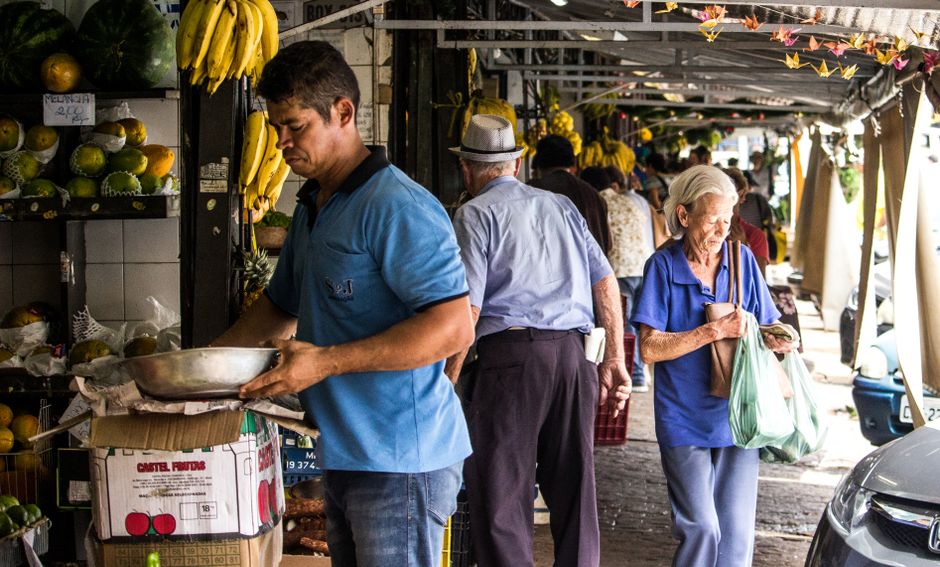
Salvadoran cuisine is where African, indigenous, and Portuguese traditions created something completely unique. You absolutely cannot understand the city's culture without eating your way through it.
Must-Eat Dishes and Where to Find Them
Acarajé is street food at its finest—deep-fried black-eyed pea dough stuffed with shrimp, cashews, and hot sauce. Watch for women in traditional white clothing selling these from beachside kiosks. They're not just food; they're cultural ambassadors. A single acarajé costs $2-4 USD and represents generations of Bahian culinary wisdom.
Moqueca is a coconut milk and dendê oil (red palm oil) fish stew that's absolutely divine. Every restaurant claims theirs is the "authentic" version—and they're all correct in their own way. The dish varies from family to family, which is precisely the point.
Skip the tourist-trap restaurants and head to local markets or family-run establishments in neighborhoods like Vitória or Federação. You'll eat better food for half the price. Most mains run $8-15 USD in authentic spots, compared to $25-40 at tourist-oriented places.
The Market Experience: Mercado Modelo
Mercado Modelo isn't just a market—it's a sensory explosion. Three floors of crafts, spices, fresh produce, and the energy of hundreds of locals doing their daily shopping. Ground floor has food stalls where you can grab fresh fruit juices, pastéis (fried pastries), and street snacks. Don't miss the açai bowls, which originated in Bahia and have become a global phenomenon. Local versions here ($3-5 USD) blow away the Instagram-fied versions you'll find elsewhere.
Historical Immersion: Walking Through Centuries
Salvador's historic center is a UNESCO World Heritage site, but unlike some heritage sites that feel frozen in time, this one pulses with life. People actually live and work in these colonial buildings.
Pelourinho's Real Story
Yes, Pelourinho is touristy. But understand its significance: this is where enslaved Africans were whipped and sold. The name itself—"pillory"—references the execution post. Today's colorful, cheerful neighborhood exists on top of that trauma. Many tour operators offer historically-informed walks that discuss this complexity rather than glossing over it. These tours ($15-25 USD for small groups) provide context that transforms your experience from simple sightseeing into genuine understanding.
Forte de Santo Antônio and Coastal Fortifications
Several 17th-century forts ring Salvador's coastline. These aren't just scenic photo spots—they tell the story of colonial power dynamics, slave trade, and military strategy. Forte de Santo Antônio da Barra, combined with a beach visit, gives you both history and relaxation in one location.
Art and Craftsmanship: Supporting Local Artists
Salvador's artist community is thriving. Street art decorates neighborhoods like Rio Vermelho and Saúde, and it's not the genteel kind you'll see in São Paulo. It's raw, political, and deeply connected to Afro-Brazilian identity.
Workshop Experiences
Several local artisans offer workshops where you can learn traditional crafts—pottery, beadwork inspired by African traditions, painting using Brazilian themes. These typically cost $30-50 USD for a 2-3 hour session and provide direct support to creators while giving you an unforgettable hands-on experience.
Practical Tips for Cultural Immersion
- Stay in the right neighborhood: Pelourinho is convenient but touristy. Rio Vermelho or Federação offer more authentic experiences with better food and lower prices.
- Learn basic Portuguese: Even simple phrases like "Oi, tudo bem?" (Hi, how are you?) and "Obrigado" (Thank you) dramatically change how locals interact with you.
- Visit during off-peak hours: Tourist sites are manageable before 10 AM or after 4 PM.
- Hire local guides: They're inexpensive ($25-40 USD per day) and provide context and access that solo exploration can't match.
- Embrace the pace: Salvador doesn't rush. Brazilians call this "mañana attitude"—embrace it rather than fighting it.
Final Thoughts: Why Salvador Belongs on Your 2026 Itinerary
Salvador isn't just a destination—it's an encounter with living history, with a culture that survived impossible circumstances and emerged stronger. When you experience capoeira, taste moqueca, listen to live music in a tiny bar, and have a conversation with someone whose ancestors were enslaved on these very streets, you'll understand something fundamental about Brazil that beaches and waterfalls can't teach you.
This city deserves your presence, your attention, and your respect. It will reward you with memories that standard tourism never creates.
Ready to book your Salvador experience? Start by researching flights to Salvador's International Airport (SSA), then commit to spending at least 4-5 days in the city. Anything less and you'll feel rushed. Have you experienced Salvador's culture, or are you planning your first visit? Share your thoughts in the comments below—we'd love to hear what draws you to this extraordinary Brazilian city.
FAQ
What are the most important cultural experiences to have when visiting Salvador, Brazil?
Salvador offers unmissable cultural experiences including visiting the historic Pelourinho district with its colorful colonial architecture, watching capoeira performances at cultural centers, and attending traditional Bahian music shows featuring samba and bossa nova. You should also explore the African heritage through museums and participate in local festivals that showcase the city's deep Afro-Brazilian roots and traditions.
Why is Salvador considered essential for understanding Brazilian culture?
Salvador is the birthplace of modern Brazilian culture, serving as the former capital of Brazil and the primary entry point for African slaves who profoundly influenced the nation's music, cuisine, religion, and art. The city's blend of Portuguese colonial heritage, African traditions, and indigenous influences creates a unique cultural melting pot that defines authentic Brazilian identity and is impossible to experience elsewhere.
What traditional practices and art forms should travelers not miss in Salvador?
Travelers should experience capoeira martial arts demonstrations, attend live percussion and samba music performances in local venues, and visit markets where traditional Bahian crafts are sold. Don't miss the opportunity to taste authentic Afro-Brazilian cuisine at street markets, watch artisans creating traditional crafts, and participate in local religious ceremonies that blend Catholicism with African spiritual practices.
How does Salvador's Pelourinho district represent the city's cultural significance?
Pelourinho is a UNESCO World Heritage site featuring beautifully preserved 17th and 18th-century colonial buildings painted in vibrant colors, where street performers, capoeira artists, and local musicians bring history to life daily. This neighborhood is the cultural heart of Salvador, housing museums, art galleries, traditional restaurants, and serving as the epicenter of Afro-Brazilian heritage and daily life.
What role do festivals and celebrations play in experiencing Salvador's culture?
Salvador's festivals, particularly Carnival and religious celebrations like Festa de Iemanjá, showcase the city's living culture through elaborate parades, traditional music, dance, and spiritual rituals that blend African, Portuguese, and indigenous traditions. These events offer travelers an immersive experience of authentic Bahian culture, allowing them to witness thousands of locals participating in centuries-old traditions that continue to define the community's identity.


Comments
Post a Comment