6 Brazilian National Parks That Deserve Your 2026 Adventure Itinerary
If you're planning a trip to Brazil this year and thinking about spending all your time lounging on pristine beaches or exploring Rio's iconic landmarks, hold up. Some of the most jaw-dropping experiences this country has to offer aren't found in crowded tourist hotspots—they're tucked away in Brazil's incredible national parks. We're talking dramatic canyons, glowing dunes, pristine rainforest, and wildlife encounters that'll make your Instagram followers seriously jealous.
The good news? 2026 is the perfect time to venture beyond the typical tourist circuit. These parks have ramped up infrastructure, added new guided experiences, and honestly, they're way less crowded than they were a few years ago. Whether you're an adrenaline junkie, a nature photographer, or someone who just wants to feel small in front of Mother Nature, there's a Brazilian national park calling your name. Let's dive into six incredible destinations that should absolutely be on your radar.
1. Lençóis Maranhenses: The Otherworldly Sand Dunes and Lagoons
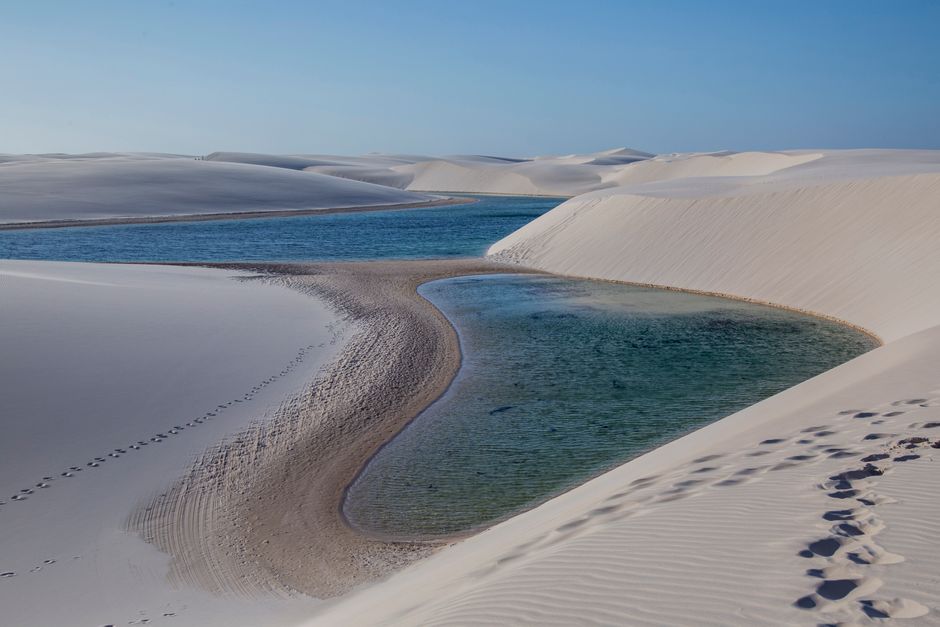
Picture this: endless white sand dunes separated by turquoise and emerald lagoons that look like they belong on another planet. Welcome to Lençóis Maranhenses, located in northeastern Brazil. The park covers about 380 square miles of pure magic, and honestly, no photograph does it justice until you're standing there watching the light hit the water at golden hour.
The best part about visiting Lençóis is that you don't need to be an ultra-fit adventure seeker to experience it. Most visitors book jeep tours or, for the more ambitious travelers, hire guides for sandboarding down the massive dunes and swimming in the crystal-clear lagoons. The park has a distinct dry season (September to May) when the lagoons are at their most vibrant—if you visit during rainy season, many lagoons dry up completely.
Pro tip: Stay in the nearby town of Barreirinhas and book your tours through local operators. The jeito brasileiro (Brazilian way) of doing things means flexibility and personalization in your experience—guides will adjust routes based on weather, your fitness level, and what you want to see most.
What to Expect and Plan For
- Best months: September to May for full lagoons
- Physical demand: Moderate (lots of walking and climbing dunes)
- Tour options: Day trips or multi-day camping experiences
- Budget: Tours typically $40-80 USD per person for day trips
2. Chapada Diamantina: Hidden Waterfalls and Hiking Paradise

Buried in the heart of Bahia, Chapada Diamantina is what happens when you combine a mountain range, tropical rainforest, and about a thousand hidden waterfalls. This park is seriously underrated among international travelers, which means you'll have trails mostly to yourself—a rare thing in popular Brazilian destinations.
The main attractions include the stunning Cachoeira da Fumaça (Smoke Waterfall), Poço Azul (Blue Pool), and countless trekking routes through Atlantic Forest. The landscape is so diverse that you might feel like you're exploring three different countries in one day. You'll trek through misty cloud forests, swim in emerald pools, and stand under massive waterfalls that seem to defy gravity.
Chapada Diamantina is adventure-seeker territory. Most activities involve hiking, and some trails require a decent level of fitness. But the reward? Standing under a 1,000-foot waterfall and feeling completely isolated from the rest of the world. That's priceless.
Hiking Highlights You Can't Miss
- Cachoeira da Fumaça Trail: 4-5 hours, moderate difficulty, incredible views
- Poço Azul and Poço Encantado: 3-hour trail to two magical swimming holes
- Vale do Pati Trek: 3-day expedition through breathtaking mountain valleys
- Local guides available through hotels in Lençóis (the main town)
3. Pantanal: The Wetland Wildlife Experience Beyond the Amazon
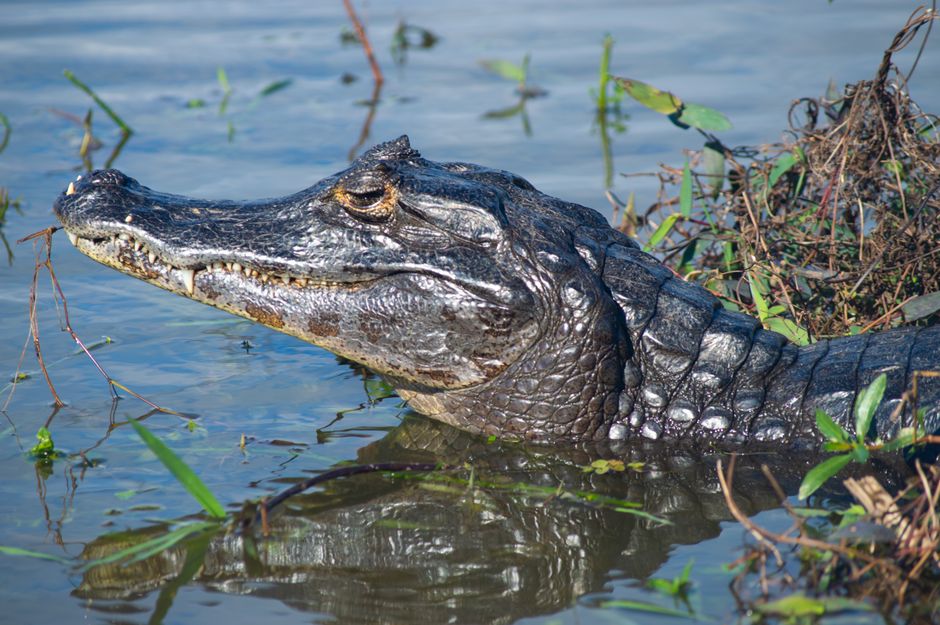
Everyone talks about the Amazon, but let's be real—the Pantanal is where you'll actually see wildlife. This massive wetland spans three countries and is home to more predators than any other wildlife reserve in South America. We're talking jaguars, caimans, capybaras, anacondas, and over 600 bird species.
Unlike the dense Amazon rainforest where spotting animals requires serious patience, the Pantanal's more open landscape means wildlife is literally everywhere. You'll see capybaras chilling on riverbanks like it's no big deal, caimans sunbathing on sandbanks, and if you're lucky, jaguars prowling through the wetlands.
The park is best visited during dry season (July to September) when animals congregate around remaining water sources, making spotting easier. Most visitors book lodge packages that include meals, accommodation, and daily guided boat tours and walks. It's touristy in the best way—comfortable but still totally immersive.
Wildlife and Experience Expectations
- Best season: July to September (dry season)
- Primary activities: Boat tours, night safaris, walking trails
- Accommodation: Mid-range to luxury lodges (budget $100-300+ per night)
- Wildlife probability: Very high for caiman, capybara, bird sightings; jaguar less common but possible
4. Iguazu Falls National Park: Nature's Most Dramatic Showdown
Okay, Iguazu isn't exactly off-the-beaten-path—it's one of the New Seven Wonders of Nature, after all. But here's the thing: most people visit for a few hours and bounce. If you actually spend time in Iguazu National Park, exploring beyond the main waterfall viewpoints, you'll understand why this place deserves its legendary status.
The Brazilian side gives you the sweeping, panoramic views; the Argentine side (across the border) gets you closer and wetter. The park encompasses 67,000 acres of pristine Atlantic Forest where you might spot toucans, coatis, and howler monkeys alongside the thundering waterfalls. The combination of geological drama and jungle immersion is honestly unmatched.
Plan at least 2-3 days to do it right. Hit the main viewing platforms, but also take the boat ride under the falls (bring a dry bag for your phone), explore the surrounding trails, and catch the falls at different times of day—morning light is magical, but sunset is unforgettable.
Making the Most of Your Visit
- Duration: 2-3 days minimum
- Must-do experiences: Brazilian side platform walks, boat ride under falls, sunset viewing
- Wildlife spotting: Early morning walks have best bird and animal sightings
- Border crossing: You can visit both Brazilian and Argentine sides (bring your passport)
5. Serra da Capivara: Ancient Rock Art and Pre-Columbian Culture
This northeastern park is like stepping into Brazil's prehistoric past. Serra da Capivara contains some of the oldest rock paintings in the Americas—dating back over 25,000 years—plus stunning canyon landscapes that rivals any southwestern U.S. national park.
What makes this park special isn't just the archaeological significance; it's the cultural immersion. Local guides (many from nearby communities) share stories about the region's indigenous history with genuine passion. You're not just looking at ancient art; you're learning how people survived in this landscape millennia ago.
The park is still under-touristed, which means guided experiences feel personal and less like you're in a tour group factory. The landscape is dramatic—wind-carved canyons, ancient petroglyphs, and a sense of history that makes your modern problems feel pretty small.
What to Explore
- Rock art sites: 30+ locations with prehistoric paintings
- Guided tours: Usually 3-4 hours, moderate hiking difficulty
- Best season: September to March (cooler, less rain)
- Nearby accommodation: Town of São Raimundo Nonato has budget and mid-range options
6. Aparados da Serra: Dramatic Canyons and Cloud Forests
Located on the border between Rio Grande do Sul and Santa Catarina in southern Brazil, Aparados da Serra features some of the most dramatic canyon scenery in the country. We're talking sheer cliff faces, mist-shrouded valleys, and dense cloud forests that feel primordial.
The park is perfect for hikers with decent fitness levels who want a more challenging adventure. The main trail descends 3,000 feet into Itaimbezinho Canyon, where you'll find yourself surrounded by towering rock walls and waterfalls. The climate is cooler than northern Brazil, so you won't be melting in humidity—it's refreshing and energizing.
This is serious hiking territory. Trails can be slippery, especially during rain, but the payoff is wandering through ancient forest with barely another person in sight. The landscape looks almost European—jagged peaks, dense vegetation, mysterious fog rolling through valleys.
Hiking and Logistics
- Main trail: Itaimbezinho Canyon descent (6-8 hours)
- Difficulty: Moderate to challenging
- Best season: March to May, September to November (stable weather)
- Starting point: Town of Cambará do Sul (about 3 hours from Porto Alegre)
Planning Your National Park Adventure
Here's what you need to know about visiting Brazilian national parks in 2026: infrastructure has genuinely improved, most parks now have English-speaking guides available, and the tourist infrastructure in nearby towns ranges from budget hostels to upscale eco-lodges.
Seasonal timing matters. Northeast parks (Lençóis, Chapada, Serra da Capivara) are best in dry season. The Pantanal depends on wildlife concentration during dry months. Iguazu is fantastic year-round but less crowded in shoulder seasons. Southern parks need stable weather, so avoid the coldest winter months.
Budget reality: Brazilian national parks are genuinely affordable compared to equivalent experiences in North America or Europe. Guided tours typically run $30-100 per person, accommodation near parks ranges from $25-150 per night depending on comfort level, and internal travel is cheap thanks to extensive bus networks.
Physical preparation: Honestly assess your fitness level. Some parks require serious hiking; others are accessible to anyone. There's zero shame in choosing experiences that match your ability—Brazilian guides are skilled at customizing adventures.
Getting There: Transportation Reality
Most national parks require getting to regional towns first, then arranging local transportation. Flying into major hubs (São Paulo, Rio, Salvador, or Porto Alegre) is usually cheapest, then you'll take buses or regional flights to park gateway towns. It's not complicated, just requires a bit more planning than typical tourist circuits.
The Bottom Line
Brazil's national parks offer something genuinely rare: jaw-dropping natural scenery, wildlife encounters, cultural depth, and the space to actually feel disconnected from the rest of the world. Whether you're here for the adrenaline rush, the photography opportunities, or just to remember what it feels like to be genuinely small in front of nature, these six parks will deliver.
2026 is the year to stop playing it safe with beach resort itineraries. Get off the beaten path, hire local guides, and let these landscapes remind you why you wanted to travel in the first place.
Ready to book your national park adventure? Start researching your park, check seasonal weather patterns, and book accommodation early if you're traveling during peak months. Your future self will thank you for trading a predictable vacation for an unforgettable experience. Drop a comment below and let us know which park is calling your name—we'd love to hear about your adventure when you return!
FAQ
What are some of the best Brazilian national parks worth visiting in 2026?
Brazil offers incredible biodiversity across its national parks, with six standout destinations that deserve a spot on your 2026 itinerary. These include the Amazon rainforest parks, Iguazu Falls, Lençóis Maranhenses with its stunning white sand dunes, Pantanal for wildlife viewing, Chapada Diamantina for hiking adventures, and Atlantic Forest reserves. Each park offers unique ecosystems and unforgettable experiences that showcase Brazil's natural wonders.
Which Brazilian national park is famous for its massive waterfalls?
Iguazu National Park is world-renowned for its breathtaking waterfalls, featuring 275 individual falls that cascade across the border between Brazil and Argentina. This UNESCO World Heritage site is considered one of the most spectacular waterfall systems on Earth and should definitely be included in your 2026 Brazilian adventure. The park offers multiple viewpoints and boat tours that bring you up close to the thundering waters.
What makes Lençóis Maranhenses National Park unique compared to other Brazilian parks?
Lençóis Maranhenses is famous for its otherworldly landscape of white sand dunes interspersed with crystal-clear freshwater lagoons that create a surreal, almost alien environment. Unlike typical rainforest parks, this unique ecosystem offers visitors the chance to swim in pristine blue lagoons surrounded by endless white sand dunes. It's a must-see destination for travelers seeking something truly different from the typical tropical experience.
Is Pantanal National Park good for wildlife observation during 2026?
Yes, Pantanal is one of the world's largest tropical wetland areas and offers exceptional wildlife viewing opportunities throughout the year. You can expect to see jaguars, caimans, capybaras, anacondas, and hundreds of bird species in their natural habitat, making it ideal for nature photographers and wildlife enthusiasts. The best visiting months are typically during the dry season when animals congregate around remaining water sources.
What outdoor activities can visitors enjoy in Chapada Diamantina National Park?
Chapada Diamantina is a hiker's paradise with numerous trails ranging from easy walks to challenging multi-day treks through canyons, waterfalls, and caves. Visitors can explore natural pools, descend into stunning valleys, and discover underground rivers while enjoying breathtaking mountain scenery. Rock climbing, rappelling, and canyoning are also popular activities that make this park perfect for adventure seekers planning their 2026 Brazilian itinerary.


Comments
Post a Comment