Why Eco-Tourism in the Pantanal Wetlands Beats Traditional Safari Experiences
Look, if you've been dreaming about Africa's sweeping savannas and packed safari tours, I get it. But here's what I've learned after years of tracking adventure seekers: the Pantanal wetlands in Brazil offer something that most traditional safari experiences simply can't match. We're talking about the world's largest tropical wetland, sprawling across Brazil, Bolivia, and Paraguay—and the vast majority of it remains blissfully uncrowded and genuinely wild.
The Pantanal isn't just another destination you tick off your bucket list. It's a completely different beast entirely—literally and figuratively. When you venture into these wetlands, you're stepping into an ecosystem so rich and biodiverse that it makes many African reserves look like nature's opening act. Want to know why this should be your next eco-tourism adventure? Let's dig in.
The Wildlife Density That Defies Expectations
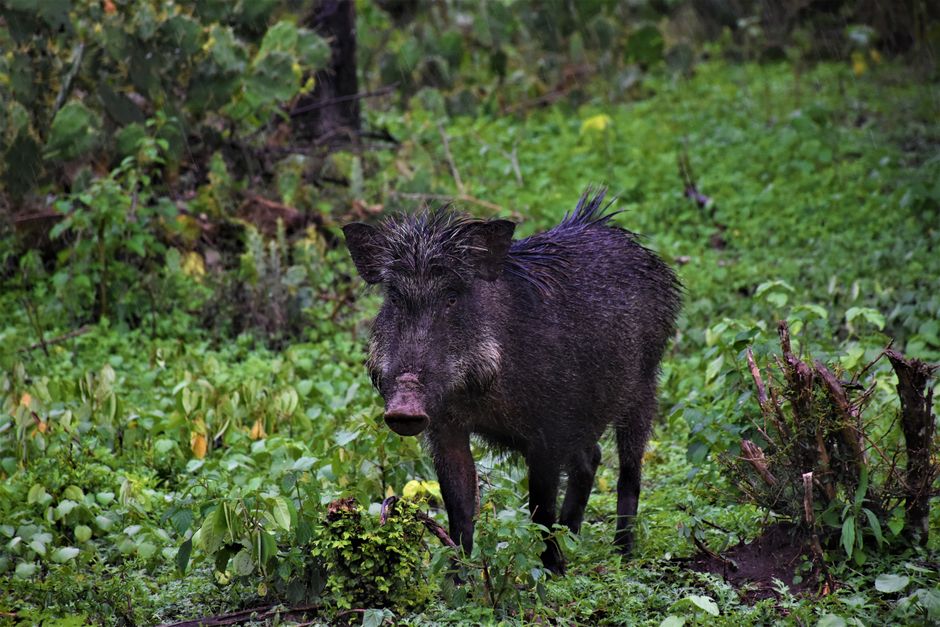
Here's the thing about the Pantanal that catches most first-time visitors completely off guard: the sheer concentration of wildlife is staggering. We're talking about a place where you'll see more jaguars in a week than most safari-goers spot in a lifetime. Not to mention caimans—seriously, there are caimans everywhere, floating like logs in water channels you'll navigate by boat.
Unlike African safaris where you're sometimes spending hours scanning the horizon hoping for a distant glimpse of something interesting, the Pantanal hands you wildlife encounters on a silver platter. Giant river otters, capybaras (the world's largest living rodents, by the way), anacondas, caimans, and the aforementioned jaguars roam these wetlands with a casualness that suggests they've never heard of human interference.
Jaguar Sightings: The Real Deal
Let's be real—jaguars are the rock stars of Latin American wildlife. If you go to the Pantanal during the dry season (typically June through September), your chances of spotting these magnificent cats increase dramatically. Many reputable lodges report jaguar sighting rates of 60-90% during peak season. Compare that to typical African safari success rates, and you'll quickly understand why eco-tourists are flocking to Brazil instead.
The Bird Watching Paradise Nobody's Talking About
If you're even remotely into ornithology—or just enjoy watching incredible birds—the Pantanal will absolutely blow your mind. Over 650 bird species have been documented here. That's more than the entire United States. During a single morning boat ride, you might spot hyacinth macaws (the world's largest flying parrots), jabiru storks, and dozens of other species that'll have your camera trigger finger working overtime.
Sustainable Tourism That Actually Means Something

Here's where the Pantanal really distinguishes itself from the eco-tourism crowd. Unlike some destinations where "eco-friendly" is just marketing speak, the Pantanal's tourism model is genuinely built around conservation principles. Most lodges operate under strict environmental guidelines, and many actively contribute to jaguar and wetland preservation research.
When you book an eco-tourism experience in the Pantanal, your money directly supports local communities and conservation efforts. You're not just observing nature—you're participating in its protection. The "jeito brasileiro" (the Brazilian way) of doing tourism here emphasizes long-term sustainability over short-term profits. Many lodge owners have chosen to limit visitor numbers specifically to preserve the ecosystem.
Community-Based Tourism That Matters
Several lodges operate in partnership with indigenous communities and local families who've lived in the Pantanal for generations. These aren't extractive operations—they're collaborative efforts where locals guide you, share their knowledge, and directly benefit from your visit. You'll learn about Pantanal ecology from people who've lived it, not from a script memorized during training week.
Conservation Education Woven Into Every Experience
Your guides aren't just pointing out animals for Instagram photos. They're explaining the delicate balance of the ecosystem, discussing the impacts of climate change on water cycles, and sharing real conservation challenges the wetland faces. It's cultural immersion meets environmental education—the kind of experience that actually changes how you think about travel.
Accessibility Without Overcrowding

One of the most refreshing aspects of Pantanal eco-tourism is that you don't need to be a hardcore adventurer to experience it. Unlike some rainforest expeditions requiring serious fitness levels, the Pantanal offers multiple ways to explore depending on your comfort zone. Boat rides, guided walks, horseback riding, and even canoe expeditions are available at various difficulty levels.
And here's the bonus: because the Pantanal is enormous (roughly 70,000 square miles), even popular lodges feel remote and intimate. You won't be sharing your jaguar sighting with 50 other tourists in matching khaki vests. The sense of discovery and genuine wilderness is refreshingly intact.
Multiple Seasons, Multiple Experiences
The Pantanal's appeal shifts throughout the year, offering completely different experiences depending when you visit. During the dry season (June-September), animals concentrate around water sources, making sightings easier and more predictable. The wet season (November-March) transforms the landscape into a flooded paradise where the flooding brings different wildlife and creates spectacularly moody landscapes.
The Practicalities: How to Make Your Pantanal Trip Happen
Getting to the Pantanal is easier than you might think. Most visitors fly into Cuiabá or Campo Grande (both with direct international flights from major US cities), then take a short domestic flight or drive to their lodge. The main entry points are the North Pantanal (around Poconé) and the South Pantanal (around Miranda). Each offers distinct advantages, so choose based on what wildlife encounters matter most to you.
Budget Expectations
Yes, Pantanal eco-tourism costs more than some other Brazilian destinations. But here's the context: you're paying for genuine conservation, limited group sizes, experienced naturalist guides, and wildlife sightings that are genuinely more frequent than comparable experiences elsewhere. A week-long lodge package typically runs $2,000-$4,000 per person, including meals, guides, and activities. That's competitive with quality African safari packages and significantly more affordable than luxury options in other tropical destinations.
Best Time to Visit
June through September is peak season for jaguar sightings and overall wildlife viewing. November through March brings the wet season—fewer tourists, different birds, and a completely transformed landscape. Shoulder seasons (April-May and October) offer great value and reasonable wildlife viewing without peak season crowds.
The Cultural Layer You Won't Find Elsewhere
Beyond the wildlife, the Pantanal gives you access to genuinely unique Brazilian culture. You'll interact with pantaneiros—traditional wetland cowboys who've developed a distinct culture perfectly adapted to this environment. Unlike favela tours in Rio, which can feel problematic depending on execution, immersive experiences in the Pantanal feel authentic and mutually beneficial.
Many lodges offer opportunities to learn about traditional fishing methods, local food preparations, and the history of how people have thrived in this challenging environment for centuries. It's not staged for tourists—it's just how life works in the Pantanal.
The Bottom Line: Why This Deserves Your Adventure Budget
The Pantanal represents something increasingly rare in global tourism: a genuinely wild place that remains accessible, sustainable, and manageable for visitors while still delivering world-class natural experiences. You get wildlife encounters that rival Africa, sustainable tourism practices that actually work, accessibility that doesn't require extreme athleticism, and cultural experiences that feel authentic rather than performative.
If you're deciding between a traditional African safari and eco-tourism in Brazil, consider this: the Pantanal offers higher wildlife density, smaller group sizes, stronger conservation impact, and the bonus of exploring one of Earth's most unique ecosystems. Plus, you get to say you experienced the world's largest tropical wetland, which definitely trumps standard safari conversation at dinner parties.
The Pantanal isn't just another eco-tourism destination. It's a legitimate alternative that—for many travelers—actually surpasses the traditional safari experience. And in 2026, when sustainable travel matters more than ever, that distinction feels genuinely important.
Ready to Plan Your Pantanal Adventure?
Start by researching lodges in your preferred Pantanal region (North or South), check current jaguar sighting reports, and book for your ideal season. Reach out to lodges directly—they'll help you understand what to expect and what to pack. Most importantly, go prepared to be amazed by a wild corner of Brazil that few travelers have truly experienced. Your future self will thank you for choosing this path less traveled.
FAQ
What makes eco-tourism destinations in the Pantanal wetlands unique compared to traditional safari experiences?
The Pantanal wetlands offer immersive eco-tourism experiences with unparalleled biodiversity, featuring over 4,600 animal species in their natural habitat without the crowded, commercialized atmosphere of traditional safaris. Visitors can access pristine wetlands through sustainable practices that actively protect the ecosystem, providing authentic wildlife encounters while supporting conservation efforts directly. Unlike typical safari destinations, the Pantanal's diverse habitats allow travelers to experience jaguars, giant anacondas, and caimans in genuinely untouched environments with minimal human interference.
How do eco-tourism destinations in the Pantanal wetlands support conservation efforts?
Eco-tourism operations in the Pantanal wetlands generate revenue that directly funds wildlife protection and habitat preservation initiatives that might otherwise lack financial support. Local communities benefit from sustainable tourism practices, creating economic incentives for them to protect rather than exploit natural resources. Many eco-lodges participate in research programs and environmental monitoring, contributing valuable data that helps scientists understand and preserve this critical ecosystem for future generations.
What wildlife experiences can tourists expect at Pantanal eco-tourism destinations?
The Pantanal wetlands provide opportunities to observe iconic species like jaguars, giant otters, capybaras, and caimans in their natural setting with higher encounter rates than most traditional safari destinations. Birdwatchers will find over 650 bird species, making it one of the world's premier ornithological destinations accessible through eco-friendly excursions. The seasonal flooding patterns create unique viewing opportunities throughout the year, with different wildlife concentrations in dry and wet seasons that offer varied and extraordinary nature experiences.
How do eco-lodges in the Pantanal wetlands differ from traditional safari accommodations?
Pantanal eco-lodges prioritize minimal environmental impact through sustainable building practices, renewable energy use, and waste management systems that traditional safari resorts often neglect. These accommodations offer intimate, personalized experiences with small group sizes and expert naturalist guides, contrasting sharply with the large-scale, mass-tourism approach of conventional safari operations. Guests stay immersed in the wetland environment while supporting local economies directly, creating meaningful cultural exchanges that enhance the overall eco-tourism experience in the Pantanal.
Why should travelers choose Pantanal eco-tourism destinations over other popular safari locations?
The Pantanal wetlands deliver superior wildlife viewing with lower tourist density, less environmental degradation, and authentic conservation-focused experiences that traditional safari destinations struggle to match. Eco-tourism in this region offers exceptional value, combining world-class wildlife encounters with meaningful environmental stewardship and genuine community benefits that align with modern travelers' values. The Pantanal's accessibility, diverse ecosystems, and commitment to sustainable practices make it an increasingly attractive choice for conscious travelers seeking transformative nature experiences without compromising ecological integrity.


Comments
Post a Comment