Why Indigenous Culture Experiences Transform Central Brazil Travel
You've probably scrolled past countless posts about Rio's beaches and São Paulo's nightlife, but here's the thing that most travel blogs won't tell you: the real magic of Brazil happens in central regions where indigenous communities have preserved traditions for centuries. When you step into an indigenous culture experience in central Brazil, you're not just collecting another passport stamp—you're connecting with one of the world's oldest continuous civilizations, and honestly, it changes how you see travel entirely.
Central Brazil, particularly the Mato Grosso do Sul, Goiás, and parts of Tocantins, hosts some of Brazil's most significant indigenous populations. Unlike the Amazon's more remote tribes, these communities have developed sustainable tourism models that welcome visitors while maintaining cultural integrity. This isn't about performative culture on display; it's about genuine exchange, learning, and understanding a worldview radically different from what most of us experience in our daily lives.
The Difference Between Indigenous Tourism and Cultural Theater
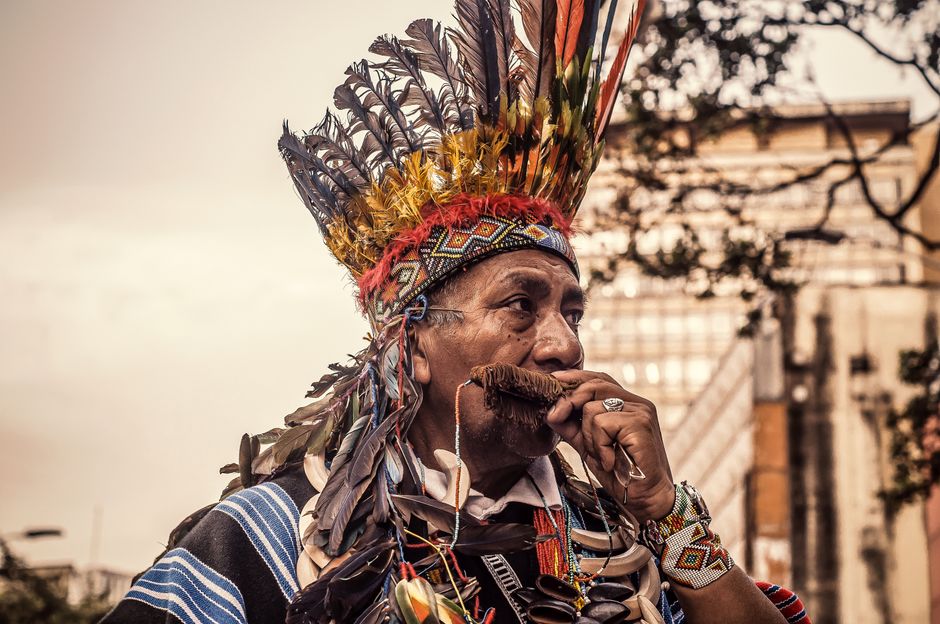
Let's be honest—a lot of "cultural experiences" are basically theater shows designed for tourists who want the Instagram moment without the actual understanding. You get pretty costumes, a staged dance, some repetitive music, and boom: you've "experienced indigenous culture" in 45 minutes.
Indigenous communities in central Brazil have learned to distinguish themselves from this approach. The best experiences aren't performing for you; they're inviting you into their world. That distinction matters enormously.
What Real Immersion Actually Looks Like
When you participate in genuine indigenous culture experiences, you're doing things like:
- Learning traditional crafts directly from artisans—not watching someone pretend to make pottery, but actually getting your hands in clay under guidance, understanding the spiritual significance of each pattern, hearing stories tied to each design
- Sharing meals prepared using ancestral methods—tasting indigenous staples like cassava bread, açai in its original form (not blended into those sweet bowls), freshwater fish caught using traditional techniques, and learning why certain foods matter to seasonal cycles and spiritual practices
- Participating in ceremonies when invited—and this is crucial: you're invited based on respect for the community's protocols, not just because you paid admission. Some ceremonies remain sacred and closed to outsiders, and that's the entire point
- Engaging in actual conversations about worldviews—discussing land stewardship, sustainable agriculture, the jeito brasileiro of living in harmony with nature, and how indigenous philosophy addresses challenges that Western civilization keeps creating
The difference? You leave understanding something, not just feeling like you've been somewhere exotic.
Where to Experience Indigenous Culture in Central Brazil

Mato Grosso do Sul: The Guaraní and Kaiowá Territories
This state is home to the largest indigenous population in Brazil, with the Guaraní and Kaiowá peoples maintaining strong cultural traditions despite historical pressures. The Guaraní have this fascinating concept about being "people of the word"—their entire cultural memory lives in oral tradition, stories, and spiritual knowledge passed through generations.
Several communities near Dourados and along the Paraná River valley have opened carefully managed tourism initiatives. You can spend time learning about their agricultural practices, which involve polyculture systems that outsmart monoculture agriculture in sustainability. They cultivate yerba mate, cassava, corn, and beans in ways that actually regenerate soil rather than deplete it.
The Guaraní spiritual ceremonies, when you're respectfully invited to observe, reveal a cosmology where humans aren't separate from nature—they're participants in an ongoing conversation with the land, animals, and spiritual forces. This isn't mystical nonsense; it's a coherent philosophical system that's produced societies living sustainably for millennia.
Goiás: The Karajá and Xavante Communities
The Karajá people, centered around the Araguaia River region, are known for their exceptional artistry. Their wooden figurines, particularly the Iña dolls, represent a sophisticated artistic tradition with deep spiritual meaning. These aren't souvenirs; they're expressions of cosmological understanding. When you commission a piece or learn carving techniques, you're engaging with art as spiritual practice.
The Xavante, who inhabit territories in Goiás and Mato Grosso, maintain one of the strongest warrior traditions in Brazil. Their coming-of-age ceremonies, agricultural systems, and hunting practices represent a complete cultural system that's radically different from Western approaches to community, family structure, and individual achievement. They're also known for being incredibly welcoming once trust is established, and their sense of humor and jogo bonito approach to life is infectious.
Tocantins: Off-the-Beaten-Path Indigenous Encounters
Tocantins remains less touristy than its southern neighbors, which means indigenous communities here have had more control over how they engage with outside visitors. The Krahô, Apinajé, and Xerente peoples maintain strong traditions and have established tourism initiatives that genuinely benefit community development.
Visit during festival season—particularly June's Festa de São João celebrates indigenous and regional traditions together—and you'll witness how indigenous culture exists vibrantly within contemporary Brazilian life, not as a historical artifact but as a living, evolving reality.
What These Experiences Actually Teach You

Sustainability Isn't a Modern Invention
Indigenous communities didn't invent terms like "sustainable development" or "carbon footprint," but they've practiced genuine sustainability for millennia. Spending time learning their agricultural techniques, hunting ethics, and resource management reveals that the "green living" movement is basically catching up to what indigenous peoples figured out centuries ago. It's humbling and also slightly infuriating when you realize how much we've forgotten.
Community Functions Differently
Western individualism isn't the only way to organize human life. Indigenous cultures emphasize collective decision-making, shared resources, and interconnected responsibility. You'll notice this in how communities handle disputes, make decisions about land use, and distribute goods. It challenges you to think about what you've accepted as "normal" about competition, property, and personal achievement.
Spirituality Integrates with Daily Life
There's no separation between "spiritual practice" and "everyday life" in indigenous worldviews. A hunting expedition is a spiritual act. Planting crops is a ceremony. Gathering water involves respect for the spirit of the water. This integration creates a fundamentally different relationship with the world than most Westerners experience, where spirituality gets compartmentalized into designated times and spaces.
Practical Planning for Indigenous Culture Experiences
Work with Reputable Tour Operators
Not all indigenous tourism is created equal. Look for tour operators who partner directly with communities, where profits go directly to families rather than through middlemen. Organizations like FUNAI (Brazil's National Indigenous Foundation) can provide information about legitimate community-based tourism initiatives. Research whether the operator has ongoing relationships with communities or is just extracting cultural content for quick profit.
Respect These Non-Negotiables
- Ask before photographing people, ceremonies, or sacred sites
- Understand that some experiences are restricted to community members—this isn't discrimination, it's cultural sovereignty
- Arrive with genuine curiosity rather than assumptions based on documentaries or other media
- Listen more than you talk, especially early in your visit
- Avoid treating indigenous people as educational resources on call for your enlightenment
Budget and Timing
Authentic indigenous experiences typically cost between $150-$400 per day depending on what's included. This isn't cheap, but it ensures quality and direct community benefit. Visit during shoulder seasons (April-May or September-October) when you'll encounter fewer tourists and communities can focus on genuine interaction rather than processing groups.
Why This Matters for Your Travel Perspective
Here's what happens when you engage with indigenous culture in central Brazil: you stop seeing travel as consumption and start seeing it as conversation. You realize that places aren't just beautiful landscapes waiting for you to photograph them—they're territories with histories, relationships, and ongoing stories that predate and will postdate your visit.
You also confront uncomfortable truths about history, land rights, and ongoing inequality. Indigenous communities in central Brazil continue fighting for land recognition and protection against development that threatens their territories. When you visit and learn, you're bearing witness. That matters.
Most importantly, you return home with a genuinely expanded understanding of what human community, sustainability, and purposeful living can look like. You can't unsee that, and it changes how you navigate your own life.
The Bottom Line
Central Brazil's indigenous culture experiences aren't the easiest travel choice—they require research, humility, and genuine openness to having your assumptions challenged. But that's exactly why they're worth doing. In a world of increasingly homogenized tourism experiences, genuine cultural exchange in central Brazil remains transformative, complicated, and absolutely real. This is where travel stops being about checking boxes and starts being about actual human connection.
Ready to experience indigenous Brazil authentically? Start by researching community-based tourism initiatives directly, reach out to legitimate local operators who prioritize community partnership, and approach these experiences with genuine respect for the knowledge and traditions you're privileged to encounter. Your perspective—and theirs—might just change.
FAQ
What makes indigenous culture experiences in Central Brazil unique for travelers?
Indigenous culture experiences in Central Brazil offer authentic encounters with ancient traditions, spiritual practices, and sustainable lifestyles that have thrived for centuries. These experiences provide travelers with deep insights into indigenous cosmology, craftsmanship, and connection to the Amazon rainforest, creating transformative moments that challenge Western perspectives on living in harmony with nature.
Which indigenous groups in Central Brazil welcome cultural tourism experiences?
Several indigenous groups in Central Brazil, including the Xingu peoples, Kayapo, and various Mato Grosso tribes, have opened cultural exchange programs for respectful travelers. These communities offer guided tours, traditional ceremonies, and workshops where visitors can learn about their history, crafts, and environmental stewardship while supporting local economies.
How do indigenous culture experiences transform travelers' perspectives on sustainability?
Indigenous culture experiences in Central Brazil demonstrate practical sustainable living practices that have maintained ecological balance for thousands of years. Travelers witness firsthand how indigenous communities use renewable resources, practice sustainable agriculture, and maintain biodiversity, inspiring many to adopt more environmentally conscious lifestyles after returning home.
What activities are typically included in indigenous culture experiences in Central Brazil?
Indigenous culture experiences in Central Brazil commonly include learning traditional crafts like basket weaving and pottery, participating in ritual ceremonies, exploring medicinal plant knowledge, tasting traditional foods, and hearing oral histories from community elders. Many programs also feature guided forest walks where indigenous guides share ecological wisdom and point out sacred sites within the landscape.
How can travelers responsibly engage with indigenous culture experiences in Central Brazil?
Responsible participation in indigenous culture experiences involves booking through community-operated tourism initiatives that ensure income directly benefits indigenous families and supports cultural preservation. Travelers should approach these experiences with respect for sacred practices, follow community guidelines strictly, learn about indigenous issues beforehand, and avoid treating cultural experiences as mere entertainment or photo opportunities.


Comments
Post a Comment