6 Mistakes You're Making When Hunting Brazil's Best Coffee Plantations
So you've booked your flight to Brazil, and somewhere between planning your beach days in Rio and your Carnival costumes, you've decided that visiting a coffee plantation sounds pretty amazing. I get it—there's something romantic about walking through endless rows of coffee plants, learning how your morning brew becomes that perfect cup of espresso, and tasting freshly roasted beans in the place where it all happens. But here's the thing: most travelers are making some pretty common mistakes when it comes to finding and visiting Brazil's best coffee plantations, and I'm here to help you avoid them.
Brazil produces about one-third of the world's coffee, and the quality is absolutely world-class. The problem isn't finding plantations—it's finding the right ones that actually deliver an authentic experience worth your time and money. Let me break down the mistakes I see travelers making again and again, so your coffee adventure doesn't end up being just another touristy photo op.
Mistake #1: Thinking All Coffee Plantations Are Created Equal

Not all coffee plantations in Brazil offer the same experience, and this is probably the biggest misconception travelers have. There's a massive difference between a massive industrial operation where you're herded through with fifty other tourists and a smaller, family-owned fazenda where you actually get to understand the coffee-making process.
The sprawling plantations in São Paulo state that focus on quantity? Sure, they're impressive in scale, but you're basically getting a factory tour with a coffee shop attached. Meanwhile, smaller estates in Minas Gerais or São Paulo's interior often provide hands-on experiences where you can actually pick beans, learn about different roasting techniques, and taste coffees at various stages of processing. The jeito brasileiro—the Brazilian way—of hospitality really shines at these family operations.
Where to Look for Authentic Experiences
- Minas Gerais – The heart of specialty coffee in Brazil. Towns like Araxá and Patrocínio have gorgeous mountain plantations with incredible views
- São Paulo's Interior – Around Ribeirão Preto and Araraquara, you'll find both historic and modern fazendas
- Espírito Santo – Often overlooked, but produces exceptional Arabica coffee with fewer tourists crowding the estates
Mistake #2: Visiting During the Wrong Season

Coffee harvesting in Brazil happens roughly between May and September, with the peak season running June through August. If you show up in December expecting to see harvesting happening, you're going to be disappointed. The plants are flowering or resting, and the whole plantation has a completely different vibe.
Here's what most tourists don't realize: visiting outside harvest season isn't necessarily bad—it's just different. You'll see the agricultural cycle, learn about maintenance and pruning, and honestly, you might get a more intimate tour because there aren't as many seasonal workers around. But if your heart is set on picking coffee yourself and experiencing the energy of harvest time, you absolutely need to plan for May through September, with June and July being prime time.
The Best Times for Different Experiences
- June–August: Peak harvest season, most interactive, busier tours
- May & September: Beginning and end of harvest, fewer crowds, still great experiences
- December–March: Growing season, quieter, focus on roasting and processing rather than picking
Mistake #3: Not Booking in Advance or Through Reputable Operators
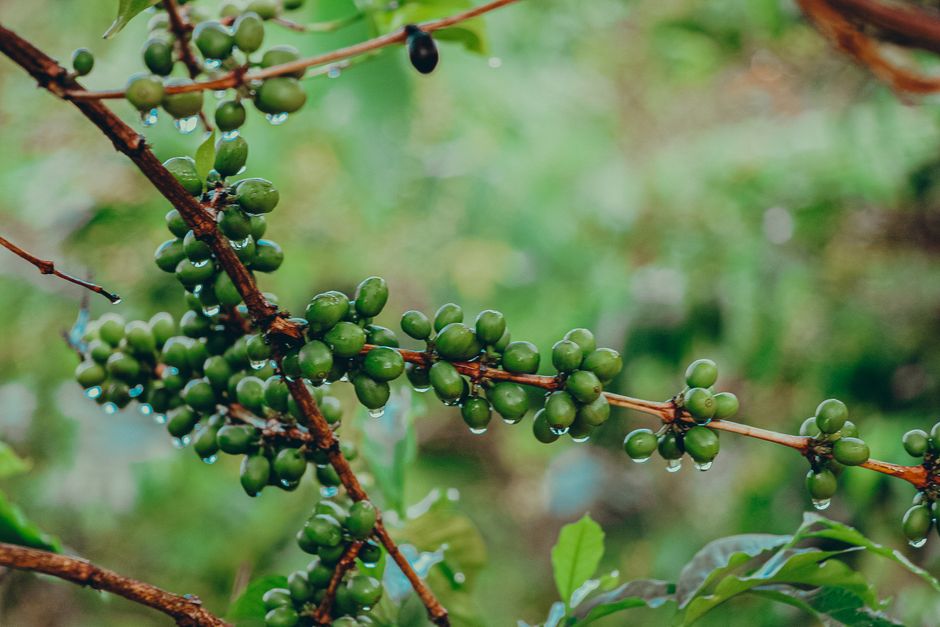
Walking up to a random plantation without a reservation? That's how you end up turned away or stuck with a mediocre group tour led by someone who doesn't actually speak English well and is more interested in selling you overpriced coffee than teaching you anything meaningful.
Reputable tour operators and plantation-owned experiences require advance bookings for good reasons—they're managing group sizes, coordinating harvest schedules, and ensuring you get a proper guide. Some of the best plantations don't even accept walk-ins. When you book through established operators or directly with the fazenda, you're also more likely to get smaller group sizes and better personalized attention.
How to Book Smart
- Book directly through plantation websites when possible—many have English versions
- Use reputable tour operators based in nearby towns (Araxá, Patrocínio, São Paulo)
- Check reviews on travel platforms, but read beyond the stars—look for specific details about what's actually included
- Confirm what's included: transportation, meal, tasting, picking experience, roasting demo, etc.
Mistake #4: Skipping the Actual Tasting and Processing Education
You know what separates a forgettable plantation visit from a genuinely enriching cultural immersion? Understanding the journey from bean to cup. Too many travelers focus purely on the picking experience and skip the roasting rooms, cupping sessions, and processing areas.
This is where the real knowledge lives. When you taste coffee at different roasting levels, learn about fermentation methods, and understand why single-origin beans taste completely different from blends, you're getting insight that will transform how you drink coffee forever. Plus, the roasting facilities are absolutely fascinating from an engineering perspective—the machinery, the precision, the craft of it all.
What to Make Sure Your Tour Includes
- A walk through the actual processing facility (wet or dry processing)
- Roasting room visit or demonstration
- Coffee tasting with explanations of flavor profiles and origins
- Some form of hands-on experience (picking, roasting, or cupping)
Mistake #5: Not Considering Transportation Costs and Logistics
This one catches a lot of travelers off-guard. Coffee plantations aren't typically located in city centers. They're out in the countryside, sometimes a few hours' drive from major towns. If you're thinking you'll just grab an Uber from São Paulo to a plantation, you're going to face some serious costs or find that neither Uber nor local cabs want to make that drive.
Many plantations include transportation in their tour packages, which is honestly the best route. If not, you're looking at renting a car (totally doable and actually quite scenic) or paying for a private driver. Prices vary widely—some all-inclusive plantation tours run anywhere from $80 to $200 USD per person depending on location and what's included. Factor this into your planning, especially if you're budget-conscious.
Mistake #6: Underestimating How Much Coffee You Actually Want to Buy
Okay, this is the fun mistake. You'll fall in love with the coffee you taste. You'll think, "I'm just going to get a small bag to remember this place." Then you'll taste five different roasts, and each one is absolutely delicious, and suddenly you're carrying back four kilos of premium Brazilian coffee in your luggage, and you're running the numbers on how much you just spent.
Here's my suggestion: leave some space in your luggage before you arrive. Seriously. Premium coffee from small fazendas can run $15–$25 USD per kilogram, which is more expensive than what you'll find at supermarkets, but it's genuinely worth it. The quality, the freshness, the story behind each bag—it matters. Just budget for it intentionally rather than impulse-buying and regretting it later. Also, ask about shipping options; many plantations will mail coffee directly to you if you're worried about luggage space.
Planning Your Perfect Coffee Plantation Adventure
The best coffee plantation experiences in Brazil happen when you go in prepared and with realistic expectations. This isn't just about Instagram photos (though yes, those are beautiful). It's about understanding a crucial part of Brazilian agriculture and culture, meeting the people who've dedicated their lives to growing exceptional coffee, and leaving with knowledge that'll make every morning cup more meaningful.
Start your planning by identifying which region calls to you—Minas Gerais for specialty coffee and gorgeous mountain scenery, São Paulo for accessible plantations near the city, or Espírito Santo if you want something less touristy. Then book in advance through reputable operators, aim for harvest season if possible, and make sure your tour includes actual education alongside the experience.
Trust me, when you're sipping a cup of coffee you literally picked yourself, roasted by someone who explained the exact chemistry of what makes it taste so good, with a view of the mountains where it all grew—that's when you'll understand why coffee isn't just Brazil's biggest export. It's part of the country's soul.
Ready to Brew Up Your Own Coffee Plantation Adventure?
Start researching plantations in Minas Gerais or São Paulo's interior right now, and aim for your visit between June and August for the full harvest experience. Share your coffee plantation stories with us—what surprised you most about the process? What did you learn that changed how you drink coffee? Drop your thoughts in the comments, and don't forget to pin this article for when you're planning your Brazil trip!
FAQ
Where are the best coffee plantations located in Brazil?
The best coffee plantations in Brazil are primarily located in the southeastern states, particularly Minas Gerais, São Paulo, and Espírito Santo. These regions have ideal climate conditions and altitude that produce some of the world's highest-quality arabica and robusta beans. Visiting these areas will give you access to authentic plantation tours and premium coffee experiences directly from the source.
What is the most common mistake tourists make when visiting Brazilian coffee plantations?
One of the biggest mistakes is visiting during the wrong season, as the coffee harvest typically occurs between May and September. Many tourists arrive outside this period and miss the opportunity to see the actual harvesting process and understand the full coffee production cycle. Planning your visit during the harvest season will provide a much more authentic and educational experience.
How should I prepare before visiting coffee plantations in Brazil?
You should research and book tours in advance through reputable plantation operators, as some of the best farms require prior reservations. Additionally, wear comfortable walking shoes and bring sun protection, as plantation tours involve extensive outdoor activities in sunny conditions. Learning basic Portuguese and studying coffee terminology beforehand will also enhance your understanding during the tour.
Why do many visitors miss out on finding genuine coffee plantations in Brazil?
Many tourists rely only on tourist agencies in major cities like Rio and São Paulo, which often offer overpriced or commercialized experiences. The best way to find authentic plantations is to travel directly to coffee-growing regions and connect with local guides who have genuine relationships with family-owned farms. Taking time to explore smaller towns in Minas Gerais will reward you with more authentic and memorable plantation experiences.
What should I look for when choosing between different coffee plantations to visit?
Look for plantations that offer hands-on experiences like picking coffee beans and learning traditional processing methods, rather than just scenic tours. Check if they provide tastings of their own coffee and educational sessions about different bean varieties and flavor profiles. Reading reviews from other coffee enthusiasts and asking local recommendations will help you identify plantations that offer genuine value and authentic coffee culture.


Comments
Post a Comment