Learn Brazilian Pottery: Hands-On Workshops That Teach Real Artisan Skills
There's something magical about getting your hands dirty—literally—while traveling. If you've ever imagined yourself learning pottery in Brazil, working alongside master artisans who've perfected their craft over decades, then you're about to discover one of the most rewarding cultural immersion experiences the country has to offer. Brazilian pottery and handicraft workshops aren't just tourist activities; they're genuine windows into the heart of Brazil's artistic soul, where tradition meets creativity in the most beautiful way possible.
Why Brazilian Pottery Workshops Stand Out from Generic Craft Classes
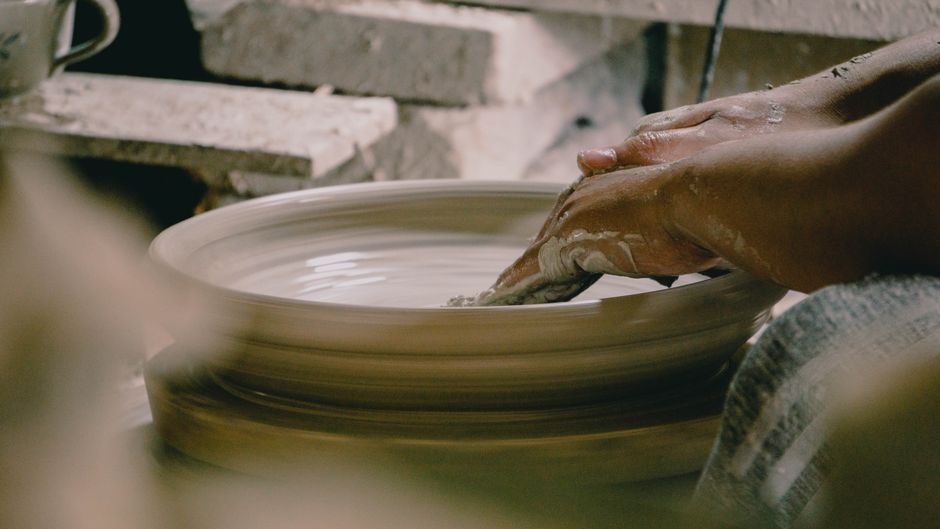
Let's be honest: you can take a pottery class anywhere. But Brazilian pottery workshops are different. They're rooted in centuries of tradition blending indigenous techniques, Portuguese colonial influence, and the unique regional styles that make each corner of Brazil distinctive. When you step into a workshop in Minas Gerais or the Northeast, you're not just learning to spin clay on a wheel—you're participating in living history.
The jeito brasileiro (the Brazilian way) of approaching craftsmanship emphasizes community, storytelling, and the personal connection between maker and learner. These aren't sterile studio spaces where an instructor demonstrates techniques from a distance. Instead, you'll find yourself sitting elbow-to-elbow with artisans who genuinely want to share their knowledge, often sharing stories about their families' craft heritage while you work.
The Cultural Significance Behind the Clay
Brazilian pottery traditions vary dramatically by region. In the Northeast, particularly in states like Ceará and Rio Grande do Norte, you'll encounter stunning geometric patterns and earth tones reflecting Afro-Brazilian and indigenous influences. The pottery from Minas Gerais tends toward more refined, decorative pieces influenced by colonial aesthetics. Meanwhile, in smaller communities throughout Brazil's interior, you'll find raw, functional pottery passed down through generations with minimal change—the real deal for authenticity seekers.
When you participate in these workshops, you're supporting artisans directly and helping preserve techniques that might otherwise fade as younger generations migrate to cities. This isn't just about buying a souvenir; it's cultural preservation through tourism done right.
Where to Find Authentic Pottery Workshops Across Brazil

Minas Gerais: The Heart of Brazilian Pottery Heritage
Minas Gerais deserves top billing for pottery experiences. The state is home to some of Brazil's most celebrated artisans, particularly in colonial towns like Ouro Preto and Tiradentes. These historic cities aren't just about beautiful architecture and gold-rush history—they're legitimate craft centers where you can spend half-days learning from master potters.
In smaller villages surrounding these towns, you'll find family-run operations where workshops happen in converted colonial homes or rustic studios. Many offer experiences ranging from two-hour introductions to multi-day intensive courses. The advantage? Lower prices than you'd expect, genuine relationships with instructors, and the chance to explore breathtaking colonial architecture during breaks.
Northeast Brazil: Where African and Indigenous Traditions Merge
The Northeast is where things get really interesting. States like Bahia, Ceará, and Pernambuco have pottery traditions deeply connected to African heritage, indigenous practices, and the region's artistic renaissance. Cities like Recife and Salvador host incredible workshops where you'll learn not just pottery techniques, but the stories and cultural significance behind specific patterns and forms.
A particular highlight: workshops in ceramic-producing communities like Caruaru in Pernambuco, where artisans create the distinctive figurines and decorative pieces you'll see throughout the region. These aren't high-end art studios—they're working community spaces where locals craft items for daily use and artistic expression simultaneously.
São Paulo and Rio: Urban Craft Revival Spaces
Don't assume you need to head to remote villages to find authentic experiences. Both São Paulo and Rio de Janeiro have experienced significant craft revival movements. Contemporary pottery studios and workshops in neighborhoods like Vila Mariana (São Paulo) and Santa Teresa (Rio) blend traditional Brazilian techniques with modern artistic sensibilities.
These urban workshops appeal to travelers who want cultural immersion without venturing far from city amenities. They're also excellent if you're interested in how young Brazilian artists are reinventing traditional crafts for contemporary markets.
What to Expect During Your Workshop Experience

The First-Timer's Pottery Journey
If you've never touched clay, don't worry. Most workshops cater to complete beginners and experienced potters alike. A typical session might start with the instructor demonstrating basic hand-building techniques—coiling, pinching, and slab construction—which are particularly important in Brazilian pottery traditions. Unlike wheel-throwing (which requires more training), these methods produce those beautiful, organic forms characteristic of much Brazilian work.
You'll spend actual hands-on time creating something, whether that's a small bowl, decorative piece, or functional vessel. The instructor will guide you through the process, offer corrections, and—this is the Brazilian part—encourage you to develop your own style. There's less emphasis on rigid perfection, more on creative expression and enjoying the process.
Beyond the Wheel: Complementary Crafts
Many pottery workshops expand into other traditional handicrafts. You might learn weaving techniques passed down through generations, textile dyeing using natural materials, or decorative painting methods. Some include visits to local markets where artisans source materials, giving context to the entire creative process.
The Finishing Touches
Here's what many first-timers don't expect: most workshops handle firing and glazing separately. You'll create your piece, and the artisan will fire it in their kiln and apply traditional glazes. This means you either return to collect your finished work or have it shipped internationally (most workshops offer this service, though shipping costs vary). Plan accordingly if you're traveling with limited luggage space.
Practical Details for Planning Your Workshop Visit
Timing and Duration
Workshop lengths vary dramatically. Quick introductions run two to three hours, perfect for busy travelers. Half-day workshops (four to five hours) let you create something more substantial. Multi-day intensive courses range from three to seven days, ideal if you're spending extended time in one region or making pottery a trip highlight.
Book in advance if you're visiting during high season (December-January and July), but many workshops accommodate walk-ins during shoulder seasons. The best experiences often happen when you're one of just two or three students rather than part of a large group.
What to Bring and Wear
Wear clothes you don't mind getting filthy. Seriously. Clay stains are notoriously stubborn. Closed-toe shoes are smart (clay and bare feet don't mix well). Bring an old towel or ask if the studio provides them. Most workshops provide aprons, but bringing your own guarantees a good fit.
Budget Considerations
Pricing reflects the region and workshop reputation. In small interior towns, expect to pay $25-40 USD for a two-hour session. Urban studios and renowned artisans charge $50-100+ for similar timeframes. Multi-day courses run $200-500 depending on accommodations and meals included. These prices support artisans fairly, especially compared to typical tourist activities.
Language and Communication
English varies by location. Urban workshops typically have English-speaking instructors or staff. Remote communities might operate primarily in Portuguese. Don't let this deter you—pottery instruction is remarkably universal, with lots of demonstration and hands-on guidance transcending language barriers. Consider downloading a translation app as backup.
Beyond Pottery: Complementary Handicraft Experiences
Weaving and Textile Arts
Many regions famous for pottery also host incredible weaving traditions. Northeast Brazil particularly excels here, with workshops teaching traditional loom techniques and natural dye methods. Combining a pottery morning with an afternoon textile workshop creates a comprehensive craft day.
Woodcarving and Sculptural Arts
Brazilian woodcarvers produce stunning functional and artistic pieces. Workshops in southern Brazil (particularly Santa Catarina and Rio Grande do Sul) and the Northeast offer carving instruction where you'll learn to work with local woods and understand the cultural significance of specific designs.
Jewelry and Metalwork
Brazil's jewelry traditions, particularly among indigenous and Afro-Brazilian communities, offer fascinating workshops. Some centers teach traditional metal techniques; others focus on sustainable jewelry-making using recycled materials—very much aligned with contemporary Brazilian values.
Making the Most of Your Workshop Experience
Arrive with Intention
Don't just show up expecting to make a pot. Research the specific workshop's aesthetic and history beforehand. Ask questions about the artisan's background, their training, and what makes their approach unique. This transforms a craft class into a genuine cultural exchange.
Connect with Local Artists
Use workshop time to ask about local art communities, galleries, and other artisans working in the area. Many instructors are happy to point you toward off-the-beaten-path studios or markets where you can buy directly from creators. This turns your workshop into a gateway to deeper artistic exploration.
Take Your Time
Resist the urge to rush through the experience taking constant photos. Yes, document moments, but prioritize being present. The real value of these workshops isn't in the finished piece—though that's nice—it's in the meditative, grounding experience of working with clay and connecting with someone dedicated to their craft.
Bringing Your Brazilian Pottery Home: Logistics and Care
Transporting ceramic pieces internationally requires thought. Wrap finished work carefully in bubble wrap and pack it in carry-on luggage when possible (checked baggage is rough on ceramics). Most workshops will pack purchases securely if you're buying from their shop as well.
For pieces you create, clarify shipping costs and timelines before you start. Kiln-firing takes time—typically two to four weeks—so factor this into your travel plans.
Why This Travel Experience Matters
Brazilian pottery workshops represent tourism at its best: cultural immersion that benefits local communities directly, provides meaningful experiences for travelers, and helps preserve important artistic traditions. You're not observing from the outside; you're participating, learning, and contributing to the economic sustainability of artisan communities.
Whether you end up creating a masterpiece or a slightly lopsided bowl that makes you laugh every time you see it, you'll return home with stories, skills, and a tangible connection to Brazil's artistic heritage. That's infinitely more valuable than another mass-produced souvenir.
Ready to Get Your Hands Dirty?
Brazilian pottery and handicraft workshops await across the country, from colonial Minas Gerais to vibrant Northeast communities, from São Paulo's contemporary studios to rural villages where techniques have remained virtually unchanged for centuries. The question isn't whether you should try—it's which workshop will become your unforgettable Brazilian memory.
Start researching workshops in your intended destination region now. Check recent traveler reviews, ask about instructor backgrounds, and don't hesitate to reach out with questions. Most artisans are thrilled when travelers show genuine interest in learning their craft. Your hands-on pottery adventure in Brazil is waiting—and honestly, it might just change how you think about art, travel, and cultural connection forever.
FAQ
What skills can I learn in Brazilian pottery workshops?
Brazilian pottery workshops teach you traditional hand-building techniques, clay preparation, wheel throwing, and glazing methods used by local artisans for centuries. You'll learn how to create authentic pieces using techniques passed down through generations, from coiling and hand-modeling to decorative patterns specific to Brazilian culture.
Are Brazilian pottery workshops suitable for beginners with no experience?
Yes, absolutely! Most Brazilian pottery workshops are designed for all skill levels, including complete beginners. Experienced instructors provide hands-on guidance and teach you everything from basic clay handling to more advanced techniques, making it accessible and fun regardless of your prior experience.
How long do typical Brazilian pottery and handicraft workshops last?
Workshop durations vary widely, ranging from short two-hour introductory sessions to full-day intensive courses and multi-day programs. Many tourist-friendly workshops offer half-day or full-day options, allowing you to choose based on your schedule and how deeply you want to immerse yourself in the craft.
Can I take my creations home after a Brazilian pottery workshop?
Most workshops allow you to keep your pieces, though it depends on the firing process. Some studios will fire your work and ship it to you after the workshop, while others offer smaller pieces you can take immediately. It's best to confirm with your specific workshop about their policy for finished pieces.
What makes Brazilian pottery different from other pottery traditions?
Brazilian pottery reflects a unique blend of indigenous, African, and Portuguese influences, creating distinctive styles and decorative patterns you won't find elsewhere. The techniques often emphasize hand-building over wheel-throwing, and many pieces incorporate natural elements and vibrant earth tones that celebrate Brazil's rich cultural heritage.


Comments
Post a Comment