Peak Season Across Brazil: When Each Region Truly Shines
Brazil isn't a one-size-fits-all destination—and neither is its climate. If you're planning a trip to this massive, diverse country, timing is everything. The difference between visiting during peak season and the shoulder months can completely transform your experience, your budget, and what you'll actually get to see. Let me break down exactly when to hit each region of Brazil so you can make the most of your adventure.
Understanding Brazil's Seasons
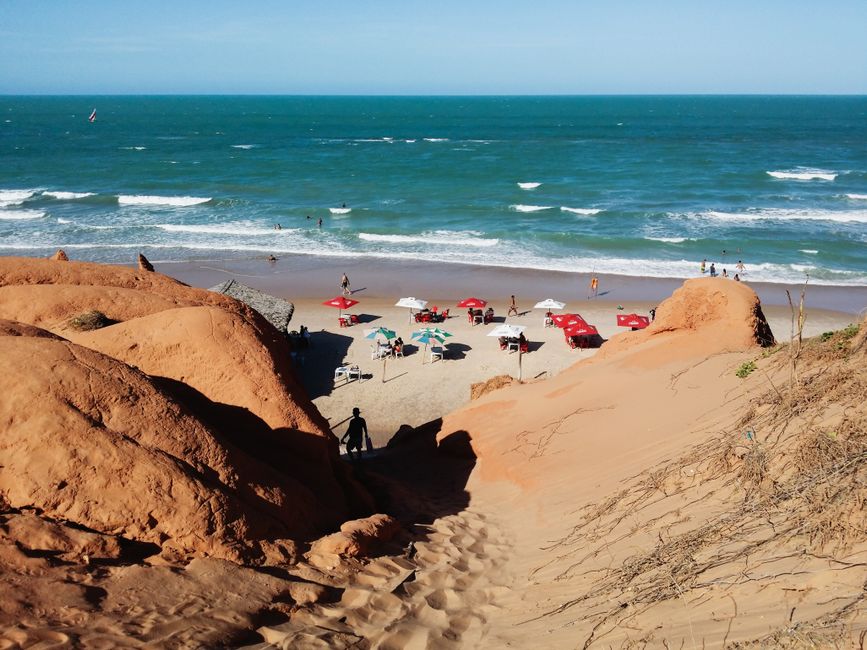
Here's the thing: Brazil sits in the Southern Hemisphere, so seasons run opposite to North America. What you might expect as "winter" in June is actually the dry season in many regions—and that's often when travel is most enjoyable. The country's massive size means you've got wildly different climates depending on where you are. The Amazon runs on completely different weather patterns than the beaches of Santa Catarina, and the Pantanal floods follow their own rhythm entirely.
Instead of thinking "summer vs. winter," start thinking in terms of dry season vs. wet season. This is the real game-changer for planning your trips across Brazil.
The Northeast: Sun, Carnival, and Perfect Timing

Peak Season: December to February
The Northeast is Brazil's Caribbean-style region, and honestly, it's hot year-round. But December through February is when you get that perfect sweet spot—warm without being scorching, and it's also when Carnival celebrations hit major cities like Salvador, Recife, and Olinda. If you're a first-timer thinking about experiencing Carnival beyond Rio, this is your window.
The beaches here are jaw-dropping. We're talking crystalline waters off the coast of Bahia, perfect for snorkeling the underwater treasures that beat Caribbean diving spots. The cultural immersion is real too—you'll experience authentic capoeira performances, taste fresh seafood at beachfront restaurants, and explore colonial architecture that tells centuries of stories.
Secondary Peak: September to November
If December feels too crowded or expensive, September through November offers nearly identical weather with fewer tourists. The water is still warm enough for swimming, and you'll find better prices on accommodations. This is also when local festivals start ramping up, giving you genuine cultural experiences rather than tourist-packed events.
The Amazon & Northern Region: Dry Season Rules
Best Time: June to November
The Amazon is a year-round destination, but let's be real—June through November is when you actually want to be there. This is the dry season, and it's when wildlife viewing peaks. The water levels drop, creating better access to wildlife, and the humidity is more manageable (still hot, but bearable). You'll see more pink river dolphins, jaguar sightings are more common, and jungle lodges have better trail access.
Adventure seekers should prioritize July through September for the absolute best conditions. That's when temperatures are comfortable for hiking, water activities are safest, and you won't be dealing with swollen rivers blocking jungle trails.
Wet Season Considerations: December to May
December through May means swollen rivers, more challenging travel conditions, and higher humidity levels. That said, some travelers actually prefer this period because wildlife viewing shifts—animals congregate near accessible water sources, and bird watching becomes spectacular. It's off-the-beaten-path territory, so prices drop significantly. Just go in knowing you'll need more flexibility with your itinerary.
Southeast Brazil: Year-Round Appeal with Perfect Windows
Rio de Janeiro & Coastal Areas: April to June and August to October
The Southeast deserves special attention because it's so popular. Rio has that iconic summer season (December-February), but honestly? April through June offers incredible weather without the peak tourist crowds or carnival chaos. The water's still warm enough for beach days, the city vibe is energetic without feeling overcrowded, and your money goes further.
August through October is another sweet spot. Spring weather means clear skies for those breathtaking landscapes everyone raves about—Sugarloaf Mountain, Christ the Redeemer, and the favela tours that show you the real Rio beyond postcard images. Plus, you avoid the height of summer heat.
Colonial Towns & Mountain Regions: May to August
If you're heading inland to historic Minas Gerais towns like Ouro Preto and Tiradentes, or exploring the mountain regions, May through August is peak season—and for good reason. The weather is mild, dry, and perfect for exploring colonial architecture and hiking through Atlantic Forest reserves. Winter (our winter, their winter) means cooler temps that make walking those cobblestone streets actually enjoyable.
São Paulo city can be visited year-round, but autumn (March-May) and spring (September-November) are when the street food scene really thrives, local festivals pop up, and you get optimal weather for exploring neighborhoods and gallery districts.
The South: Wine Country and Adventure Season
Peak Season: March to May and September to November
Southern Brazil—Santa Catarina, Rio Grande do Sul, and Paraná—hits its stride during spring and autumn. These months offer perfect temperatures for everything from wine tours through the vineyards to hiking and adventure activities. The Iguazu Falls look their best during these periods too, with strong water flow but manageable conditions for visiting.
March through May is harvest season for wine country, which means you can actually participate in vineyard activities and taste new releases. The weather is warm but not oppressively hot, and you'll see the landscape transitioning beautifully.
Summer Surfing: December to February
If you're a surfer or want to learn, December through February brings consistent swells to Santa Catarina's beaches. The water's warm, the energy is high, and countless local operators offer lessons for every skill level. The trade-off? Tourist crowds and higher prices. It's worth it if surfing is your priority.
The Pantanal Wetlands: Dry Season Wildlife Paradise
Prime Viewing: July to September
The Pantanal operates on its own schedule. Forget traditional seasons—here, dry season is everything. July through September is when water levels recede, concentrating wildlife into accessible areas. You'll see more jaguars, caimans, capybaras, and bird species than almost anywhere else on Earth. This is eco-tourism at its finest, without the crowds of the Amazon.
August is often considered peak season for the Pantanal. Book lodges and guides in advance because serious wildlife enthusiasts and photographers converge here when conditions are optimal.
Practical Tips for Timing Your Brazilian Adventure
Avoid These Periods
Carnival season (February-March) transforms the entire country—it's culturally incredible, but also pricey and chaotic if you're not specifically there for the celebrations. Book months ahead if you're interested; don't show up expecting spontaneous access.
Wet season in the Amazon (May-August, though timing varies) and peak summer heat in the Northeast (January-February) can be challenging for casual travelers.
Budget Travelers' Sweet Spots
Want that authentic Brazilian experience without peak-season prices? Target the shoulder seasons: May, September, and October across most regions. You'll dodge the worst crowds while still getting excellent weather. Hotels drop prices 20-30% compared to peak months, flights are cheaper, and you'll interact with more locals and fewer tour groups.
Multi-Region Planning
Planning an itinerary hitting multiple regions? Think about this sequence: Start in the South (March-May for wine tours and mild weather), move to the Southeast (April-June for Rio and historic towns), then head to the Northeast (August-October for beaches and culture), and finish in the Amazon or Pantanal (July-September for wildlife). This rough circuit actually works with natural season transitions.
Your 2026 Brazil Travel Timeline
March-May: Best overall for combining South and Southeast regions. Weather is beautiful, prices are reasonable, and you'll experience local festivals and cultural events.
June-August: Ideal for Amazon and Pantanal wildlife experiences, plus perfect weather in the South. Winter weather means cooler temps—great for hiking and outdoor activities.
September-October: Another sweet spot with spring weather spreading across most regions. Great for island hopping, hiking, and cultural immersion without extreme crowds.
December-February: Peak season with highest prices, but essential if you want authentic Carnival or summer beach culture. Expect crowds but incredible cultural experiences.
The Real Talk About Brazil's Weather
No matter when you visit, you're going to encounter something unexpected. Rain showers in supposedly dry seasons, humidity in "cool" months, or unpredictable tropical weather patterns. That's the jeito brasileiro—the Brazilian way of doing things includes embracing a little unpredictability.
The best time to visit Brazil is ultimately when you can go. Even during less-than-perfect seasonal windows, there's something magical happening somewhere in this country. The food is always incredible, the people are always welcoming, and the landscapes never stop being breathtaking.
Just plan with your specific interests in mind—wildlife viewing, beach culture, adventure sports, culinary experiences, or cultural immersion—and choose the season that aligns with what you want from your Brazilian adventure.
Start Planning Your Brazilian Journey Today
Now that you understand when each region truly shines, it's time to start researching which destinations speak to you. Are you dreaming of sipping caipirinhas on pristine beaches? Exploring colonial mountain towns? Wrestling with adventure sports? Diving into the Amazon or watching jaguars in the Pantanal?
Pick your must-see destinations, check this seasonal guide, and start booking during the off-season windows for better prices. Brazil is waiting for you—let's just make sure you arrive when conditions are perfect for the experience you're dreaming of.
What region of Brazil is calling to you? Drop your top destination in the comments, and let's discuss the perfect timing for your trip!
FAQ
What is the best time to visit the Amazon Rainforest in Brazil?
The best time to visit the Amazon is during the dry season from June to November, when water levels are lower and wildlife viewing is easier. During this period, you can navigate tributaries more effectively and spot animals more frequently along riverbanks. However, the wet season from December to May offers lush landscapes and unique experiences, though travel can be more challenging.
When should I plan a trip to Rio de Janeiro for the best weather?
The ideal time to visit Rio de Janeiro is during the austral spring from September to November, when temperatures are warm but not excessively hot, and humidity is lower. April to May is also excellent with pleasant weather and fewer crowds than the summer season. Avoid December to March if you're sensitive to heat, as this is Rio's hottest and most humid period.
What is the peak season for visiting Iguazu Falls?
The best time to visit Iguazu Falls is during the cooler, drier months from May to September, when water flow is moderate and visibility is excellent. However, if you prefer more powerful waterfalls, visit during the rainy season from November to March, when water volume reaches its peak. Both seasons offer spectacular views, but comfort and accessibility are superior during the dry months.
When is the perfect time to explore the beaches of Northeast Brazil?
The Northeast coast, including Bahia and Pernambuco, shines during the dry season from September to March, offering consistent sunshine and warm ocean temperatures. The region experiences less rainfall during these months, making it ideal for beach activities and water sports. December to January brings peak crowds and higher prices, so consider visiting in shoulder months like September or November for better value.
What is the best season to visit the Pantanal wetlands?
The dry season from July to September is ideal for wildlife viewing in the Pantanal, as animals concentrate around remaining water sources, making them easier to spot. December to March is the wet season, which transforms the landscape but can make access difficult due to flooding. May to June offers a good middle ground with receding waters and abundant wildlife still visible.


Comments
Post a Comment