Festa de São João vs Oktoberfest Brazil: Which Festival Wins 2026?
There's something magical about experiencing a festival in Brazil where the whole country seems to pause and celebrate together. If you're planning your 2026 travels and wondering which traditional Brazilian festival deserves your time—the beloved Festa de São João or Brazil's own take on Oktoberfest—you're about to discover that this isn't really a competition. Instead, it's about understanding what each celebration offers and which aligns with your travel style, timing, and what kind of cultural immersion you're after.
Both events are bucket-list worthy, but they couldn't be more different in spirit, timing, and the jeito brasileiro they represent. Let's break down what makes each special, so you can choose your adventure (or better yet, experience both).
Understanding Festa de São João: Brazil's Heartland Celebration
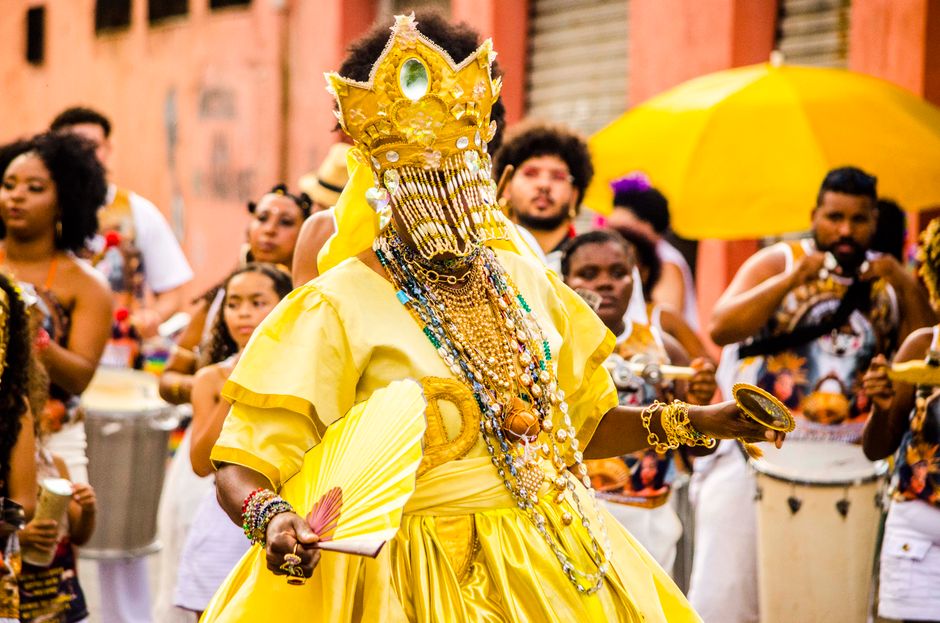
Festa de São João isn't just one party—it's a nationwide phenomenon that runs throughout June and early July, with the main celebrations peaking around June 23rd. This festival honors Saint John and has deep roots in Brazilian tradition, especially in the Northeast region where it originated centuries ago.
The Authentic Northeast Experience
If you want pure, unadulterated Brazilian culture, head to states like Bahia, Pernambuco, or Paraíba during São João season. Cities like Caruaru in Pernambuco become epicenters of folklore and tradition. You'll see people wearing checkered shirts, straw hats, and traditional costumes—this isn't performative; it's how Brazilians genuinely celebrate their heritage.
The atmosphere is electric yet intimate. Families set up street stalls serving traditional foods like corn-based dishes (pamonha and curau), grilled meat on sticks, and the essential drink—cachaça punch. Unlike the structured festival grounds you might expect, São João sprawls organically through neighborhoods, plazas, and open streets. It's communal and deeply connected to local identity.
The Cultural Soul of São João
What sets Festa de São João apart is its foundation in Brazilian folklore and rural traditions. The quadrilha—a square dance performed in pairs with theatrical storytelling—is quintessentially Brazilian. You'll witness forró music (that irresistible regional rhythm), bonfire gatherings, and the Bumba Meu Boi traditions, especially in Maranhão. These aren't performances staged for tourists; they're celebrations that have existed for generations.
The festival celebrates the agricultural calendar and Catholic traditions simultaneously, creating something uniquely Brazilian. It's where modernity meets ancestral customs in the most natural way possible.
Brazil's Oktoberfest Scene: Modern Import with Local Flavor
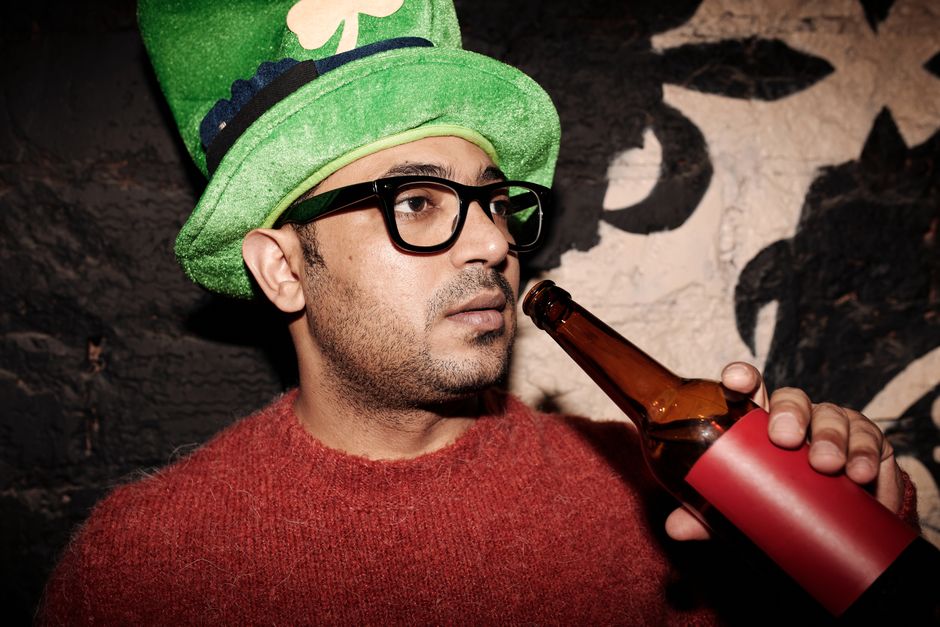
Brazil's Oktoberfest celebrations, particularly the famous ones in Southern Brazil (especially in Santa Catarina and Rio Grande do Sul), represent something entirely different. These festivals primarily run in September and October and were introduced by German immigrants who settled in Southern Brazil generations ago.
Where Tradition Meets Beer Culture
The most famous Brazilian Oktoberfest happens in Blumenau, Santa Catarina, drawing hundreds of thousands of visitors annually. Unlike Germany's original, Brazil's version incorporates local elements—you'll find German-style beer gardens alongside Brazilian snacks, and the traditional dirndls and lederhosen mix with more contemporary festival fashion.
These celebrations are well-organized, with designated festival grounds, multiple beer tents, live bands, and a more structured schedule. If you prefer clear infrastructure, defined stages, and planned entertainment, this works beautifully. The celebrations maintain German heritage while embracing Brazilian hospitality—it's a fascinating cultural fusion.
The Social and Regional Significance
For Southern Brazilians, Oktoberfest is about preserving immigrant heritage and regional pride. It's less about spiritual or agricultural significance and more about community celebration and regional identity. The crowds tend to be younger, the atmosphere more party-focused, and the experience more organized than the spontaneous, village-square energy of São João.
Timing and Logistics: Planning Your Festival Experience
Festa de São João Scheduling
June and early July across Brazil, with the main celebrations around June 23rd. Each region has its own variations and dates, so research your specific destination. The Northeast celebrates longest and most intensely, but you'll find São João festivities in cities throughout Brazil.
Travel logistics: expect crowded buses and trains during peak dates. Book accommodation weeks in advance, especially in smaller Northeast towns. Public transportation will be packed, but the chaos is part of the authentic experience.
Oktoberfest Timing and Planning
September through October, with Blumenau's main festival typically running 16-17 days in early October. These festivals have structured schedules published months in advance, making planning easier. Hotel bookings open earlier and follow predictable patterns.
Travel logistics: Southern Brazil is generally easier to navigate with better infrastructure. You can fly into major cities like Florianópolis or Curitiba and travel to festival grounds with organized transportation options.
The Food and Drink Factor: Completely Different Vibes
São João's Gastronomic Identity
Expect corn-based everything: pamonha (corn wrapped in husks), curau (corn pudding), bolo de milho (cornbread), and mungunzá (corn porridge). You'll find grilled meats, traditional sweets, and the essential cachaça-based drinks. Street vendors sell these foods from carts, and families gather around bonfires sharing meals. It's intimate, affordable, and authentically Brazilian.
The culinary experience is tied to the agricultural harvest and regional cooking methods passed down through generations.
Oktoberfest's Gastronomic Scene
Think bratwurst, schnitzel, pretzels, and German beers on tap—lots of them. While you'll find these alongside Brazilian options like churrasco and local snacks, the focus is decidedly on German-Brazilian fusion cuisine. The food scene is more commercial, with established vendors operating professional booths rather than family stands.
The alcohol culture is central: beer is the main event, while São João's celebration centers on cachaça as one element among many social activities.
Cultural Immersion Level: What Travelers Actually Experience
Festa de São João: Maximum Authenticity
You're entering a celebration that's been happening in essentially the same way for centuries. The traditions matter more than spectacle. You'll interact with locals in their genuine celebration mode, learn about Brazilian folklore, and experience how rural traditions persist in contemporary Brazil.
This is cultural immersion at its deepest—messy, crowded, sometimes chaotic, but absolutely genuine. You're not a spectator; you're a participant welcomed into a community celebration.
Oktoberfest: Structured Experience with Character
You're attending a well-curated event celebrating heritage. It's more accessible for first-time festival-goers—clearer logistics, established food venues, predictable schedules. You experience regional German-Brazilian culture through an organized lens.
It's still authentic to its purpose, but it's performance and celebration rather than ancestral tradition. Nothing wrong with that—sometimes knowing where things are and having organized fun is exactly what you need.
The Verdict: Which One Should You Choose?
Choose Festa de São João if you want:
- Raw, unfiltered Brazilian culture and traditions
- Interaction with locals in organic settings
- Experience of folklore, regional music, and ancestral practices
- A more adventurous, less structured travel experience
- Budget-friendly celebrations with street food and community gatherings
Choose Brazil's Oktoberfest if you want:
- Well-organized festival infrastructure
- Clear programming and scheduled events
- Exploration of Southern Brazil's immigrant heritage
- Diverse beer selection and German-Brazilian cuisine
- Younger crowd and party-focused atmosphere
Honest answer? Neither choice is wrong. São João offers spiritual and cultural connection to Brazil's roots; Oktoberfest offers fun, organization, and regional heritage. Your 2026 travel calendar has room for both if you're willing to visit twice or plan strategically.
Practical Tips for Either Festival
For São João Travelers
- Book accommodation 4-6 weeks in advance in Northeast towns
- Wear comfortable walking shoes—you'll explore on foot through crowded streets
- Try local foods from street vendors; they're safe and delicious
- Attend in smaller towns for authentic experience over massive city celebrations
- Learn basic Portuguese phrases; English is less common in rural Northeast
- Bring cash for street vendors and small establishments
For Oktoberfest Travelers
- Book hotels immediately once dates are announced
- Plan festival ground visits during off-peak hours (weekday afternoons)
- Try both German beers and Brazilian cachacinha variations
- Dress appropriately—the Oktoberfest costume is optional but fun
- Use organized transportation services between your accommodation and festival grounds
- Set a budget for beer; prices are higher than regular bars
Getting There: Regional Considerations
For São João, flying into Salvador, Bahia or Recife, Pernambuco gives you access to the heartland celebrations. From there, domestic buses connect you to festival epicenters like Caruaru. Expect slow travel and packed buses—it's part of the experience.
For Oktoberfest, fly into Florianópolis, Porto Alegre, or São Paulo, then travel to Blumenau or other Southern cities. Infrastructure is better; buses are more comfortable and frequent.
The Bottom Line for Your 2026 Itinerary
Both festivals deserve spots on your Brazilian bucket list, but they satisfy different travel desires. Festa de São João feeds your soul with authentic cultural traditions—the kind that reminds you why traveling matters. Brazil's Oktoberfest feeds your need for fun, community, and accessible adventure with a regional twist.
If you're visiting Brazil for the first time and want to understand the country's soul, start with São João. If you're returning and want to explore specific regional culture while enjoying excellent organization and food, Oktoberfest delivers. Better yet? Plan a Brazilian adventure that hits both.
Your move: Are you a São João adventurer seeking tradition and folklore, or an Oktoberfest explorer who wants structured celebration and regional heritage? Tell us which festival speaks to your travel style in the comments—and share your own festival experiences if you've already experienced either. Your insights help fellow travelers make their 2026 plans!
FAQ
What are the main differences between São João Festival and Oktoberfest Brazil?
São João Festival is a traditional Brazilian celebration rooted in Catholic saints' days with typical foods like corn, peanuts, and caramelized treats, while Oktoberfest Brazil is a modern adaptation of the German beer festival featuring bavarian food and beer culture. São João emphasizes Brazilian folk traditions with quadrilhas, bonfires, and regional music, whereas Oktoberfest focuses on German heritage with beer gardens and bavarian cuisine. Both festivals are significant events in the Brazilian calendar, but they represent different cultural influences and traditions.
Which festival attracts more tourists to Brazil in 2026?
Oktoberfest Brazil, particularly the event held in Blumenau, Santa Catarina, typically attracts larger numbers of international tourists due to its association with beer culture and worldwide German heritage appeal. However, São João Festival reaches more Brazilians nationwide with celebrations in multiple cities and rural areas, making it culturally more significant domestically. The choice depends on whether you're measuring international tourist numbers or overall cultural impact and attendance across Brazil.
What traditional Brazilian festival foods should visitors expect at São João?
São João Festival features typical Brazilian comfort foods including corn-based dishes like canjica and polenta, sweet treats such as pé de moleque and paçoca made with peanuts, and caramelized delicacies like broinhas and bolo de milho. You'll also find savory options like caldo verde and roasted corn on the cob, along with traditional beverages like mulled wine and fruit juices. These foods represent the heart of Brazilian rural culinary traditions passed down through generations.
How does Oktoberfest Brazil maintain authentic German traditions while adapting to Brazilian culture?
Oktoberfest Brazil incorporates genuine bavarian beer styles, traditional German food preparation, and authentic lederhosen costumes while integrating Brazilian music, Portuguese language, and local ingredients into the celebration. The festival maintains strict beer quality standards imported from Germany while featuring Brazilian samba and forró music alongside traditional German polka bands. This fusion creates a unique experience that respects German heritage while celebrating Brazilian identity and hospitality.
Which festival offers better value and accessibility for Brazilian families planning to visit in 2026?
São João Festival is generally more accessible and affordable for Brazilian families since it's celebrated throughout the country in smaller cities with free or low-cost events, traditional foods, and community-organized activities requiring minimal expenses. Oktoberfest Brazil, concentrated primarily in Blumenau, involves higher costs for accommodation, beer, and bavarian meals, making it more suitable for tourists with larger budgets. For budget-conscious families seeking authentic Brazilian cultural experiences, São João provides better accessibility across multiple regions and price points.


Comments
Post a Comment